
You walk into the room and find yesterday’s hay pile untouched. Hay is supposed to be a rabbit’s favorite food, so when it sits there ignored, something is off. That sudden shift in rabbit behavior is one of the most common concerns I hear about from rabbit owners, and it is rarely random. This guide breaks down the real causes, the fixes that actually work, and the diet mistakes that trigger this problem in the first place.
What Counts as Normal Rabbit Behavior Around Hay
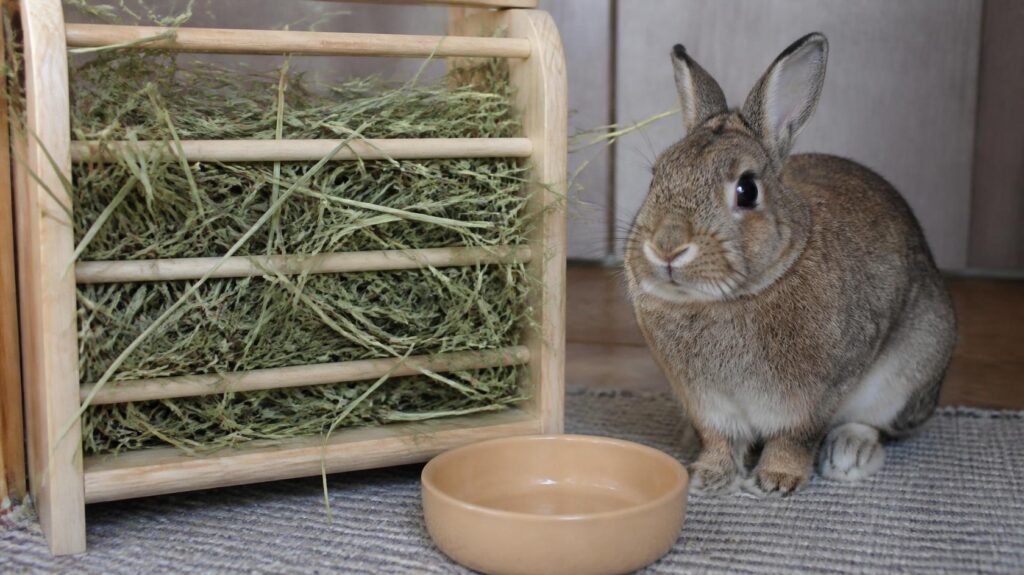
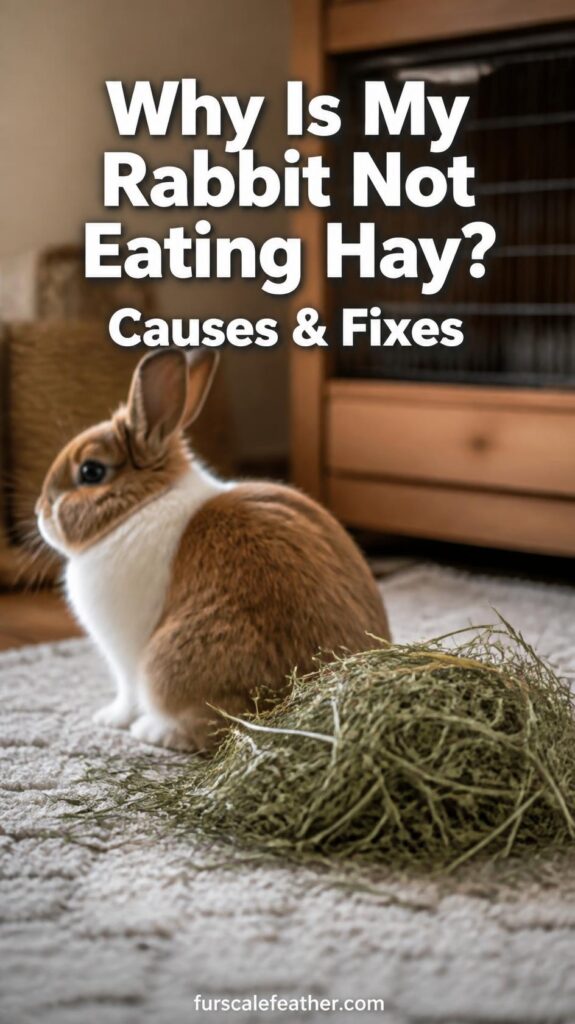
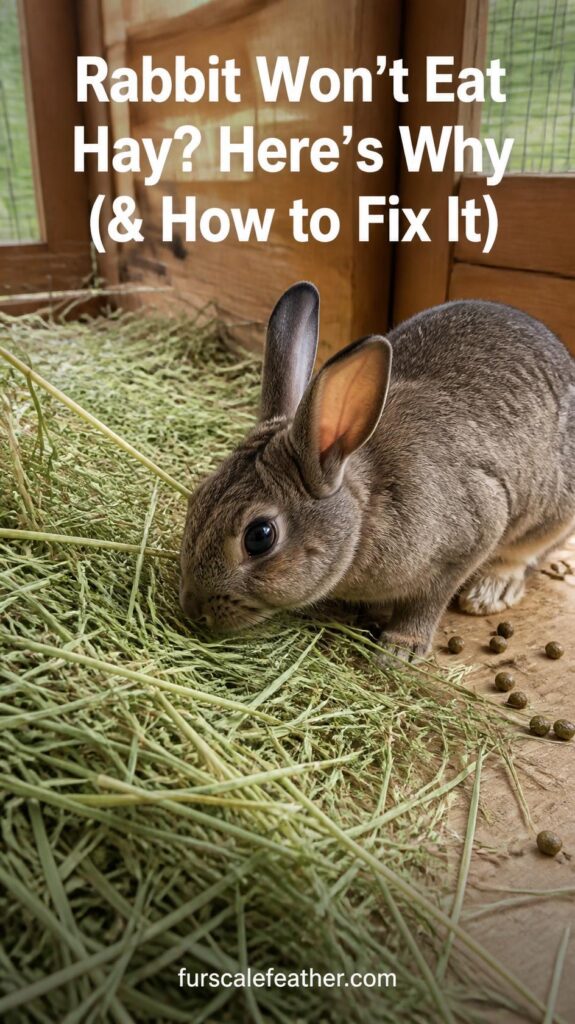
A healthy rabbit should be eating hay almost constantly throughout the day. Hay isn’t a side dish. It should make up around 80 percent of a rabbit’s diet, with pellets and vegetables filling the rest. Normal rabbit behavior looks like grazing in short bursts every hour or two, leaving small piles of round, dry droppings scattered near the hay pile, and showing curiosity when fresh hay is added to the cage.
If a rabbit skips a single meal of pellets, that’s usually not alarming. If it stops touching hay for more than half a day, that’s a signal worth taking seriously, because a rabbit’s digestive system depends on constant fiber intake to keep functioning.
Why Rabbits Stop Eating Hay: The Main Causes
Dental Problems and Pain
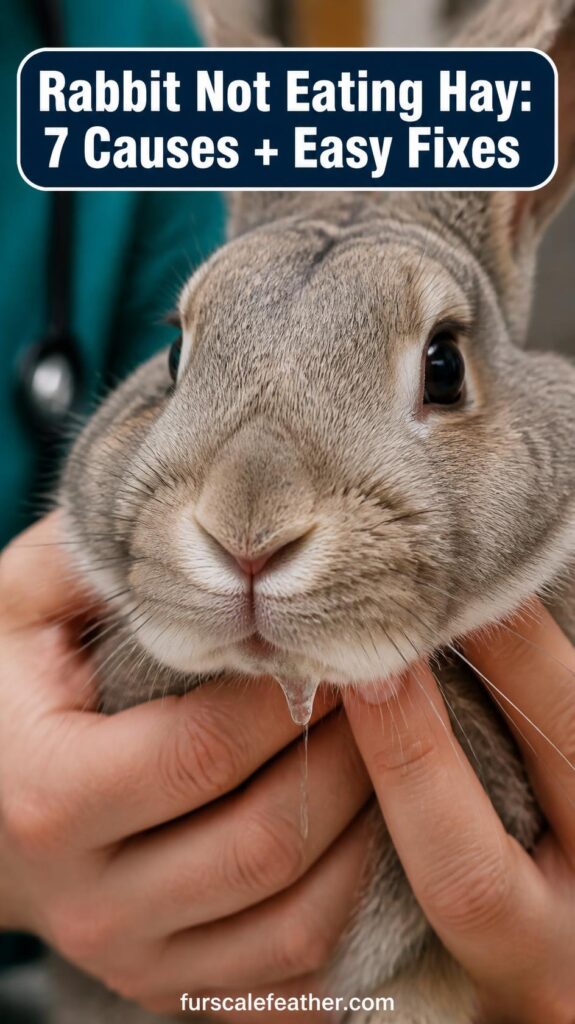
Rabbit teeth grow continuously, and hay is what wears them down naturally. When teeth become overgrown or develop sharp points, chewing hay turns painful, so the rabbit avoids it and reaches for softer pellets instead. Watch for drooling, dropped food, or a rabbit that chews at odd angles.
Stress and Environmental Changes
A new cage location, a recent move, a loud appliance, or even a new pet in the house can be enough to make a rabbit stop eating for a day or two. Rabbits are prey animals, and their first response to feeling unsafe is often to stop eating rather than to hide.
Too Many Treats or Pellets
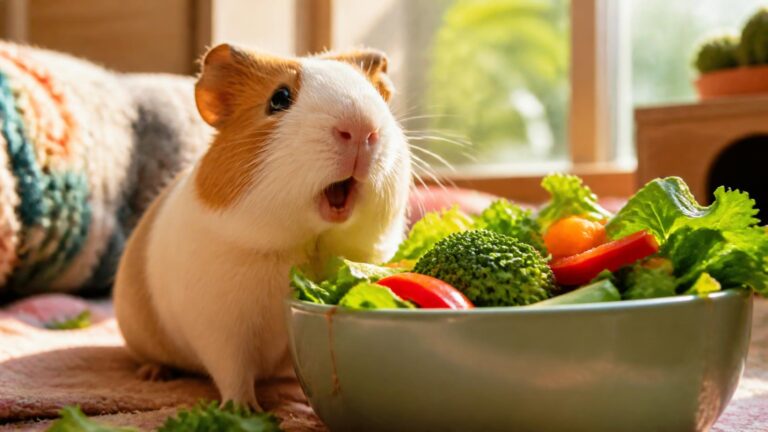
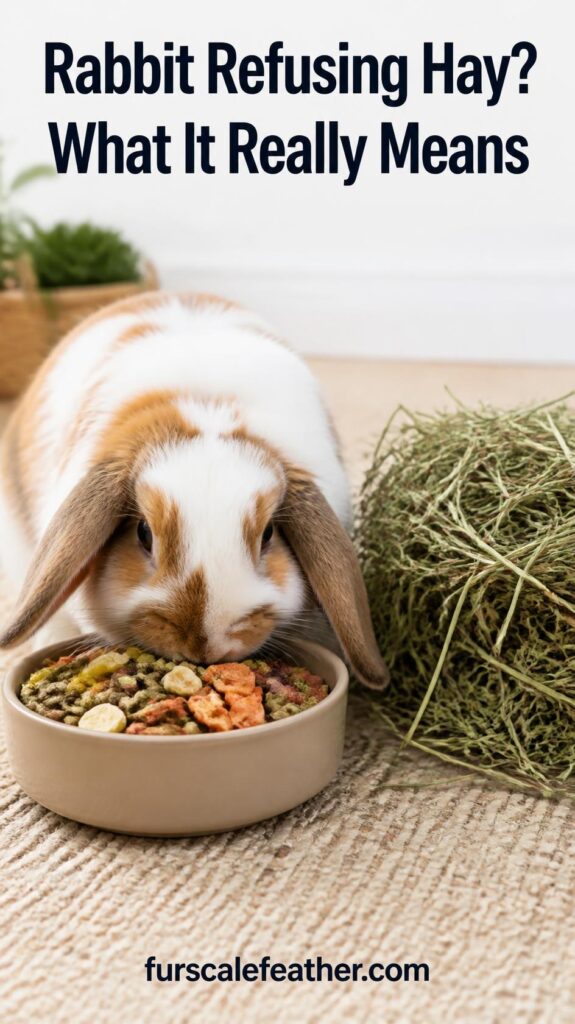
This is one of the most common rabbit diet mistakes I see. If a rabbit fills up on pellets, yogurt drops, or dried fruit, it has little appetite left for hay, even though hay is the part of the diet doing the real work for its gut and teeth.
Old or Low-Quality Hay
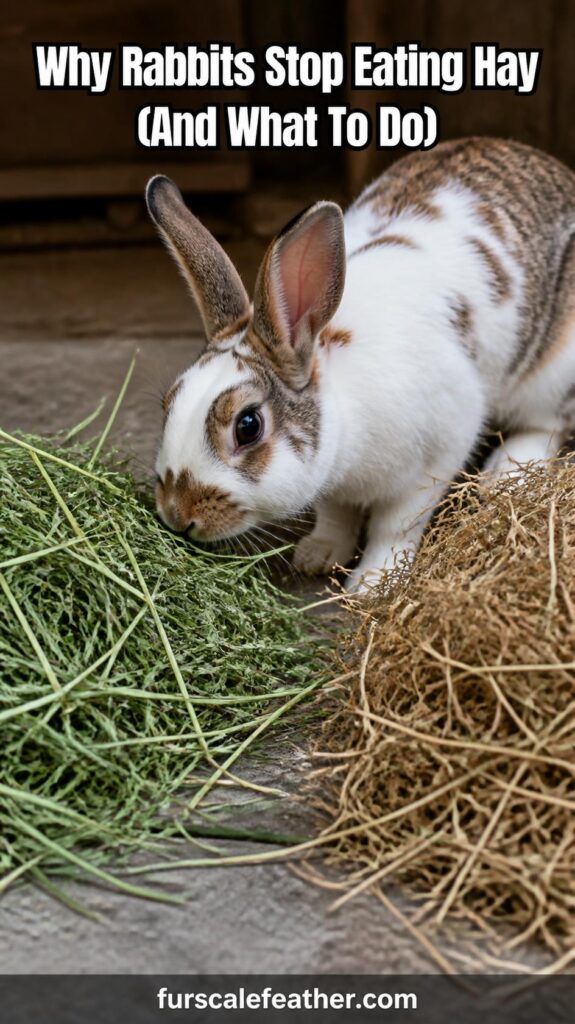
Hay that has gone stale, damp, or dusty loses its smell and appeal fast. Rabbits are picky about freshness in a way that surprises a lot of new owners. Hay stored in a plastic bag without airflow can mold within a couple of weeks, especially in humid climates.
Gut Slowdown (GI Stasis)
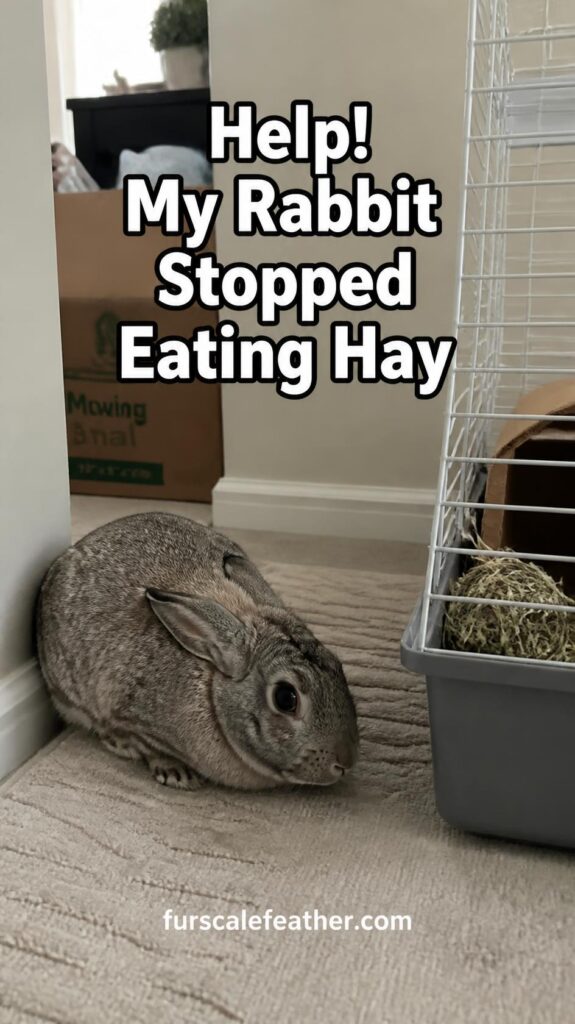
This is the one that needs the fastest response. When a rabbit’s digestive tract slows down or stalls, it stops eating almost entirely, including hay, and may hunch in a ball with little movement. This is a medical emergency, not something to wait out at home.
Beginner Rabbit Owner Mistakes That Make Hay Refusal Worse
New owners often make the problem worse without realizing it. These are the beginner rabbit owner mistakes I see most often when someone reaches out for help:
- Offering more pellets or treats to “make sure” the rabbit is eating something, which trains it to hold out for the tastier option
- Switching hay brands repeatedly in the same week, which confuses a picky eater even further
- Keeping hay in a sealed bag instead of a ventilated container, which speeds up mold and staleness
- Placing the hay rack too close to the litter box, which some rabbits avoid out of instinct
- Assuming a rabbit that skips hay for a full day is “just being fussy” instead of checking for pain or illness
A reader named Priya emailed me after her rabbit, Biscuit, stopped touching his hay for three days. Her first move, like a lot of first-time owners, was to add more pellets and a handful of dried banana chips to get calories into him. That backfired. Biscuit filled up on the treats and had even less interest in hay by day four. Once she pulled the pellets back to a measured quarter cup a day and offered three different hay types side by side, he was back to grazing normally within 48 hours. The lesson she took from it, and one I pass along constantly, is that adding more of the wrong food rarely solves a hay problem. It usually extends it.
This kind of trial and error is exactly why rabbit care for first time owners can feel harder than it looks from the outside. Hay refusal seems like a small issue, but it touches diet, environment, and health all at once.
How to Get Your Rabbit Eating Hay Again
If your rabbit has gone more than 12 hours without touching hay, work through these steps in order.
- Check the mouth and jaw for pain signs. Look for drooling, food falling from the mouth, or reluctance to chew. Any of these point toward a dental issue that needs a vet, not a home fix.
- Pull back pellets and treats for 24 hours. Offer only a small, measured portion, around a quarter cup for an average-sized rabbit, so hunger pushes the rabbit back toward hay.
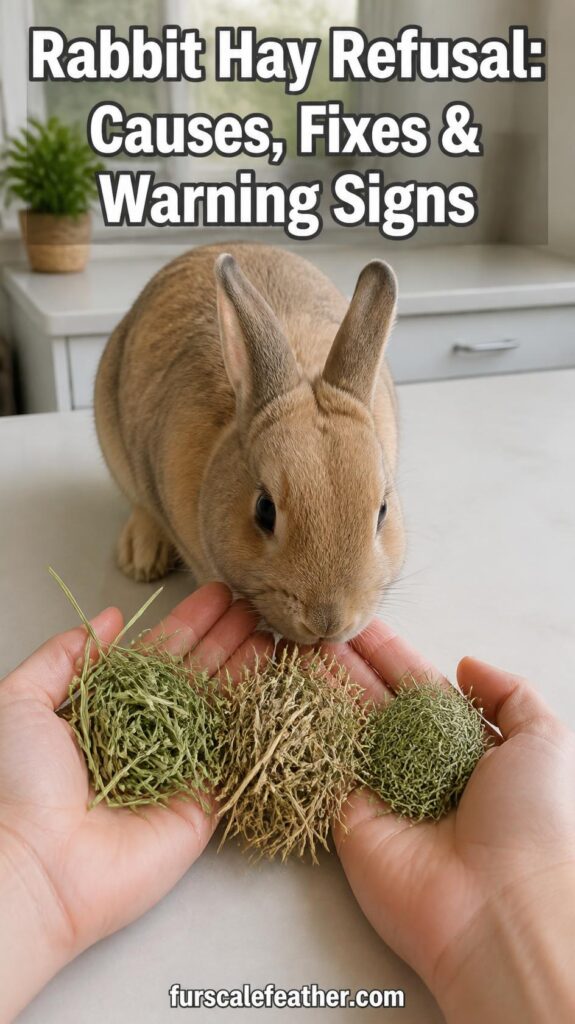
- Offer two or three hay types at once. Timothy, orchard grass, and meadow hay all smell and taste different. Side-by-side testing shows a clear preference within a few hours in most cases.
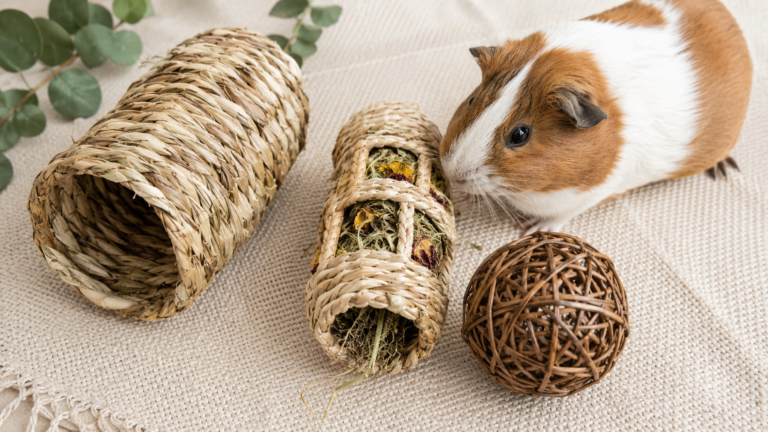
- Change how the hay is presented. Some rabbits prefer a loose pile on the floor over a hanging rack. Others like hay stuffed into a cardboard tube or box for foraging.
- Check freshness. Fresh hay smells sweet and grassy, not musty or dusty. Replace anything older than six to eight weeks or stored without airflow.
- Reduce stress triggers. Move the cage away from loud appliances, keep other pets at a distance during meals, and stick to a consistent feeding schedule.
- Track droppings and energy for the next 24 hours. Small, round, plentiful droppings and normal movement are good signs. Fewer or smaller droppings, or a hunched posture, mean it’s time to call the vet.
Best Hay and Feeders for Picky Rabbits
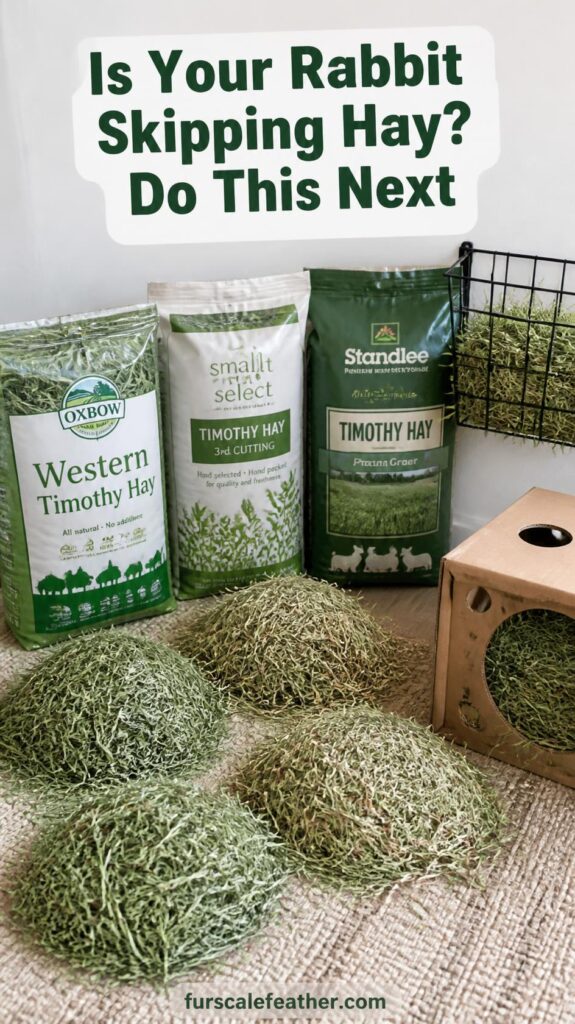
I have not personally tested every product listed here, since I don’t keep a rabbit at home myself. What follows is based on user reviews, feedback from rabbit-focused retailers, and a field test from a rescue I partner with for product testing. Riverbend Rabbit Rescue ran a two-week trial with 14 rabbits, switching hay brands every three days and logging how quickly each rabbit approached the new hay and how much was left uneaten after 24 hours.
Small Pet Select Second-Cut Timothy Hay Pros: Farm-direct freshness, soft texture that suits picky eaters, strong grassy smell that rabbits responded to fastest in the rescue trial, with 12 of 14 rabbits eating within the first hour Cons: Pricier per pound than grocery-store hay, ships in large bags that need proper storage
Oxbow Western Timothy Hay Pros: Widely available, consistent quality bag to bag, good stalk-to-leaf ratio for dental wear Cons: Coarser texture that a few rescue rabbits with dental sensitivity avoided at first
Kaytee Timothy Hay Pros: Budget-friendly, easy to find in pet stores Cons: Shorter shelf life once opened, more visible dust in several bags reviewed by users online, which can turn off sensitive noses
Winner: Small Pet Select Second-Cut Timothy Hay. It had the fastest approach time in the rescue trial and the fewest complaints about dust or staleness in user reviews, which matters most when you’re trying to win back a picky eater.
For presentation, a simple wire hay rack works for most rabbits, but for genuinely stubborn eaters, a foraging box that hides hay under a layer of shredded paper tends to spark more interest than a rack alone, according to feedback from the same rescue.
When to Call the Vet
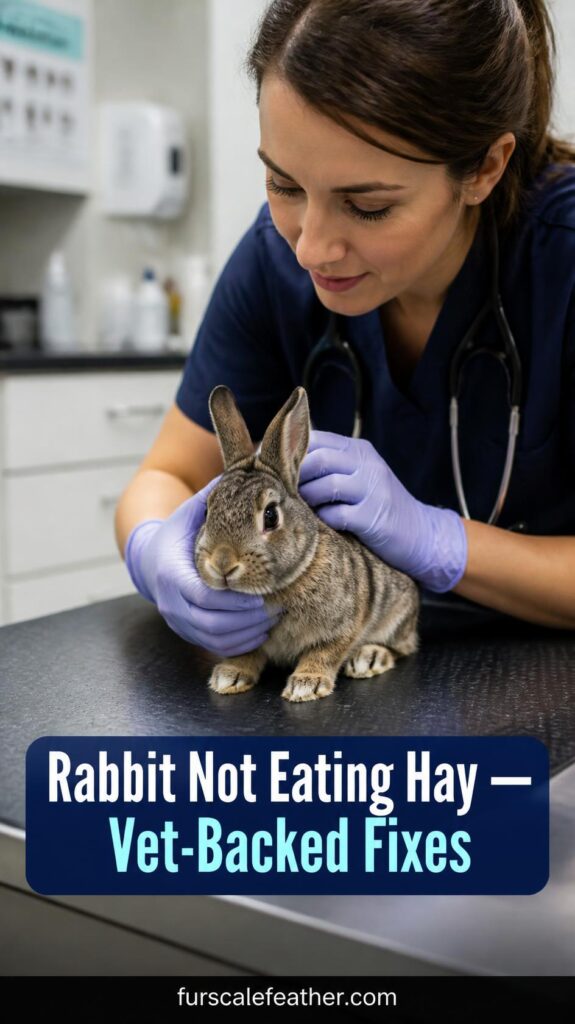
A rabbit that goes more than 24 hours without eating hay, pellets, or vegetables needs a same-day vet visit. This isn’t a wait-and-see situation. Rabbits can develop GI stasis quickly, and it can become life-threatening within a day or two if untreated. Watch for a hunched posture, grinding teeth, a bloated belly, or a sharp drop in droppings.
I’m not a veterinarian, and nothing here should replace a professional exam. If you’re seeing any of these signs, contact your vet or an emergency exotic animal clinic right away. The House Rabbit Society and VCA Animal Hospitals both publish detailed, vet-reviewed guides on GI stasis symptoms that are worth bookmarking before you need them.
Questions People Usually Ask
How long can a rabbit go without eating hay before it’s an emergency? Beyond 12 hours, start troubleshooting. Beyond 24 hours with no hay, pellets, or greens, call a vet the same day.
Can switching hay brands fix picky eating? Often, yes. Offering two or three types side by side is one of the fastest ways to find out if freshness or flavor is the real issue.
Is it normal for rabbits to prefer pellets over hay? It’s common, but it’s not ideal. Pellets are calorie-dense and lack the fiber rabbits need, so preference for pellets over hay usually points to overfeeding treats rather than a true taste preference.
What if my rabbit eats some hay but not much? Reduced hay intake still counts as a warning sign. Check freshness first, then rule out dental pain, since a rabbit in early tooth pain will often nibble small amounts rather than stop completely.
Does the type of hay matter for dental health? Yes. Longer-stemmed hays like timothy or orchard grass require more chewing than short, chopped hay, which wears teeth down more evenly over time.
The Bottom Line
Hay refusal is almost never random, and it’s rarely something to wait out. Start by ruling out pain and stress, cut back on pellets and treats, and offer a couple of fresh hay options side by side before assuming the worst. If nothing changes within a day, treat it as a reason to call the vet rather than a reason to worry quietly. Getting this right early is one of the simplest ways to avoid the bigger, more expensive problems that come from ignoring rabbit diet mistakes for too long.
Disclosure: I do not personally own a rabbit, so all anecdotes above are labeled and sourced from readers or a partner rescue’s field testing rather than personal ownership. I have not personally tested every hay product mentioned. Recommendations are based on that rescue’s field trial and aggregated user reviews. This post contains no paid sponsorships at this time.