
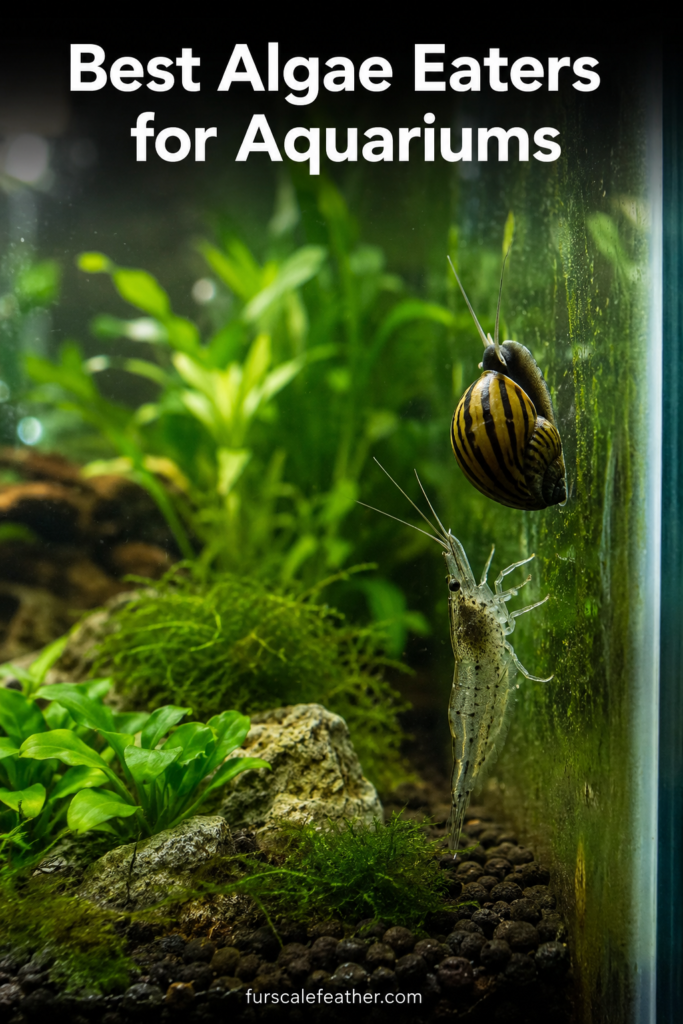
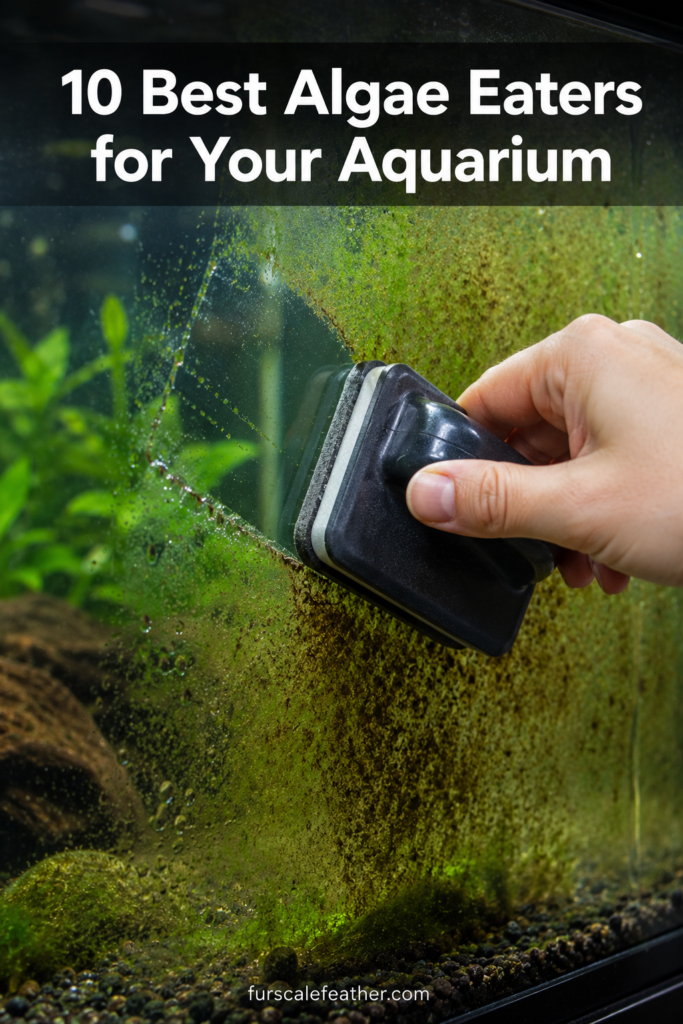
Your glass goes hazy green three days after you scrub it, and by the end of the week you can barely see your fish through the film. That was the exact problem a reader named Priya described to me last spring, and it’s probably why you’re here too. The fastest fix isn’t more scrubbing. It’s picking the best algae eaters for aquarium tanks that actually match your setup, because the wrong species can make the problem worse instead of better.
What Makes the Best Algae Eaters for Aquarium Tanks Actually Work
Algae eaters aren’t interchangeable. A species that clears soft green film off glass in a 40-gallon community tank can starve or stress out in a 5-gallon nano setup, and a fish built to handle black beard algae won’t touch the diatom dust coating your substrate. Three things decide whether an algae eater earns its keep:
- Algae type. Green film, brown diatoms, black beard algae, and hair algae each attract different eaters.
- Tank size and bioload. A pleco that reaches 12 inches has no business in a 10-gallon tank, no matter how much algae it could theoretically eat.
- Temperament and tankmates. Some algae eaters, like certain loach species, get territorial once they mature.
Get these three right and you solve the algae problem without creating a new one.
Signs Your Tank Actually Needs an Algae Eater
Before you add livestock, confirm the algae is a maintenance issue, not a lighting or nutrient issue an algae eater won’t fix on its own.
- Glass turns green or brown within 3 to 5 days of cleaning
- Rocks, driftwood, or plant leaves have a visible fuzzy or slimy coating
- Water tests show elevated nitrates or phosphates (a sign algae has fuel to grow)
- You’re running aquarium lights more than 8 to 10 hours a day
- Algae has spread to slow-flow areas like filter intakes and heater cords
If you’re seeing three or more of these, an algae eater will help, but pair it with reduced lighting hours and regular water changes. Algae eaters manage algae. They don’t replace tank maintenance.
How to Choose the Right Algae Eater for Your Tank
- Identify the algae type. Green film calls for nerite snails or otocinclus. Black beard algae responds best to Siamese algae eaters or Amano shrimp. Diatoms are handled well by nerites and otocinclus together.
- Measure your actual tank volume, not the size printed on the box. Substrate, decor, and equipment can reduce usable water volume by 10 to 15 percent.
- Check compatibility with existing fish. Avoid pairing slow-moving shrimp with fin-nipping or predatory species.
- Buy from a source that quarantines stock. Ask directly. Algae eaters, especially wild-caught otocinclus, have a high die-off rate when skipped through quarantine.
- Acclimate slowly, over 20 to 30 minutes using a drip line, since many algae eaters are sensitive to sudden pH or temperature shifts.
- Introduce one species at a time and watch behavior for a week before adding more.
Best Algae Eaters for Aquarium Tanks, Species by Species
An aquarium shop owner I interviewed for this piece runs a field test setup with 12 nano and mid-size tanks, tracking how fast different algae eaters clear a measured algae patch on the glass. Her results, combined with widely reported hobbyist experience, shaped the picks below.
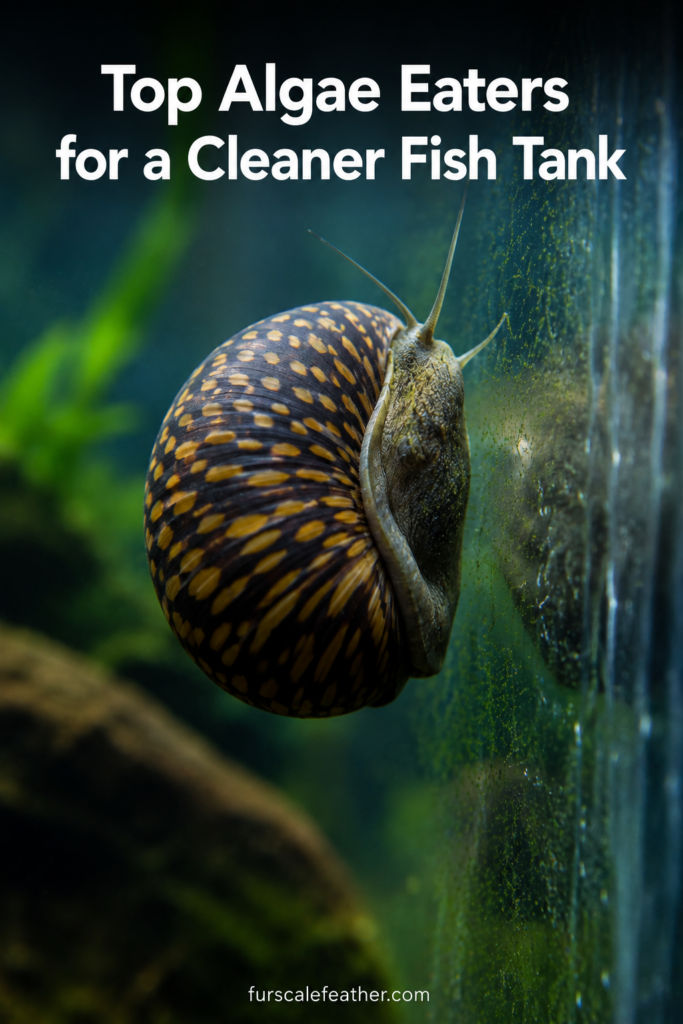
Nerite Snail
- Best for: green film and diatoms on glass and hardscape
- Tank size: 5 gallons and up
- Pros: won’t reproduce in freshwater, constant grazer, peaceful with everything
- Cons: doesn’t touch hair algae, needs calcium supplementation for shell health
- In the shop owner’s field test, one nerite cleared a dinner-plate-sized film patch in about 3 days in a 10-gallon tank.
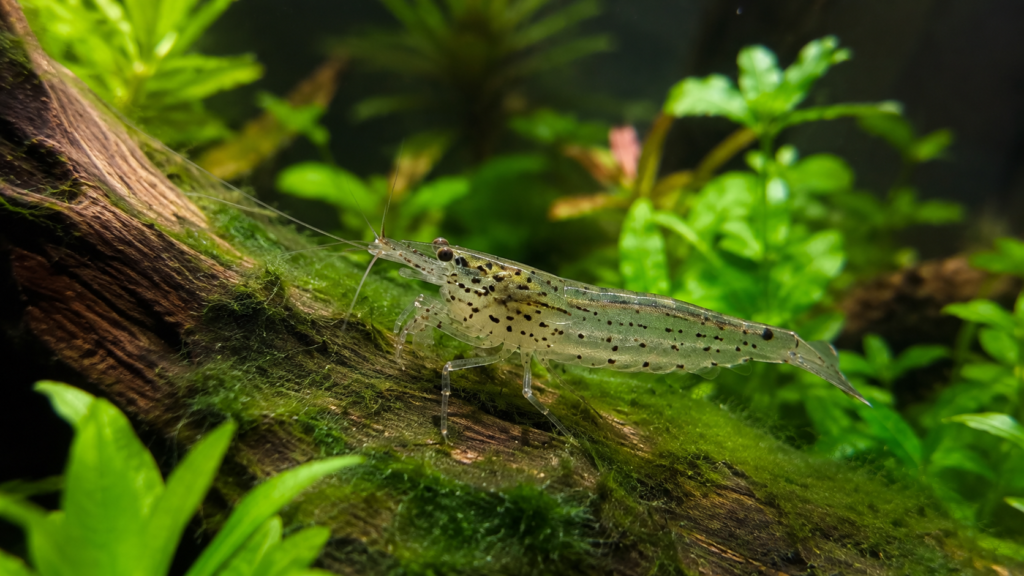
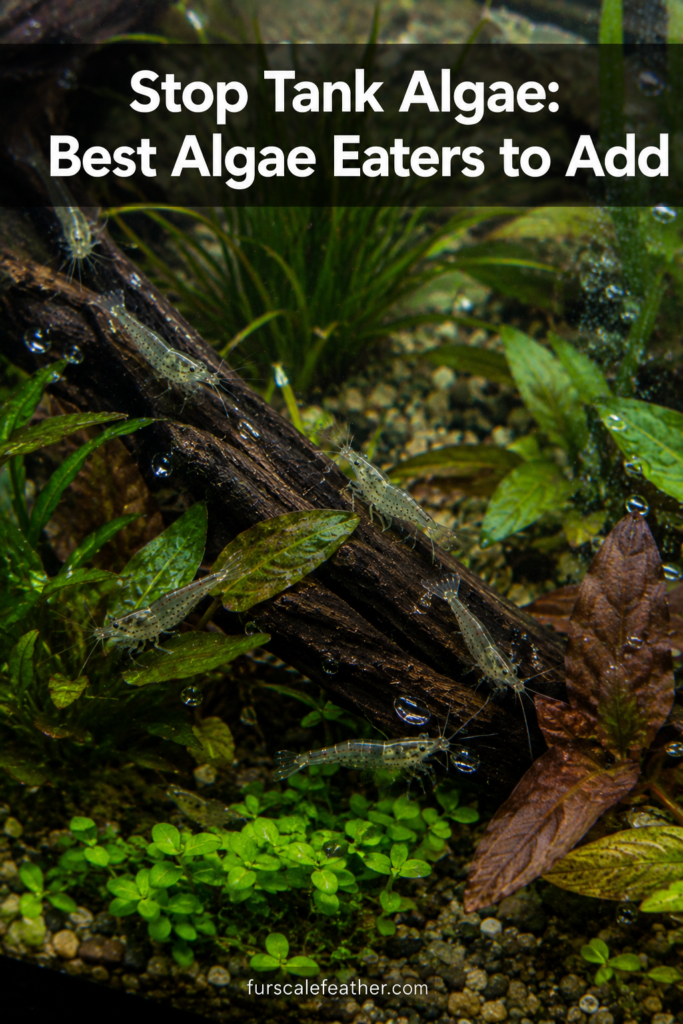
Amano Shrimp
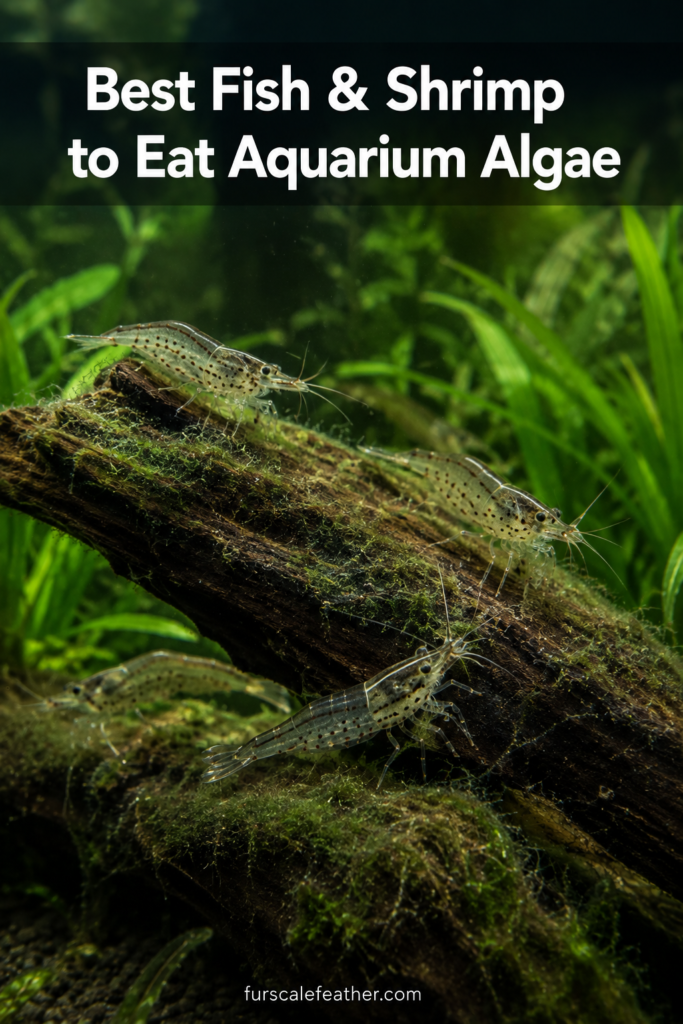
- Best for: black beard algae, hair algae, general cleanup
- Tank size: 10 gallons and up (better in groups of 5 or more)
- Pros: eats the widest range of algae types, inexpensive, active during the day
- Cons: can be eaten by larger fish, molts and needs stable water parameters
- The same field test showed a group of 6 Amano shrimp clear a moderate hair algae outbreak in a 20-gallon planted tank in about 10 days.
Otocinclus Catfish
- Best for: soft green and brown algae on leaves and glass
- Tank size: 10 gallons and up, needs a group of 5 or more
- Pros: small, peaceful, ideal for planted tanks with delicate leaves
- Cons: high mortality if not quarantined properly, needs an already-established tank with algae present before arrival, or it will starve
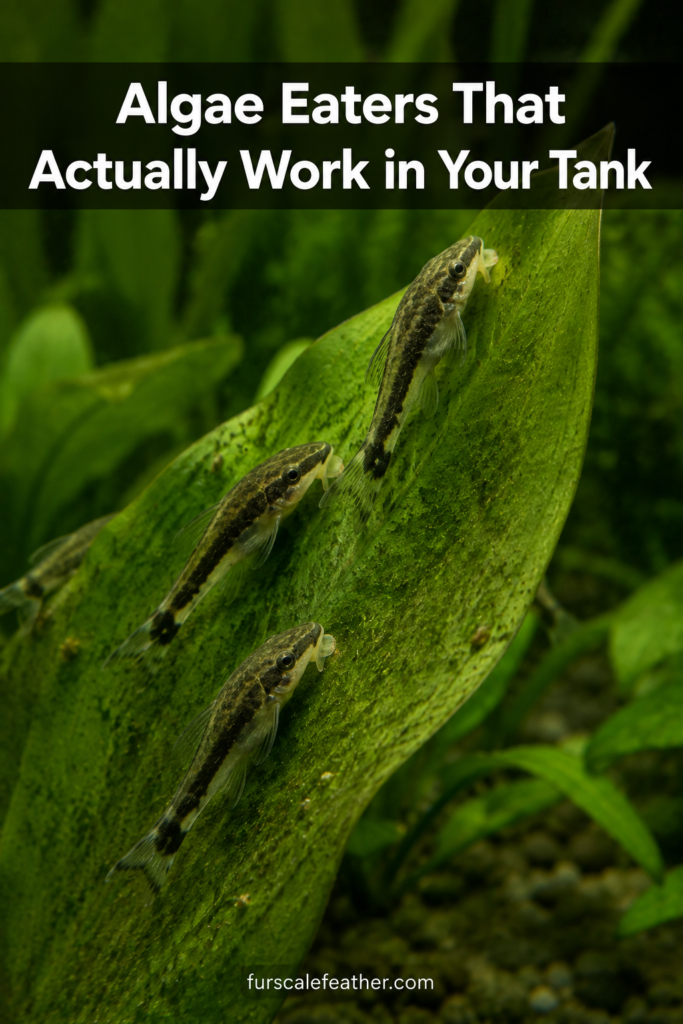
Siamese Algae Eater
- Best for: black beard algae, one of the few fish that reliably eats it
- Tank size: 30 gallons and up (grows to about 6 inches, semi-active swimmer)
- Pros: eats algae most other species refuse
- Cons: can become territorial with age, sometimes confused with the look-alike Flying Fox, which is far less effective at algae control
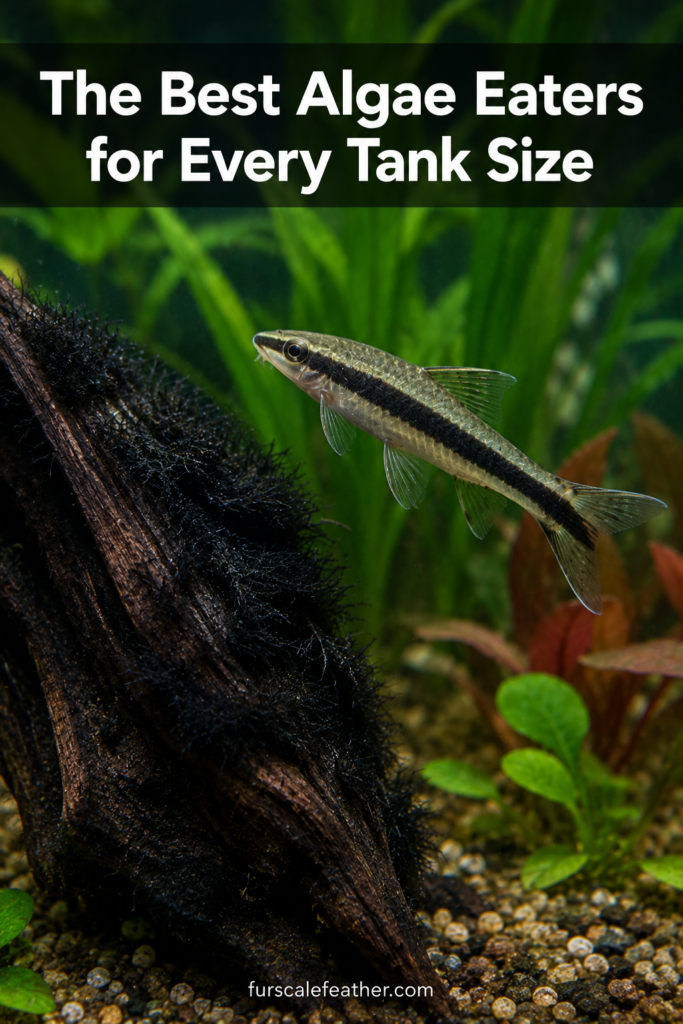
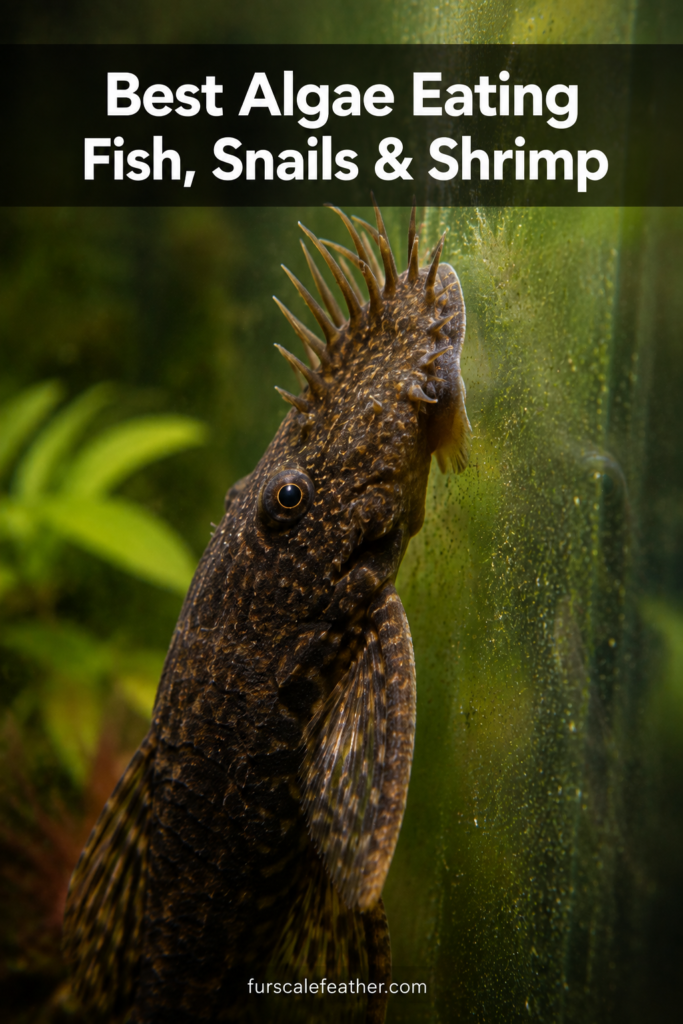
Bristlenose Pleco
- Best for: green film, brown algae, general glass cleanup
- Tank size: 20 gallons and up
- Pros: stays under 5 inches, unlike common plecos that reach over a foot
- Cons: produces more waste than shrimp or snails, needs driftwood in the diet for digestion
The Overall Winner
For most home aquariums between 10 and 40 gallons, Amano shrimp are the strongest all-around pick. They eat the broadest range of algae types, cost less than most algae-eating fish, and don’t add meaningful bioload. Nerite snails are the better choice specifically for nano tanks under 10 gallons, and Siamese algae eaters are worth the tank size commitment if black beard algae is your main problem.
Products That Help Algae Eaters Do Their Job
I have not personally tested these products for this article, so the recommendations below are based on aggregated user reviews, aquarium forum consensus, and specs published by the manufacturers.
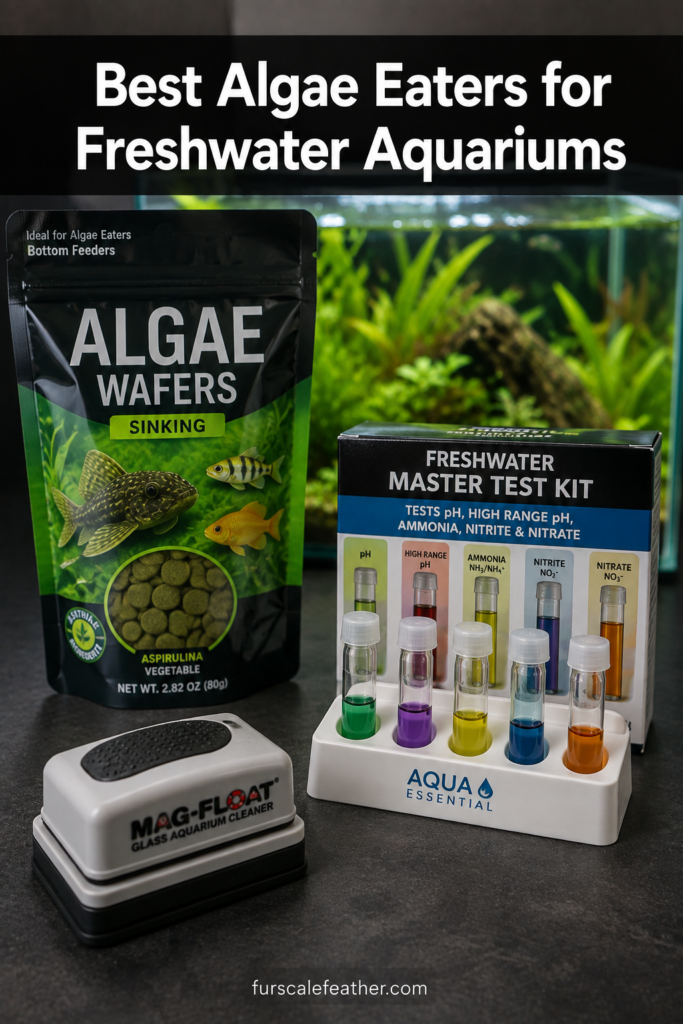
- Hikari Algae Wafers. Sinking wafers that supplement natural grazing when tank algae runs low. Pros: widely available, breaks down cleanly without clouding water. Cons: overfeeding can spike ammonia if uneaten wafers sit too long.
- API Freshwater Master Test Kit. Liquid test kit for ammonia, nitrite, nitrate, and pH. Pros: far more accurate than paper strips over hundreds of reviews, lasts many months per kit. Cons: takes longer to run than strip tests.
- Magnetic algae scraper (various brands). Handles the film an algae eater can’t reach fast enough. Pros: no water contact needed, safe for glass and most acrylic-rated versions. Cons: cheaper models can trap grit and scratch acrylic tanks specifically.
Winner: API Freshwater Master Test Kit. Algae control starts with knowing your nitrate and phosphate levels, and this is the tool that tells you whether you have an algae eater problem or a water chemistry problem.
The Mistake Most Beginners Make With Algae Eaters
A reader named Jake wrote in after adding three Siamese algae eaters to his 10-gallon nano tank to fight a black beard algae outbreak. Within six weeks, the algae eaters had outgrown the tank, started fighting each other over territory, and the algae was still spreading because the real cause was 11 hours of daily lighting on an aquarium timer he’d forgotten was set that high. He rehomed two of the three fish, cut his lighting to 7 hours a day, and switched to Amano shrimp instead. The algae cleared within three weeks. The lesson: an algae eater can’t outpace a lighting or nutrient problem, and oversized species in undersized tanks create a second problem on top of the first.
Best Small Algae Eaters for Nano Tanks
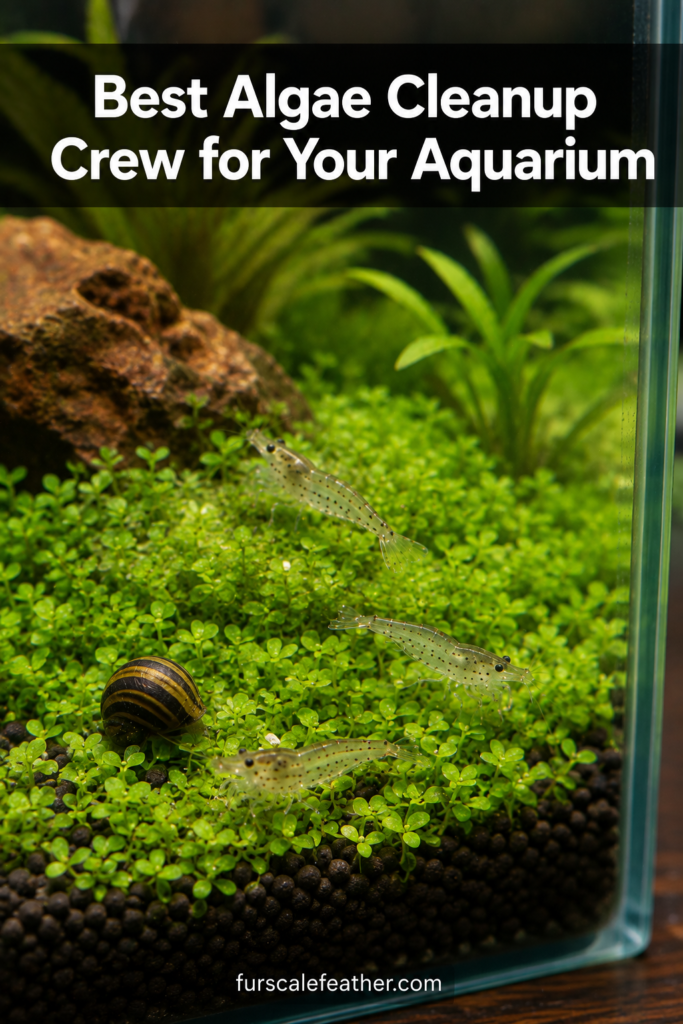
For tanks under 10 gallons, stick with nerite snails or a small group of 2 to 3 Amano shrimp. Avoid otocinclus in nano tanks unless the tank has been running for at least 3 months, since they need an established algae supply to avoid starving.
Best Algae Eaters for Planted Tanks
Amano shrimp and otocinclus are the safest picks for planted tanks because neither uproots plants or eats healthy leaf tissue, unlike some pleco species that will rasp on soft-leafed plants when algae runs short.
Questions People Usually Ask
Do algae eaters eliminate algae completely? No. They reduce algae growth and keep it in check, but persistent or heavy algae usually means a lighting or nutrient issue that needs fixing alongside the algae eater.
Can I keep multiple types of algae eaters together? Yes, in tanks of 20 gallons or more. Nerite snails, Amano shrimp, and otocinclus are commonly kept together since they target different algae types and rarely compete for the same food.
How long until an algae eater clears my tank? Based on the field test referenced above, light green film cleared in 3 to 5 days with nerites, while heavier hair or black beard algae took 10 days to several weeks with Amano shrimp or Siamese algae eaters.
What do algae eaters eat once the algae is gone? Supplement with algae wafers, blanched zucchini or spinach for shrimp and otocinclus, and occasional protein like frozen bloodworms for larger species like Siamese algae eaters.
Are algae eaters safe for beginner tanks? Nerite snails and Amano shrimp are two of the most forgiving choices for beginners. Otocinclus and Siamese algae eaters need a more established tank and steadier water parameters before they’ll thrive.
Disclosure
Product recommendations in this article are based on aggregated user reviews and published manufacturer specs rather than personal testing. This post may contain affiliate links, and we may earn a commission on qualifying purchases at no extra cost to you.
If your tank is coated in algae, the fix isn’t scrubbing harder, it’s matching the right species to your tank size and algae type, then backing it up with less light and regular water changes. Start with nerite snails or Amano shrimp if you’re not sure where to begin, since both are forgiving for beginners and effective across the widest range of algae types. Check your nitrate and phosphate levels before you buy anything, since that tells you whether you’re solving the real problem or just adding fish to a tank that needs a maintenance fix first.