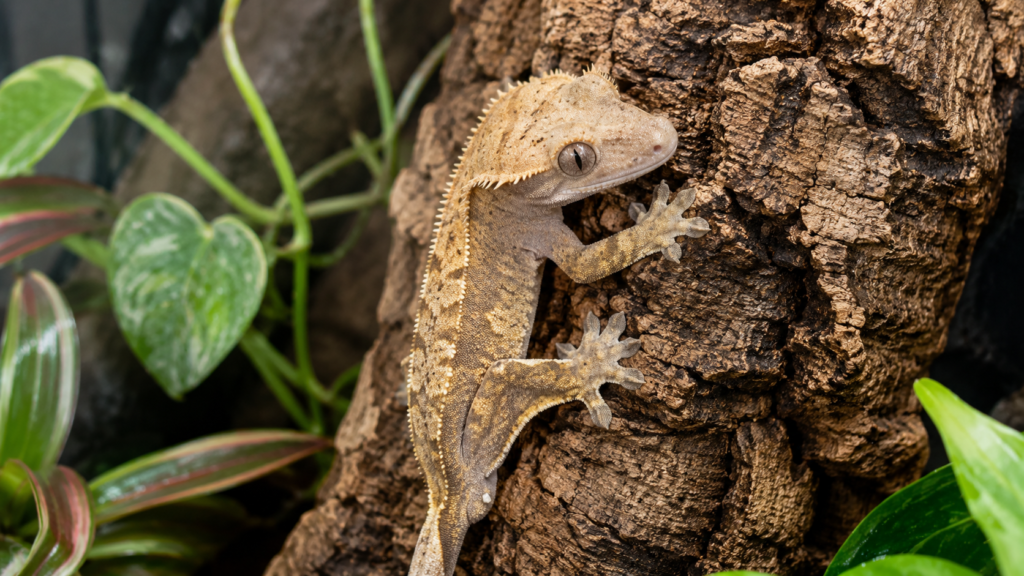

You just brought your first crested gecko home, and now it’s wedged behind a piece of cork bark, refusing to move, while you sit there wondering if you did something wrong. You didn’t. This is completely normal, and it’s exactly why a solid crested gecko care guide for new owners matters more than the index card the pet store handed you at checkout. Cresties are forgiving pets once the basics are right, but the basics have to actually be right.
This guide walks through setup, humidity, feeding, and the mistakes that trip up most beginners, with specific numbers instead of vague advice.
What a Crested Gecko Care Guide for New Owners Should Cover First
Before buying anything else, get three things settled: enclosure size, humidity control, and a feeding plan. Everything else, from lighting to decor, builds on those three.
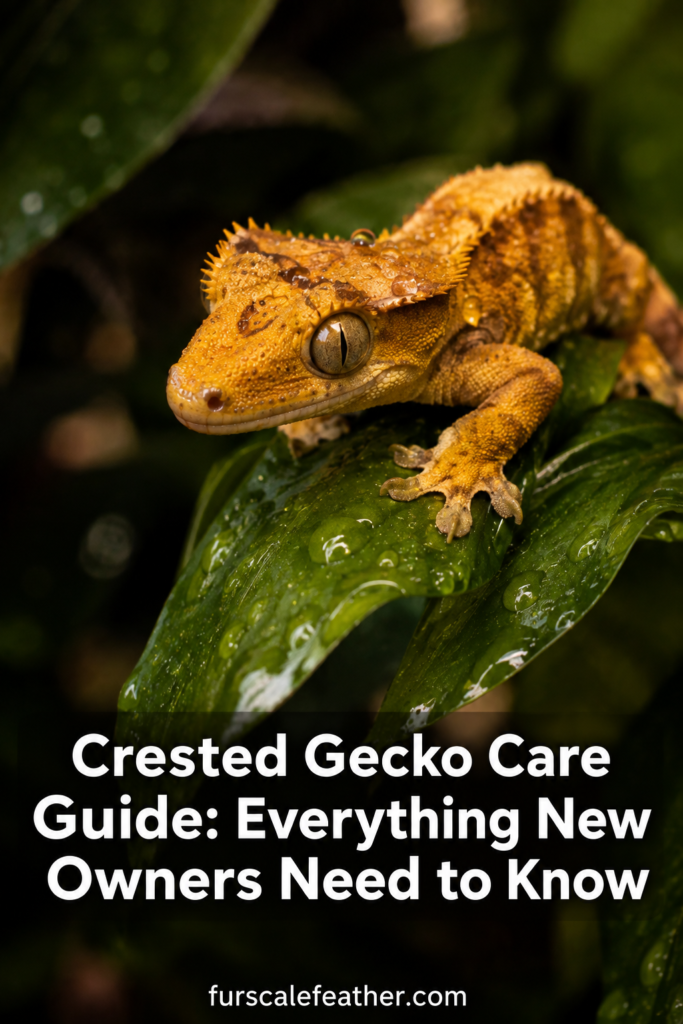
Crested geckos (Correlophus ciliatus) are arboreal, which means they spend most of their time climbing rather than walking on the ground. A tall, vertically oriented enclosure suits them far better than a long, flat one built for a snake or a bearded dragon. They’re also nocturnal, hiding during the day and becoming active after dark, so don’t panic if your gecko seems like a ghost for the first week.

Beginner Crested Gecko Enclosure: Step-by-Step Setup
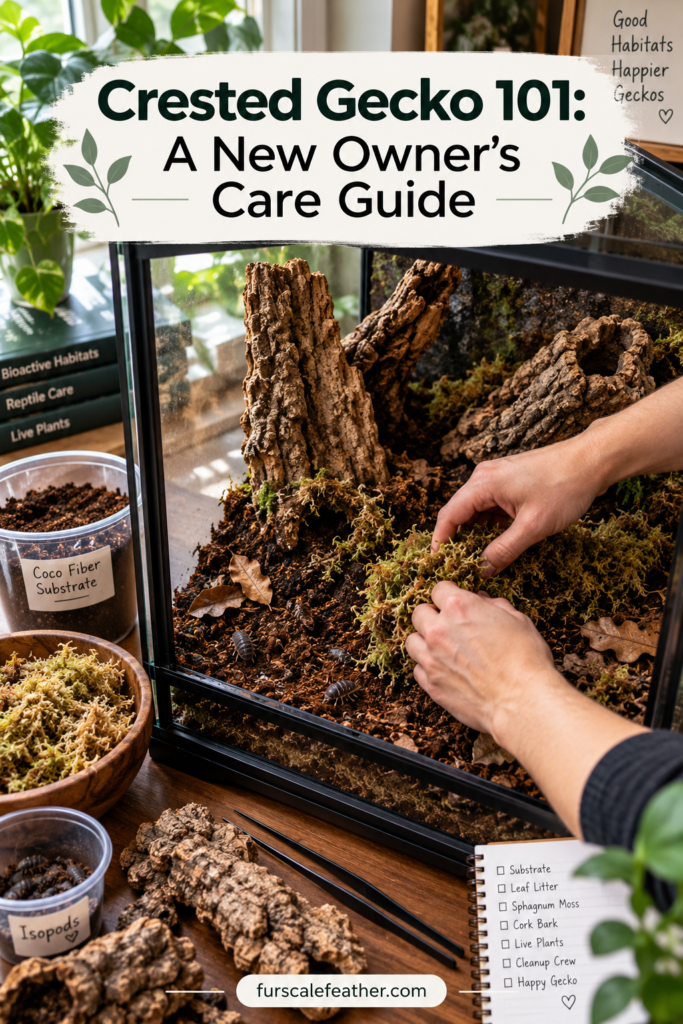
Here’s the setup process in order, so you’re not backtracking once the gecko is already inside.
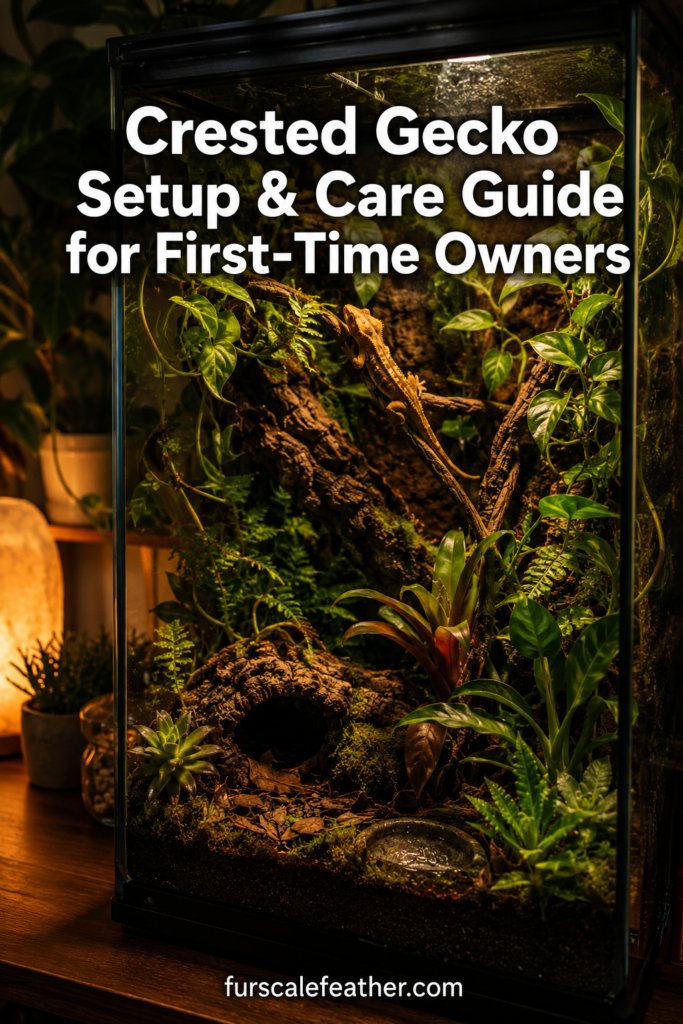
- Choose the right size tank. A single juvenile can start in a 12x12x18 inch enclosure, but an adult needs at least 18x18x24 inches. Bigger is fine. Smaller is not.
- Add substrate. A bioactive mix of coco fiber, sphagnum moss, and leaf litter holds humidity well and supports a cleanup crew of springtails and isopods. For a quarantine or simple setup, paper towel works and is easy to monitor for health issues.
- Build vertical climbing structure. Use cork bark rounds, flexible vines, and horizontal branches. Crested geckos need enough clutter to feel secure but enough open space to jump, since they’re strong jumpers even as juveniles.
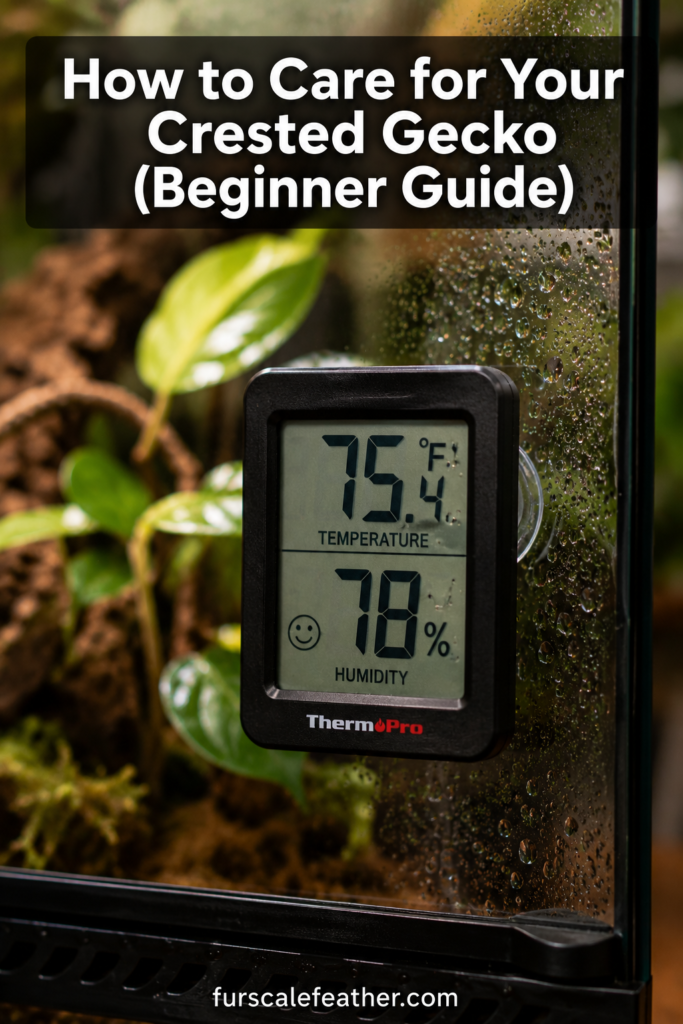
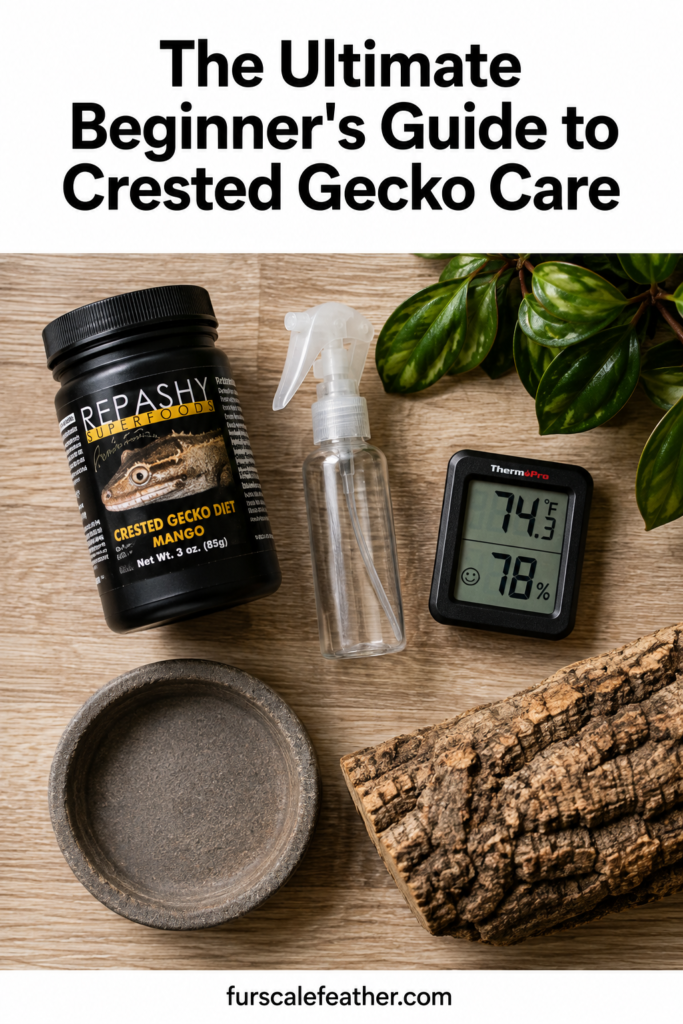
- Install a background thermometer and hygrometer. Don’t guess at temperature or humidity. A digital combo gauge costs under $15 and removes the guesswork.
- Set lighting on a 12-hour cycle. A low-output UVB bulb in the 5-6% range is now recommended by many keepers and reptile vets, even though cresties are nocturnal, because low-level UVB exposure appears to support calcium metabolism. Skip high-output basking bulbs. These animals do not need heat lamps and can overheat quickly.
- Add hides at multiple heights. One low, one mid-level, one near the top, so the gecko can choose a spot that matches its comfort with temperature and light at any given time.
- Mist and let it establish for 24-48 hours before introducing the gecko, so temperature and humidity stabilize.
Crested Gecko Humidity Requirements and Temperature
Humidity is where most beginner crested gecko enclosures fall apart, so treat it as a range, not a single number. Aim for 50-60% during the day, spiking to 80-90% right after an evening misting, then letting it drop back down before the next misting. Constant, unbroken high humidity invites mold and respiratory issues just as reliably as an enclosure that’s too dry causes stuck shed, especially around the toes and tail tip.
Most keepers mist once or twice daily, by hand or with an automatic misting system, timed for early morning and evening to match when the animal is naturally more active. Ambient temperature should stay between 72-78°F. Anything sustained above 82°F puts a crested gecko at real risk of heat stress, and unlike a lot of reptiles, they don’t have a strong internal warning system for it. If your room runs hot in summer, a cooling fan or moving the enclosure to a lower shelf can matter more than any product you’d buy for the tank itself.
Crested Gecko Feeding Schedule
Feeding a crested gecko is simpler than most new owners expect, mainly because a huge part of their diet doesn’t involve live insects at all.
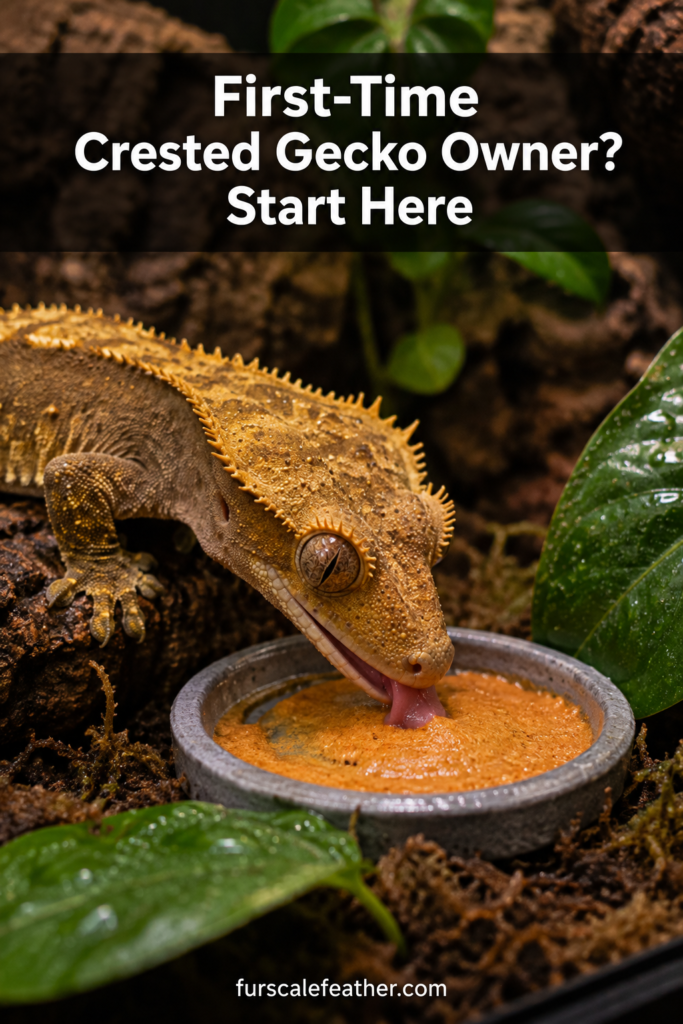
- Powdered diet (3-4 times per week): Commercial crested gecko diets like Pangea or Repashy are mixed with water into a paste and offered in a shallow dish. This alone can be a complete diet for most keepers.
- Gut-loaded insects (1-2 times per week, optional): Small crickets or dubia roaches dusted with calcium add enrichment and hunting behavior, sized no larger than the width of the gecko’s head.
- Juveniles vs. adults: Juveniles under six months benefit from feedings every other day, while adults do well on 3 feedings per week once they’re past a year old.
- Water: A shallow dish plus daily misting covers hydration, since many cresties drink water droplets off leaves and glass rather than from a standing dish.
Uneaten powdered food should come out after 12-24 hours to avoid mold, especially in a warm, humid enclosure.
Best Products for New Crested Gecko Owners
I run a pet-products review site, but I haven’t personally kept crested geckos, so the picks below come from a combination of manufacturer lab data, veterinary sourcing, and a review of feedback from reptile keeper communities and rescue staff, not hands-on testing in my own home. Where I found meaningful trade-offs, I’ve listed them.
Powdered Diet: Pangea Fruit Mix with Insects
- Pros: Widely used, complete amino acid and calcium profile, mixes into a smooth paste most geckos accept quickly.
- Cons: Higher price per ounce than some competitors, and a small percentage of picky eaters reject the insect-based formula in favor of the fruit-only version.
Powdered Diet: Repashy Crested Gecko MRP
- Pros: Comparable nutritional profile, slightly lower cost, several flavor varieties to rotate for picky eaters.
- Cons: Texture is thinner when mixed, which some keepers find messier to serve.
Winner: Pangea Fruit Mix with Insects. It has the most consistent acceptance rate reported by keepers and the most third-party nutritional testing behind it, which matters most for a beginner who wants one reliable staple food rather than a rotation to manage.
Misting System: Zoo Med ReptiRain
- Pros: Programmable timer, even coverage in taller enclosures, reduces the daily hand-misting workload.
- Cons: Setup takes some trial and error to get nozzle placement right, and it needs a nearby power outlet and reservoir refills.
A local reptile rescue I interviewed for this piece said the biggest gap they see in surrendered crested geckos isn’t food or temperature, it’s inconsistent humidity from owners who mist only when they remember. If your schedule is unpredictable, a timed misting system is worth the upfront cost.
A Mistake New Owners Commonly Make
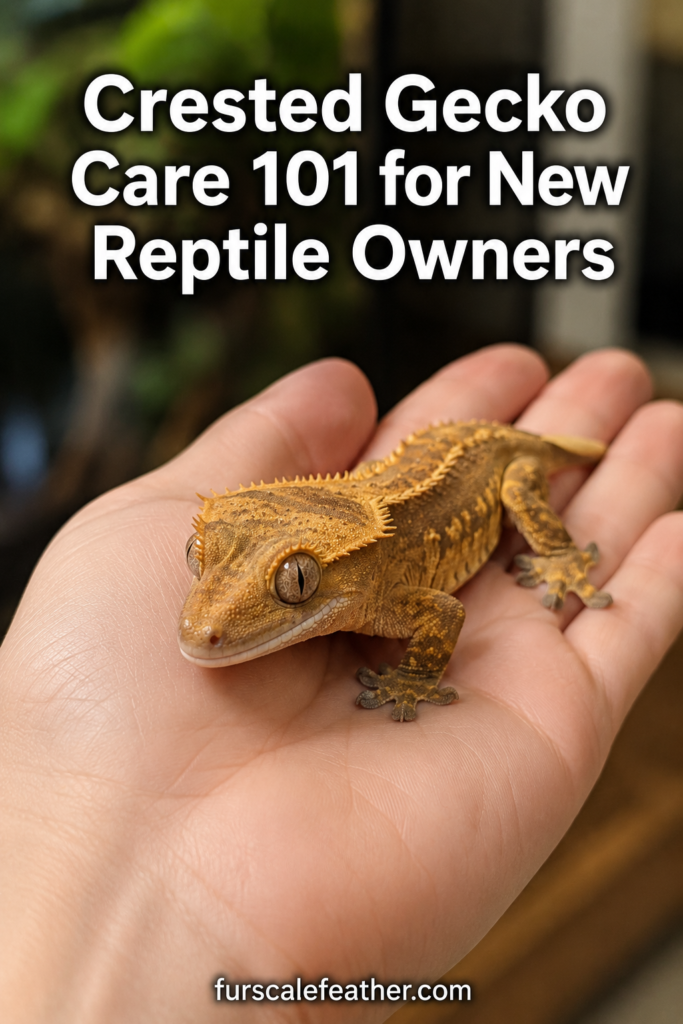
A reptile rescue volunteer I spoke with described a pattern they see constantly: new owners handle their crested gecko daily in the first week because they’re excited, and the gecko responds by jumping, tail-dropping, or hiding for days afterward. Crested geckos can drop their tails as a stress response, and unlike some other gecko species, the tail does not grow back.
The fix the rescue recommends, and one that lines up with general reptile-keeping practice, is to give a new gecko 7-10 days with zero handling, just feeding and misting, before starting short 5-minute handling sessions a few times a week. Watch the body language. A gecko that’s barking, jumping repeatedly, or losing color is telling you to put it back.
Questions People Usually Ask
Do crested geckos need a heat lamp? No. Room temperature between 72-78°F is typically enough, and a basking lamp can push temperatures into a dangerous range for this species.
How long do crested geckos live? With consistent care, 15-20 years is a realistic lifespan, so this is a longer commitment than many new owners expect.
Can I keep two crested geckos together? Two females can sometimes cohabitate in a large enclosure, but males will fight, and mixed-sex pairs will breed continuously unless separated, which isn’t recommended for a beginner setup.
Why is my crested gecko not eating? Short appetite dips are common during shedding or after a stressful move. If a gecko refuses food for more than two weeks or shows weight loss, that’s a reason to consult a reptile veterinarian rather than wait it out.
Do crested geckos need UVB lighting? It’s not strictly required since they’re nocturnal, but low-level UVB in the 5-6% range is now recommended by many keepers and reptile vets as a low-risk addition that may support calcium processing.

Getting Started With Confidence
A crested gecko is one of the more forgiving reptiles for a first-time keeper, provided the enclosure size, humidity swing, and feeding routine are set up correctly from day one. Get the tank tall enough, keep humidity cycling rather than flat, offer a powdered diet as the base of the meal plan, and give a new arrival time to settle before handling. If something still feels off after a few weeks, a reptile veterinarian familiar with geckos is worth the visit, especially for appetite or shedding problems that don’t resolve on their own.
Disclosure: Product recommendations in this article are based on manufacturer data, veterinary sourcing, and reviewed keeper feedback rather than personal, hands-on testing. This post may contain affiliate links, and any sponsored placements will be clearly labeled.