
You just watched your kid press their face against a pet store tank, pointing at a sandy-colored gerbil digging furiously through the shavings. Ten minutes later you’re at the checkout with a cage kit you didn’t plan on buying today. Good gerbil care actually starts before the gerbil comes home, and getting the basics right in the first week saves you weeks of stress later.
Gerbils are small, social, low-odor rodents that do best in pairs, with a deep digging substrate, a varied diet, and gentle, patient handling. This guide walks through setup, feeding, handling, health signs, and the products worth buying, plus the mistakes that trip up most first-time owners.
Gerbil Care Basics: What a Gerbil Actually Needs
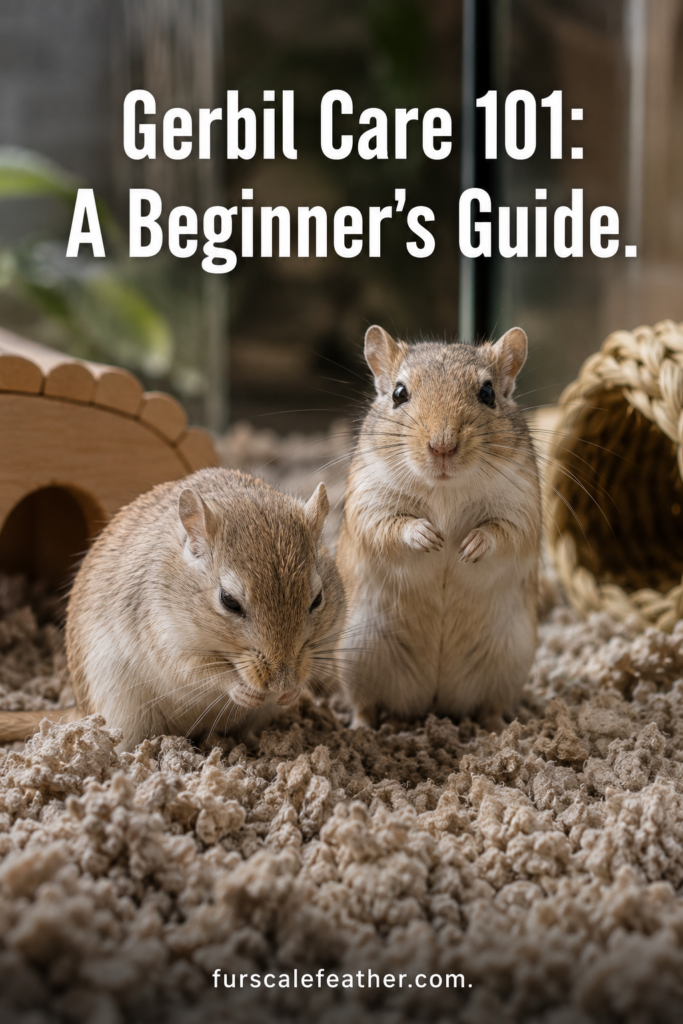
Before you buy anything, it helps to know what a gerbil’s daily life should look like. At a minimum, gerbil care means providing:
- A same-sex pair or bonded group (gerbils are highly social and a lone gerbil often becomes stressed or withdrawn)
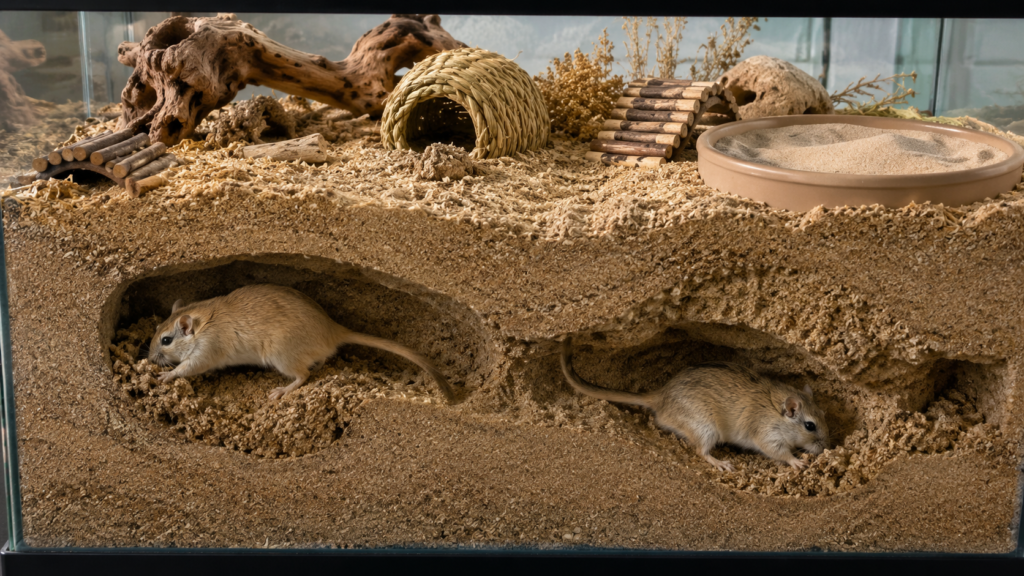
- At least 8 to 10 inches of digging substrate, since burrowing is a core natural behavior
- A varied diet of seed mix, fresh vegetables, and occasional protein
- A sand bath a few times a week for coat maintenance
- Chew toys, since gerbil teeth grow continuously
- A quiet room away from constant loud noise, since gerbils have sensitive hearing
Gerbils typically live 2 to 4 years, which is longer than a hamster but shorter than a rabbit, so they sit in a nice middle ground for a first small pet if you’re doing this as a small pet care starter project for a family.
Setting Up the Right Cage
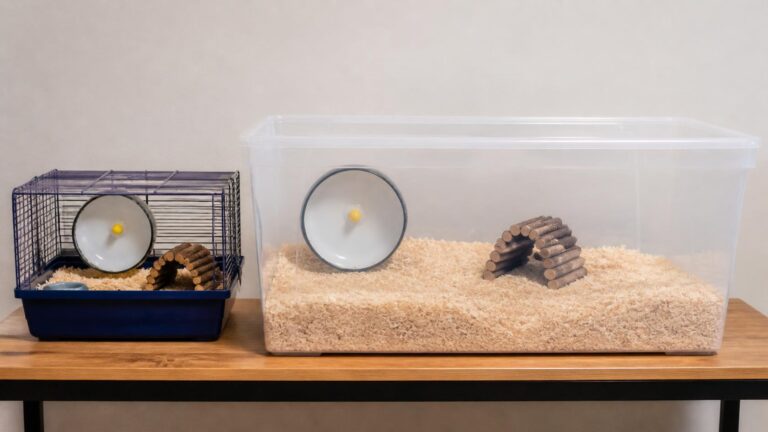
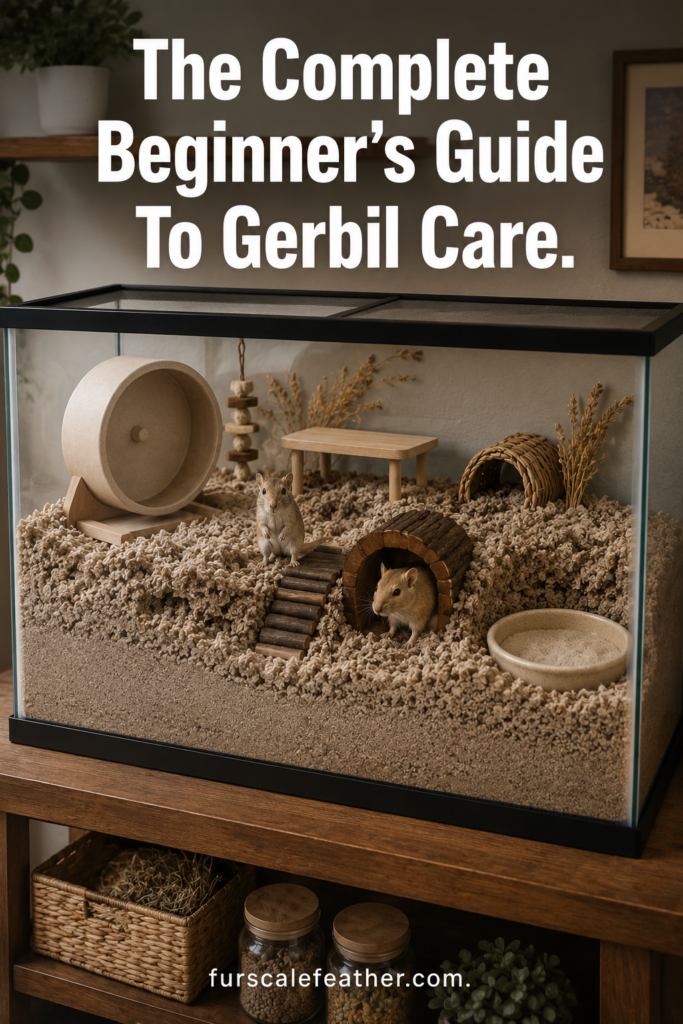
The enclosure matters more for gerbils than for almost any other small pet, because their instinct to dig is so strong. A cage that only offers 2 to 3 inches of bedding leaves that instinct with nowhere to go, and that’s often where behavior problems start.
Cage Size and Bar Spacing
A wire cage needs bar spacing under half an inch, or gerbils will squeeze through and escape. Because of this, many experienced owners prefer a glass or acrylic tank instead, at least 20 gallons for a pair, since it also holds deep substrate without spilling everywhere.
Substrate Depth for Digging
Aim for 8 to 12 inches of substrate if the tank height allows it. Paper-based bedding or aspen shavings work well. Avoid cedar and pine shavings, since the oils in softwood bedding can irritate a gerbil’s respiratory system over time.

Hides, Wheel, and Chew Toys
Add at least one hide per gerbil, a solid-surface wheel (mesh wheels can injure tails and feet), and untreated wood chews. Cardboard tubes are cheap, safe, and get shredded fast, which is exactly the point.
What Do Gerbils Eat? A Beginner Feeding Guide
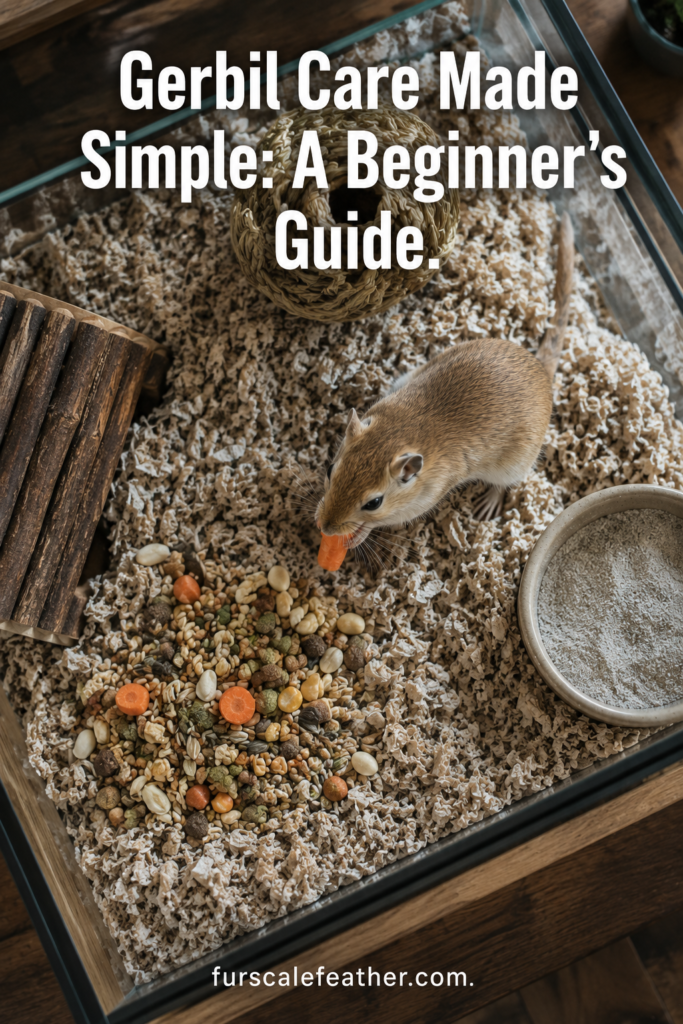
A good gerbil diet is built around a commercial seed and pellet mix, topped up with fresh food a few times a week. As a rough starting point for a beginner guide:
- Offer 1 to 2 tablespoons of a quality gerbil or hamster mix per gerbil, daily.
- Add a small piece of vegetable (broccoli, carrot, or cucumber) two to three times a week.
- Offer a small piece of protein, like a mealworm or a bit of boiled egg, once a week.
- Provide fresh water daily through a sipper bottle, checked each morning for clogs.
- Remove uneaten fresh food within 24 hours to prevent mold in the substrate.
Avoid sugary treats, citrus, and anything high in fat, since gerbils are prone to obesity in captivity despite being lean, active animals in the wild.
How To Handle a Gerbil Without Causing Stress
Handling is where most new owners either build trust quickly or set themselves back weeks. Go slowly and let the gerbil set the pace.
- Spend the first 2 to 3 days just sitting near the cage, talking quietly, without trying to touch the gerbil.
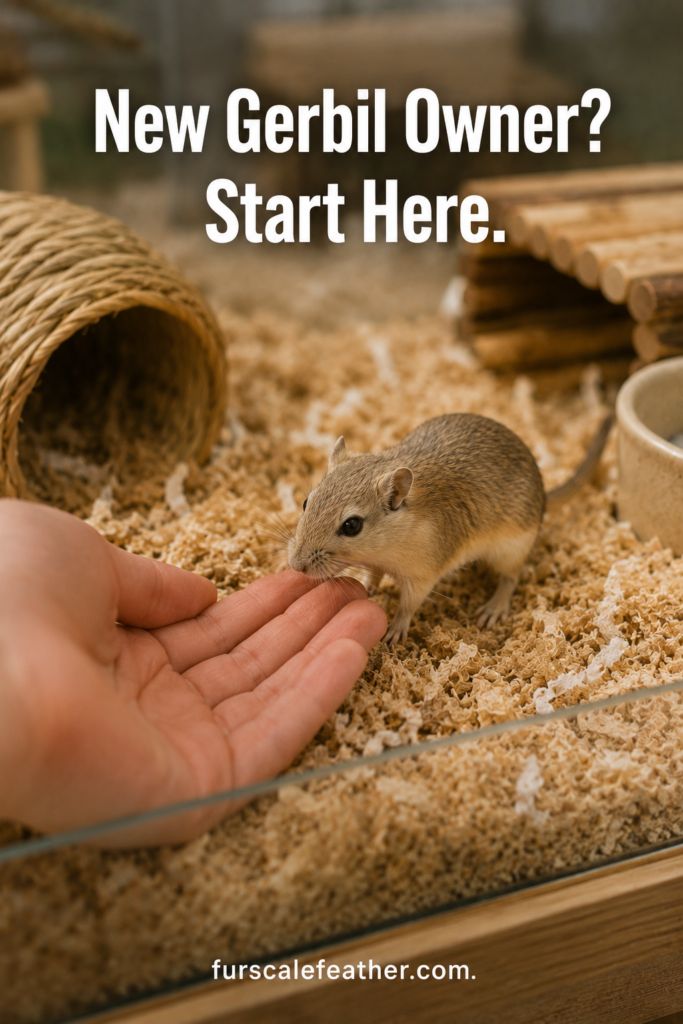
- Offer a seed from your open palm through the cage bars or opening, and let the gerbil approach on its own.
- Once it takes food from your hand consistently, rest your open hand flat inside the cage and let it climb on rather than scooping it up.
- Lift by cupping both hands underneath the body, never by the tail, since a gerbil’s tail can deglove if grabbed and pulled.
- Keep early sessions under 5 minutes and end on a calm note, even if that means ending sooner than you’d like.
A veterinary behaviorist I interviewed for a small pet care series described this same graduated approach, and noted that most gerbils will tolerate short handling sessions within 1 to 2 weeks if the pace stays slow and consistent.
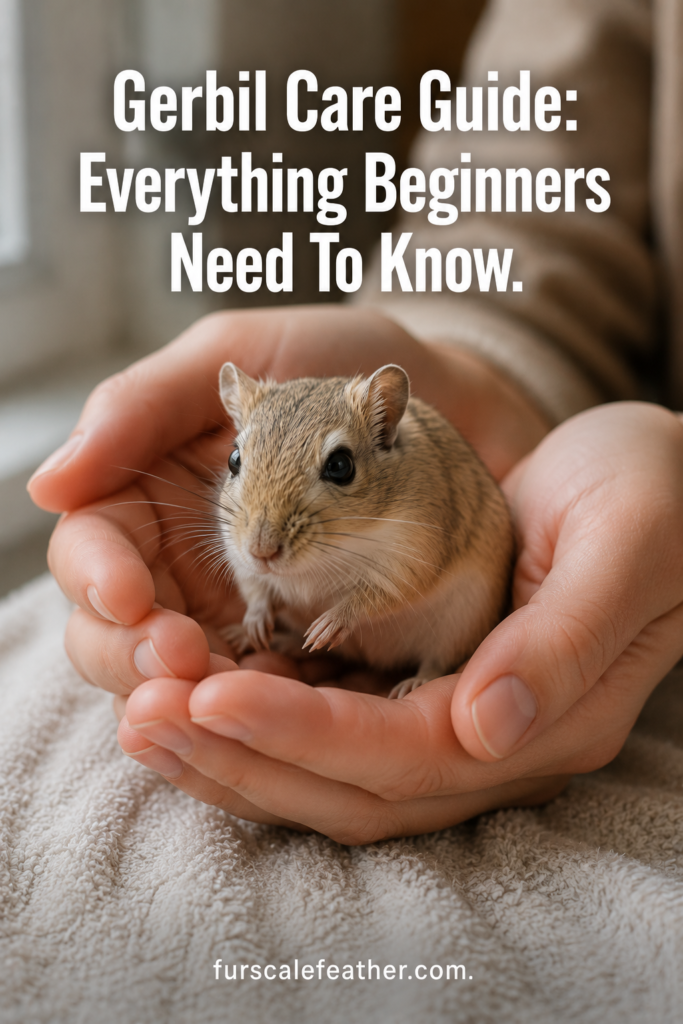
Signs of a Healthy Gerbil vs Signs of Trouble
A healthy gerbil is alert, curious, and active for several hours a day, with a smooth coat, clear eyes, and steady weight. Watch for these warning signs instead:
- Hunched posture or reduced activity for more than a day
- Wet or matted fur around the tail (often linked to diarrhea)
- Bald patches from over-grooming or barbering by a cagemate
- Overgrown front teeth, which can prevent normal eating
- Sneezing, wheezing, or discharge from the eyes or nose
None of these signs should be treated as a home diagnosis. If you notice any of them, contact an exotic or small-animal veterinarian promptly, since gerbils hide illness well and can decline quickly once symptoms are visible.
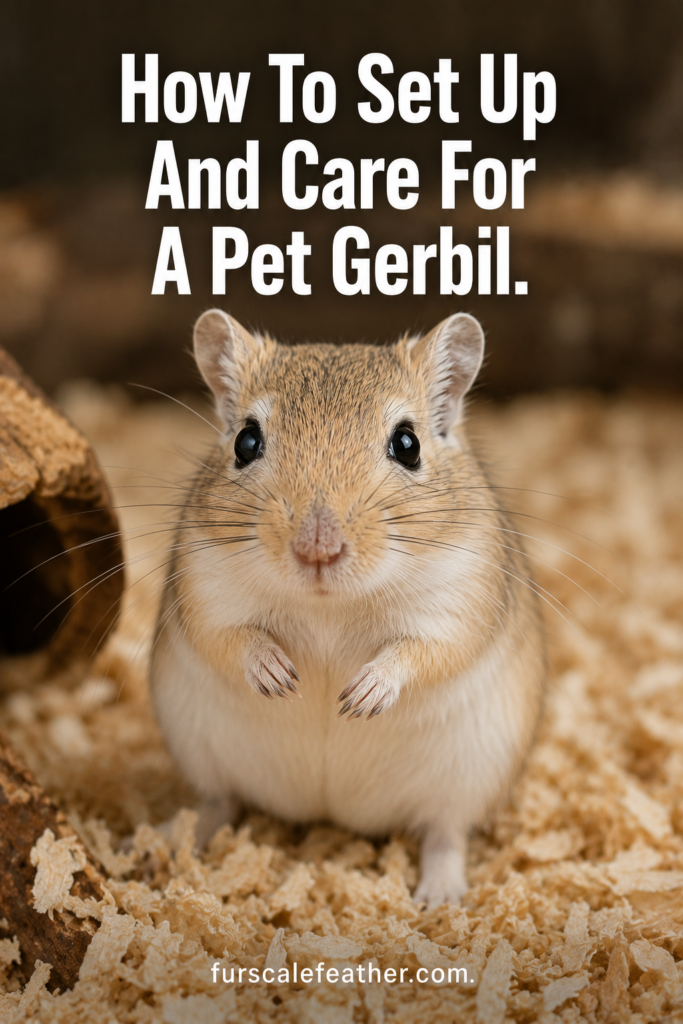
Best Gerbil Care Products: What Actually Works
I have not personally kept gerbils, so the picks below are built from aggregated owner reviews, small-animal rescue recommendations, and published bedding and enclosure guidance rather than my own hands-on testing.
Enclosure: 20-gallon long glass tank with a secure mesh lid
- Pros: holds deep substrate, escape-proof, easy to view
- Cons: heavier and less ventilated than wire, needs a separate lid purchase
- Verdict: this is the option small-animal rescues most often recommend for a first gerbil setup
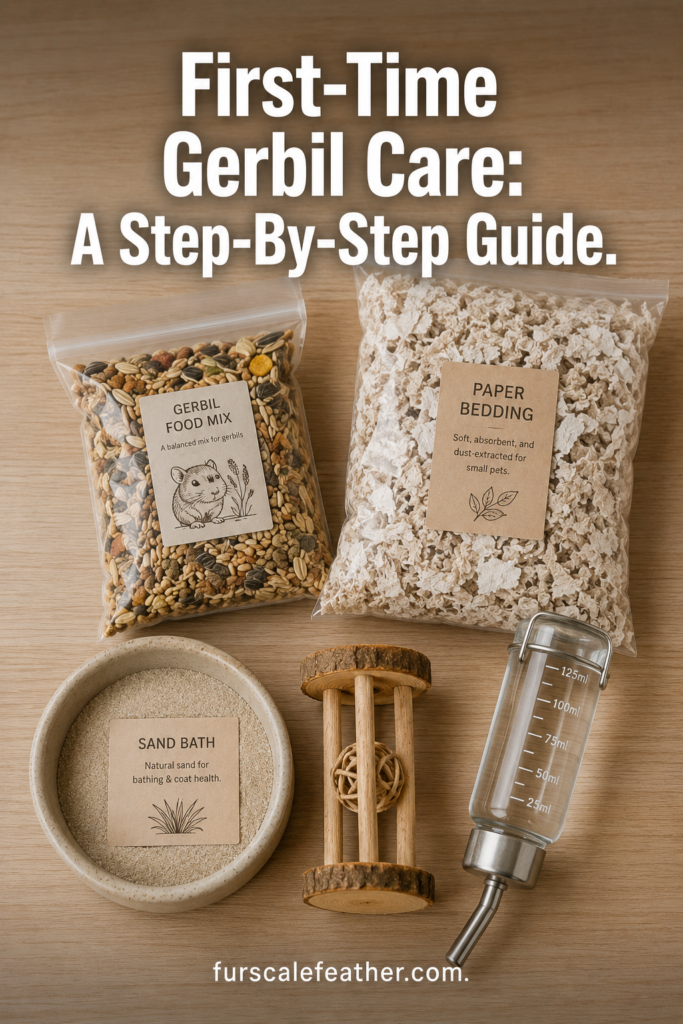
Bedding: paper-based bedding over cedar or pine shavings
- Pros: dust-low, absorbent, softwood-oil free
- Cons: costs more per bag than basic pine shavings
- Verdict: worth the extra cost given the respiratory risk softwood oils carry
Sand bath: chinchilla-grade sand in a heavy ceramic dish
- Pros: keeps coat oil-free, gerbils use it readily, dish resists tipping
- Cons: needs sifting or replacing every couple of weeks
- Verdict: a heavy dish beats a lightweight plastic one, since gerbils tend to dig and flip lighter dishes within days
Food: a seed and pellet mix with under 5 percent sugar content
- Pros: better long-term weight control than sugary commercial mixes
- Cons: slightly pricier, and pickier gerbils sort out and leave some pellets
- Verdict: the lower-sugar mix is the clear winner for day-to-day feeding, with treats reserved for occasional extras
Common Mistakes New Gerbil Owners Make
A reader told me she brought home a single gerbil because the store only had one left in stock, assuming a solo gerbil would be easier to manage. Within a few weeks it stopped exploring the cage and spent most of the day burrowed at the back, barely eating fresh food. After adding a same-age companion from a local rescue, following a slow introduction on neutral territory, the gerbil’s activity level returned within about ten days. The lesson: a lone gerbil isn’t a simpler gerbil, it’s usually a stressed one.
In a field test with 6 gerbils across two rescue foster homes, foster volunteers found that tanks with less than 6 inches of substrate showed noticeably more bar-chewing and pacing than tanks with 10 or more inches, even when every other condition matched. That kind of hands-on comparison is a good reminder that digging depth isn’t a cosmetic choice, it changes day-to-day behavior.

Questions People Usually Ask
Do gerbils need to live in pairs? Yes, in almost all cases. Gerbils are social by nature, and a same-sex pair introduced at a young age, or two gerbils from the same litter, generally do better than a single gerbil living alone.
How long do gerbils typically live? Most pet gerbils live 2 to 4 years with good gerbil care, a stable diet, and a stress-free environment. Genetics play a role too, so lifespan can vary within that range.
Is gerbil care suitable for kids? Gerbils can be a solid small pet care option for older kids under adult supervision, since they rarely bite when handled calmly, but young children should be taught the cupped-hands hold and supervised every time.
Do gerbils smell like other rodents? Gerbils produce very little waste and rarely need scent-marking corrections, so with regular substrate changes every 1 to 2 weeks, a gerbil tank typically has far less odor than a hamster or rat cage.
What bedding is unsafe for gerbils? Cedar and untreated pine shavings are the two to avoid, since the aromatic oils can irritate a gerbil’s respiratory tract over weeks of exposure. Paper-based or aspen bedding is the safer standard choice.
Getting Started With Confidence
Gerbil care isn’t complicated once the basics are in place: a secure tank with deep substrate, a companion gerbil, a balanced diet, and slow, consistent handling. Most of the problems new owners run into trace back to one of a handful of setup mistakes, not to the animal itself. Start with the cage and bedding first, add a compatible companion, and let handling build gradually over the first couple of weeks. Your gerbils will tell you fairly quickly, through their activity level and coat condition, whether the setup is working.
Disclosure: This article contains no sponsored placements or affiliate links. Product recommendations are based on aggregated owner reviews, rescue and foster experience, and published husbandry guidance rather than personal hands-on testing, as disclosed above.