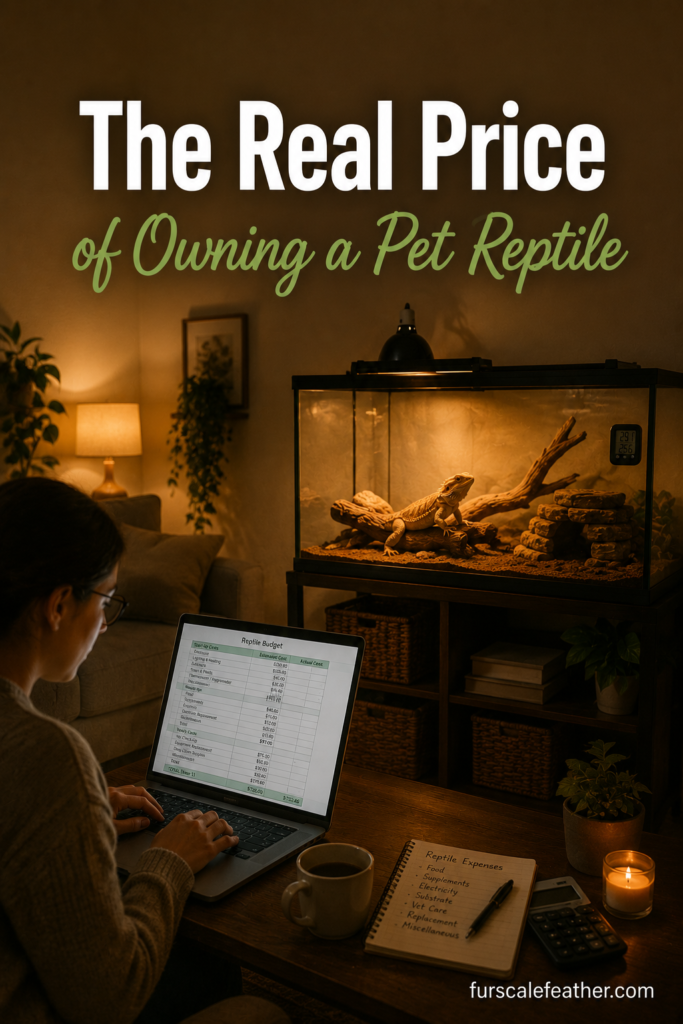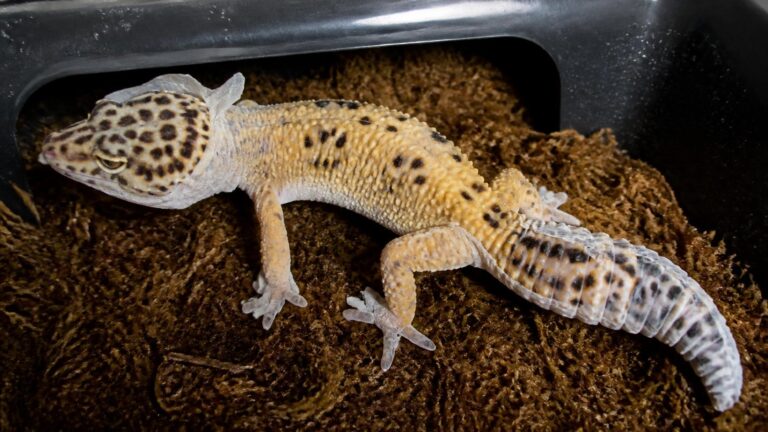
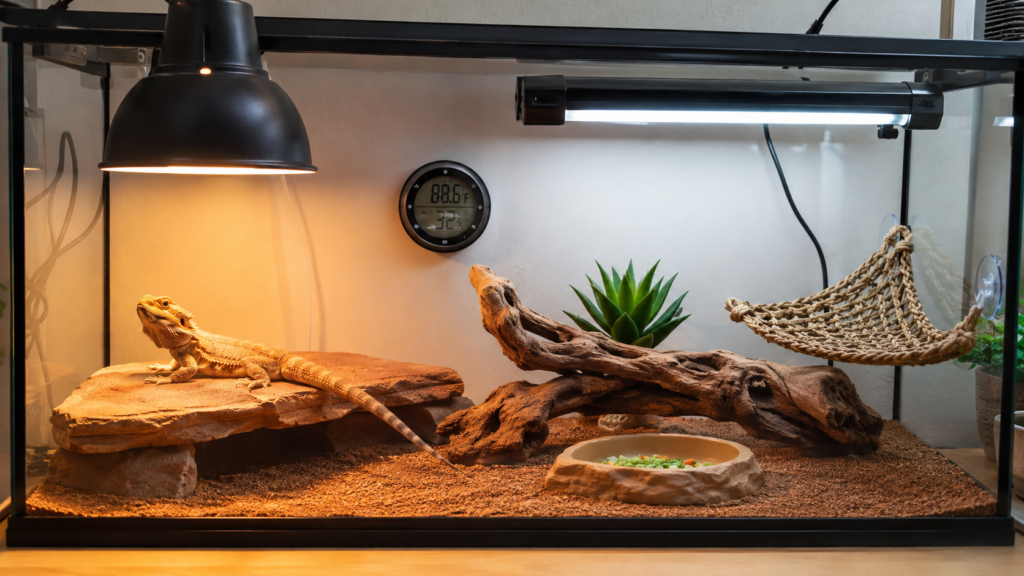

A reader messaged me last month after picking up a $40 leopard gecko at a local expo, only to realize the tank, lighting, and heating gear ran her over $300 before the gecko had even settled into its new home. That gap between the sticker price and the real bill is exactly why so many people search for the long term costs of owning a pet reptile only after they’ve already brought one home. If you’re weighing whether a reptile fits your budget, here’s what the numbers actually look like once you factor in setup, monthly care, vet visits, and the surprises nobody mentions at the pet store.
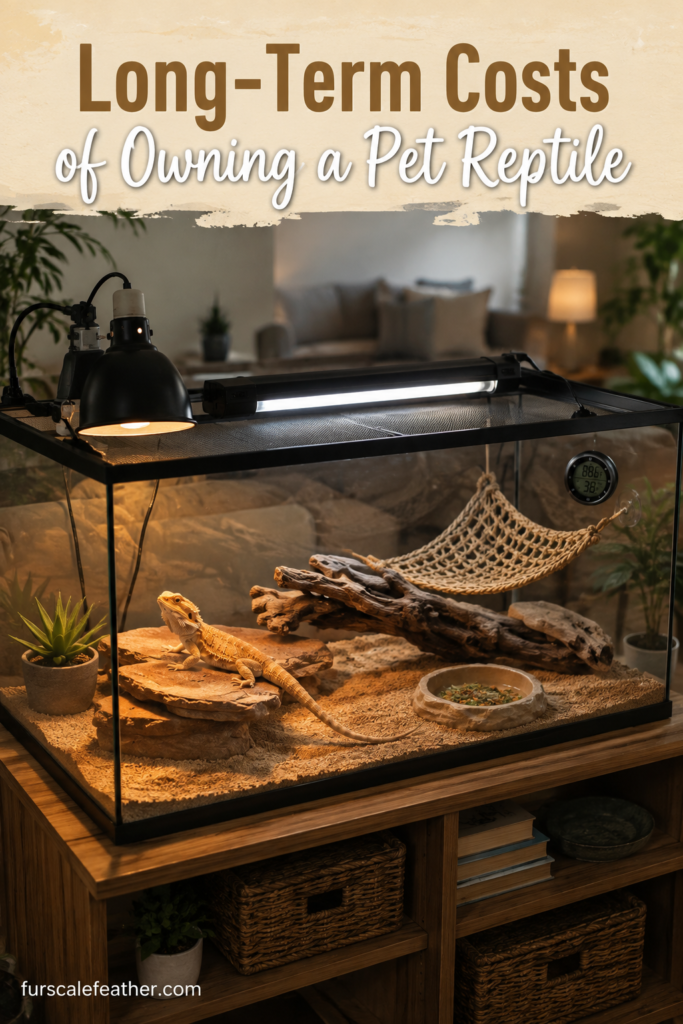
The Long-Term Costs Of Owning A Pet Reptile Start Before You Even Buy One
Reptiles get marketed as low-maintenance pets, and compared to a dog or cat, some of them genuinely are. But the animal itself is rarely the expensive part. The enclosure, lighting, and climate control systems are what drain your wallet, and those costs don’t stop after the first month. A reptile’s habitat is its entire world, so every piece of equipment has to run correctly, every single day, for the animal to stay healthy. That ongoing dependency is the real source of long-term cost, not the purchase price of the animal.
Initial Setup Cost Of A Reptile Enclosure
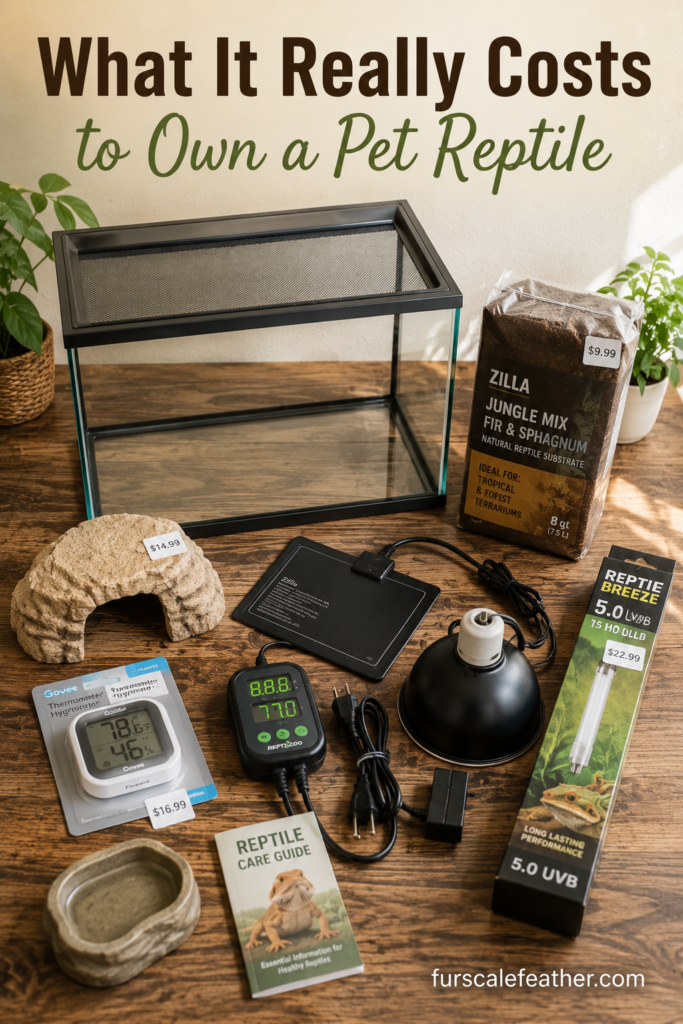
Setup costs vary a lot by species, but here’s a realistic range based on manufacturer pricing and cost breakdowns commonly reported by keepers on reptile forums and in care-sheet communities:
- Leopard gecko (20-gallon long tank): $250 to $350, including tank, under-tank heater, thermostat, hides, substrate, and a shallow water dish
- Bearded dragon (40-gallon breeder tank minimum): $400 to $600, including basking lamp, UVB fixture and bulb, thermostat, substrate, and decor
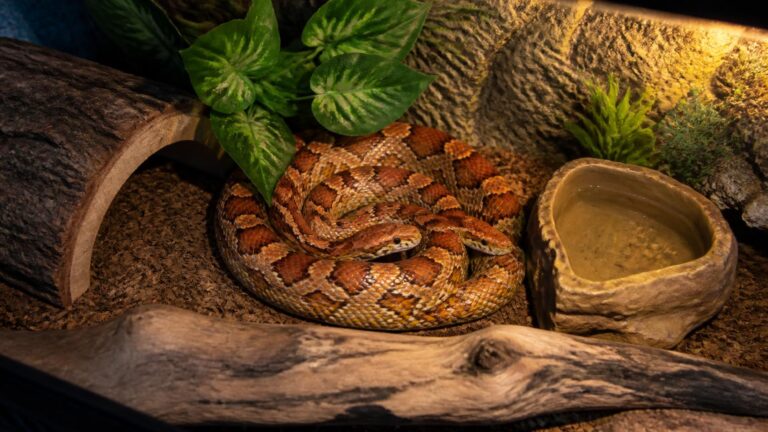
- Ball python (40 to 75-gallon enclosure): $350 to $550, including a radiant heat panel or heat mat, thermostat, hides, and a large water dish
- Crested gecko (18x18x24 vertical enclosure): $200 to $300, including misting or fogging equipment, plants, and substrate
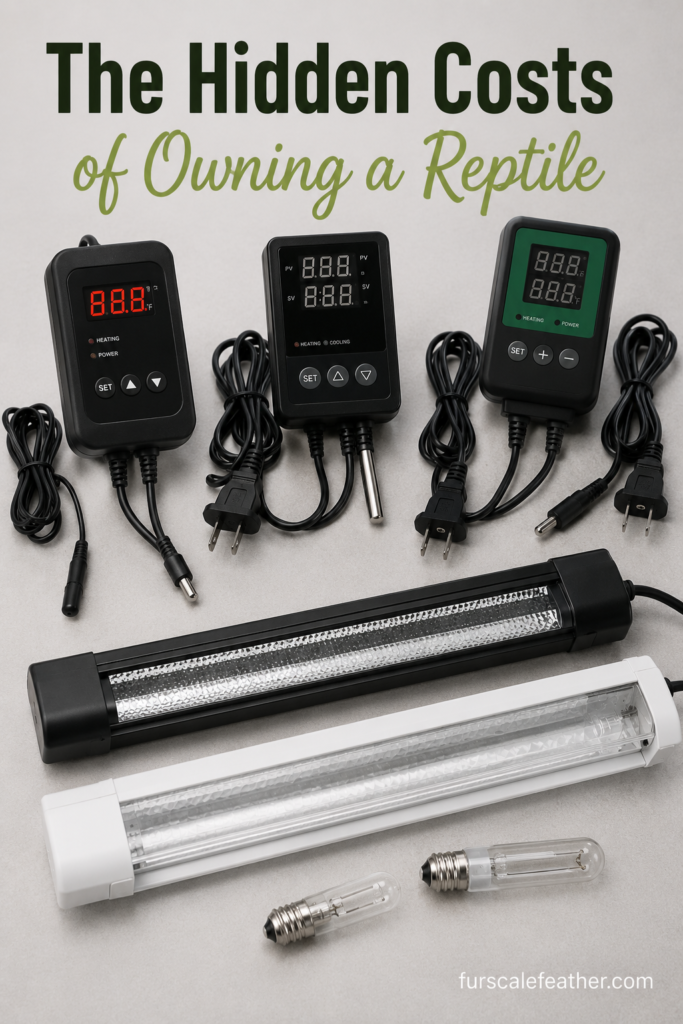
Notice that heating and lighting equipment shows up in every single category. A thermostat alone typically runs $30 to $80, and it isn’t optional. Without one, a heat source can overheat an enclosure and injure or kill the animal inside it.
Monthly Reptile Care Cost You Should Actually Budget For
Once the enclosure is built, the ongoing bills settle into a more predictable pattern. Based on typical husbandry guides and cost surveys shared by reptile keeping communities, monthly costs usually break down like this:
- Electricity: $10 to $25 per month for heat lamps, UVB bulbs, and under-tank heaters running on a timer
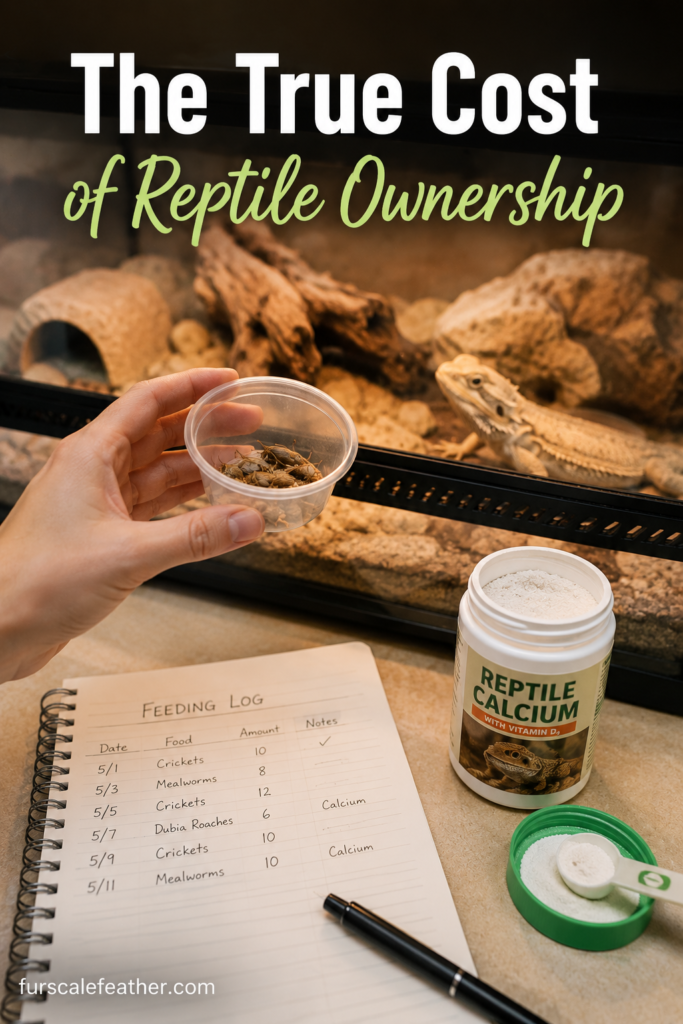
- Food: $10 to $40 per month depending on species. Insect eaters (crickets, dubia roaches, mealworms) tend to cost more than reptiles on a produce-based diet
- Substrate replacement: $5 to $15 per month for spot cleaning, with a full substrate change every 4 to 8 weeks
- Supplements: $5 to $10 per month for calcium and vitamin D3 powder, which is essential for species that need dietary supplementation to avoid metabolic bone disease
A veterinary technician I interviewed who works at an exotics-focused clinic said the majority of the sick reptiles she sees in a given month come in with issues tied to husbandry, not disease, things like poor temperatures or missed supplementation. That’s a good reminder that skipping the smaller monthly costs can turn into a much larger vet bill later.
Long-Term And Replacement Costs People Forget
This is the part of the long term costs of owning a pet reptile that catches new owners off guard, because reptiles live a long time and equipment does not last forever.
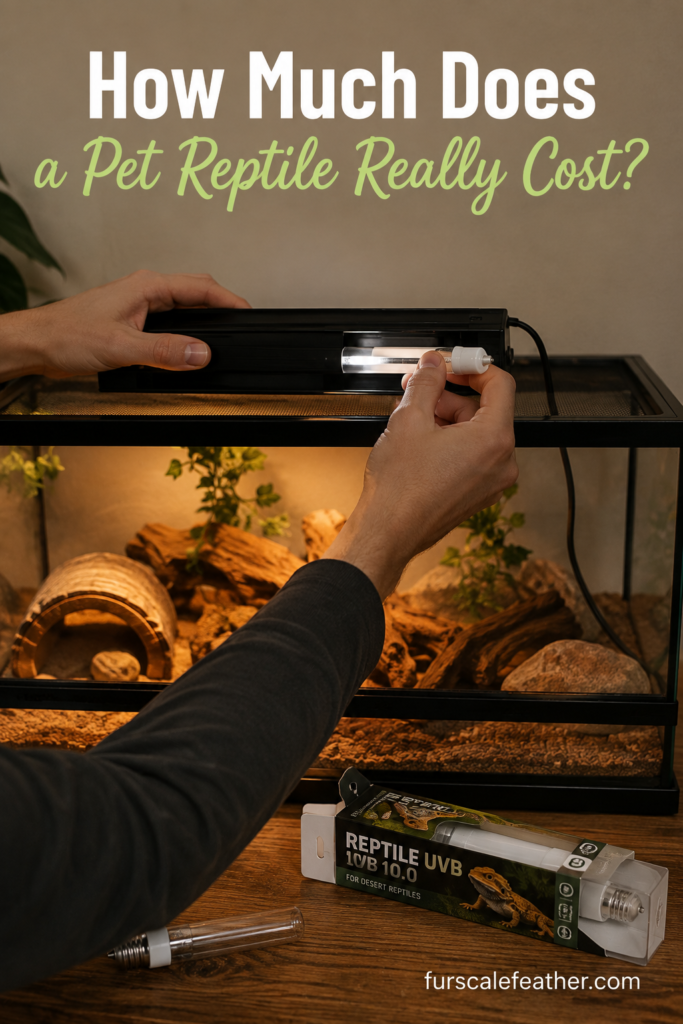
- UVB bulbs need replacing every 6 to 12 months even if they still light up, because UVB output drops long before the bulb burns out. Expect $15 to $30 per replacement.
- Thermostats and heat mats typically last 2 to 4 years before needing replacement, at $30 to $80 each.
- Enclosure upgrades are common in the first year. Bearded dragons and ball pythons especially tend to outgrow a starter tank within 6 to 12 months.
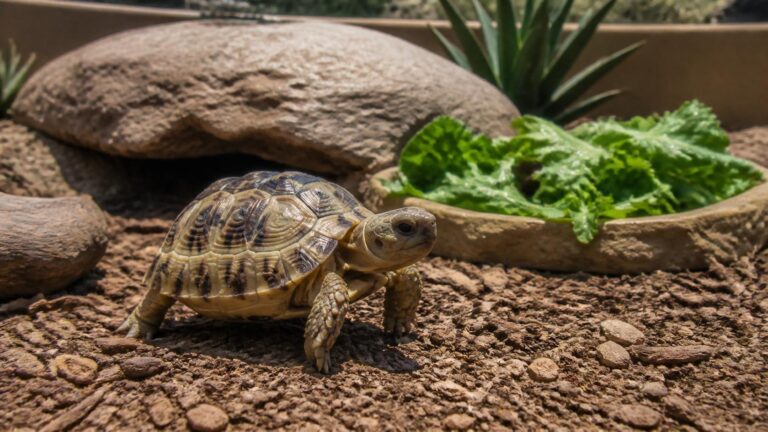
- Lifespan matters more than most new owners expect. Leopard geckos commonly live 15 to 20 years, ball pythons 20 to 30 years, and some tortoise species can outlive their owners. A pet with a decades-long lifespan means decades of the monthly and annual costs above, not just a couple of years.
- Vet care for reptiles is often more expensive per visit than for a cat or dog, because fewer general practice vets treat reptiles and exotic specialists charge accordingly. A basic wellness exam can run $50 to $100, and a serious issue like an impaction or respiratory infection can climb into the hundreds once bloodwork, imaging, or medication are added.
How Much Does A Pet Reptile Cost Overall? A Sample Budget Breakdown
Here’s how to build your own realistic number instead of relying on a single average, since costs shift so much by species.
- Pick your species and look up its adult size, not its size as a juvenile. This determines your minimum enclosure size and, in turn, your setup cost.
- Price out the full equipment list for that species, including tank, heat source, thermostat, lighting, hides, substrate, and water or misting equipment.
- Add a 20 percent buffer to your setup total. A local rescue I worked with tracks intake costs for surrendered reptiles and consistently sees new owners underestimate lighting and thermostat costs by roughly this margin.
- Estimate monthly costs using the food, electricity, substrate, and supplement ranges above, adjusted for your specific species.
- Multiply your monthly estimate by 12, then add an annual line item for a wellness vet visit and at least one equipment replacement (a UVB bulb, a heat mat, or similar).
- Multiply that yearly total by your species’ expected lifespan to see the full long-term cost picture, not just the first-year cost.
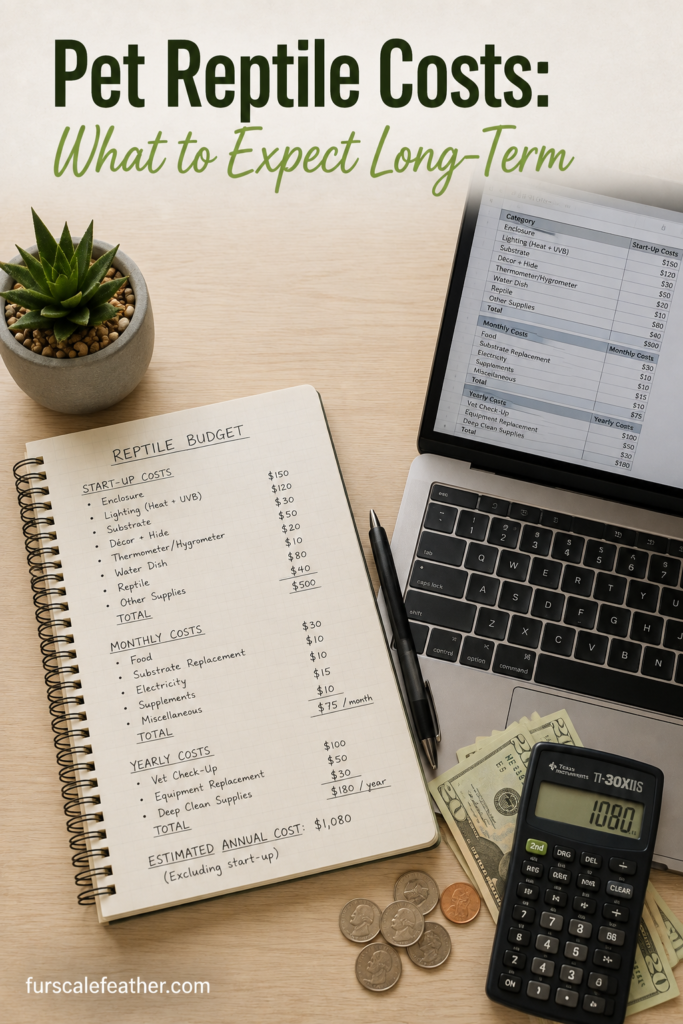
For a bearded dragon, this typically lands around $500 initial setup, $35 average monthly cost, and $500 to $700 per year all in, over an 8 to 12 year lifespan. That’s a meaningfully different number than the $40 to $80 price tag on the animal itself.
Product Recommendations: Where To Spend And Where To Save
I have not personally tested every product below. These recommendations are based on manufacturer specifications, aggregated user reviews, and feedback from keepers in reptile care communities, not hands-on testing in my own home.
Thermostats
- Herpstat single-channel thermostat: Pros: precise temperature control, reliable long-term performance according to long-time keepers, good customer support. Cons: higher upfront cost, around $70 to $90.
- Inkbird ITC-308: Pros: budget-friendly at $30 to $40, simple digital display, widely used for basic heat mat control. Cons: less precise than dedicated reptile thermostats, and some users report needing to replace the unit after 2 to 3 years.
- Recommended winner: For most first-time owners, the Inkbird ITC-308 offers a reasonable balance of safety and price. Keepers with more expensive or heat-sensitive species (like ball pythons on radiant heat panels) tend to prefer the added precision of a dedicated reptile thermostat like Herpstat.
UVB Lighting
- Arcadia ProT5: Pros: consistently rated highly in independent UVB output testing shared by reptile lighting researchers, holds usable output longer than many competitors. Cons: pricier, typically $50 to $70 with fixture.
- Zoo Med ReptiSun T5 HO: Pros: widely available, lower cost around $25 to $40, adequate output for most common pet species. Cons: output drop-off is faster, so replacement on the 6-month side of the range is safer than waiting a full year.
- Recommended winner: The Zoo Med ReptiSun T5 HO is the practical choice for most beginner setups on a budget, as long as owners commit to replacing it every 6 months rather than stretching it to 12.
A Mistake Many New Reptile Owners Make
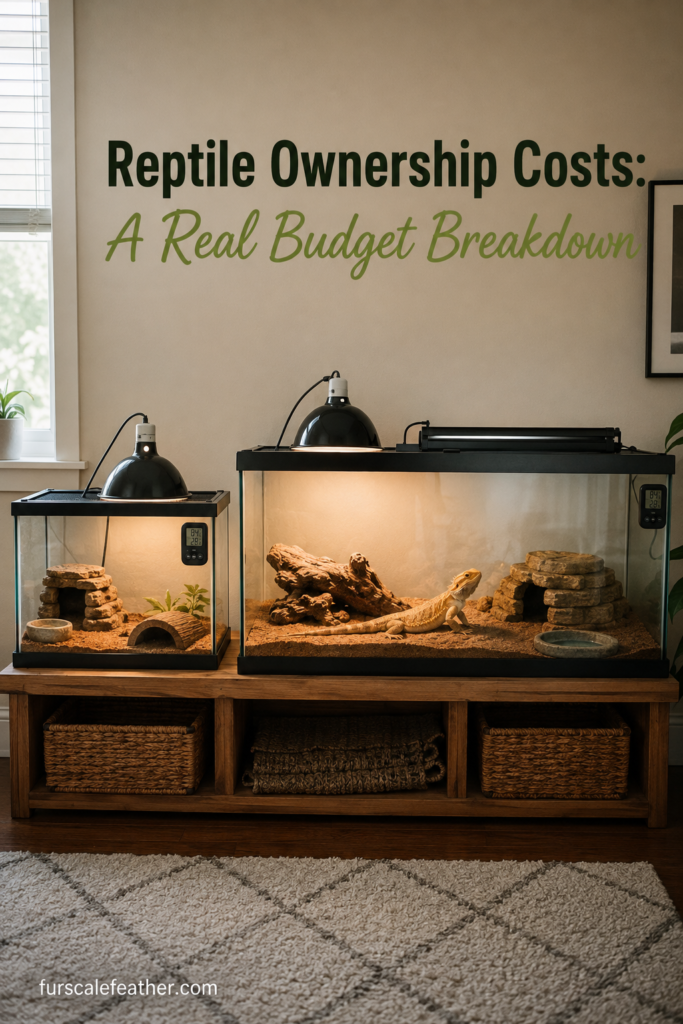
A reader told me she assumed her bearded dragon’s 20-gallon starter tank would work for his whole life, since that’s what the pet store recommended when she bought him. By month eight, he had outgrown it, and she had to buy a 40-gallon breeder tank plus a new UVB fixture sized for the larger enclosure, an unplanned $180 expense in month nine that she hadn’t budgeted for. The lesson she shared, and one I now pass along to other new owners, is to research the adult enclosure size before buying anything, and to buy the adult-sized setup from day one if your budget allows it. It costs more upfront but avoids paying twice.
Reptile Budget Guide: Tips To Lower Long-Term Costs
- Buy the adult-sized enclosure and equipment from the start instead of upgrading twice
- Set a reminder to replace UVB bulbs on a schedule rather than waiting for visible signs of failure
- Buy supplements and substrate in bulk when the species and setup are established, since per-unit cost usually drops
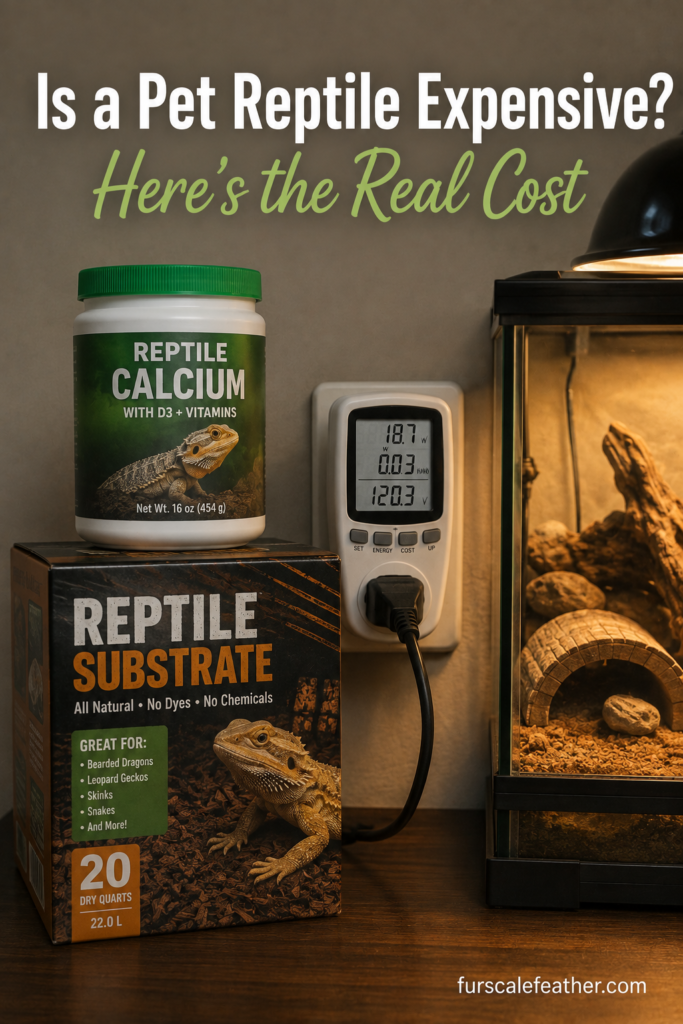
- Track your electricity use for a month using a simple plug-in energy monitor so you know your real cost instead of guessing
- Set aside a small monthly amount as a vet fund, since exotic vet visits tend to be less predictable than routine cat or dog checkups
Questions People Usually Ask
Is a reptile actually cheaper than a dog or cat over its lifetime? It depends heavily on species and lifespan. A short-lived species like a leopard gecko can be cheaper overall, but a ball python or tortoise living 20 to 50 years can add up to a similar or higher lifetime cost once you include decades of electricity, food, and equipment replacement.
What’s the single most expensive ongoing cost for reptile ownership? For most species it’s electricity, since heating and lighting equipment often runs for 10 to 14 hours a day, every day, for the animal’s entire life.
Do reptiles need regular vet visits like dogs and cats? Yes, an annual wellness exam with a vet experienced in exotics is recommended, even for reptiles that appear healthy, since many husbandry-related issues aren’t visible until they’re advanced. For any signs of illness, weight loss, or unusual behavior, consult a veterinarian rather than guessing at symptoms yourself.
Can I lower reptile costs by building my own enclosure? Yes, a DIY enclosure using a pre-built cabinet or shelving unit can cut costs meaningfully, but the heating, lighting, and thermostat equipment still needs to meet the same safety standards, so most of the savings come from the enclosure itself rather than the electronics.
Is pet insurance worth it for a reptile? Exotic pet insurance exists but is less common and more limited than dog or cat coverage. It’s worth pricing out for higher-value or longer-lived species, but many owners instead choose to self-fund a dedicated vet savings account.
The real long term costs of owning a pet reptile come from the setup you build once and the equipment you maintain for years, not from the price tag on the animal itself. Before bringing one home, price out the full adult-sized setup, estimate a realistic monthly cost for your specific species, and multiply that by its expected lifespan so you’re planning for the whole picture rather than just the first few months. If the number surprises you, that’s useful information now, while you can still adjust your plans, rather than six months into ownership. Whatever species you choose, a little budgeting upfront makes for a much steadier home for both of you.
Disclosures
This article includes product mentions for illustrative comparison purposes. Some product recommendations are based on manufacturer specifications and aggregated user/keeper reviews rather than personal hands-on testing, as disclosed above.