
You bring home a baby bearded dragon, set up the tank the pet store recommended, and within a week you’re on three different forums trying to figure out why the basking spot won’t hold temperature and whether the reptile carpet you bought is actually safe. Good bearded dragon terrarium setup ideas rarely come from a single store display. They come from knowing what the animal actually needs to regulate heat, dig, and feel secure, then building around that. This guide walks through a full setup beginners can trust, without guesswork.
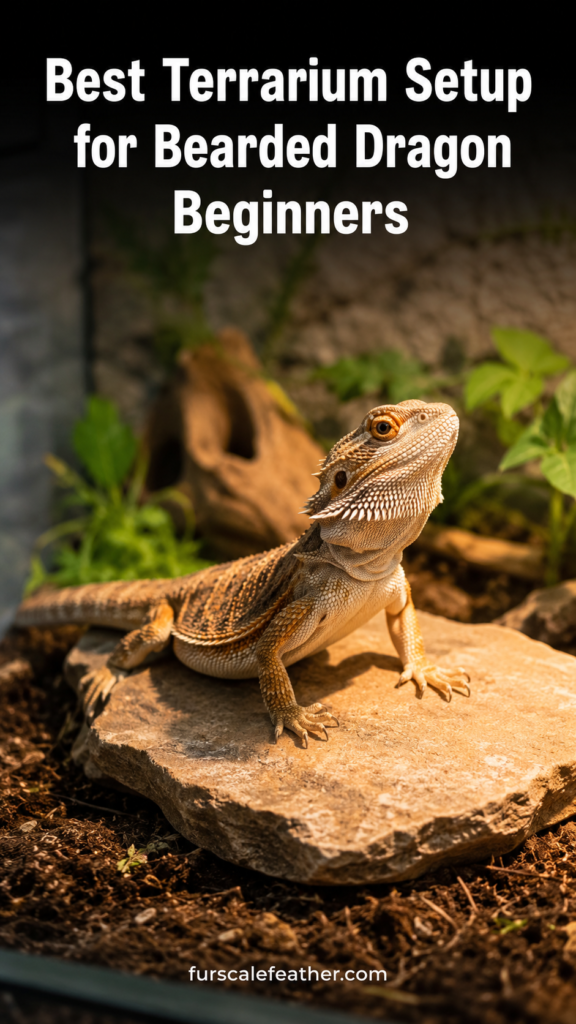
Bearded Dragon Terrarium Setup Ideas That Actually Work
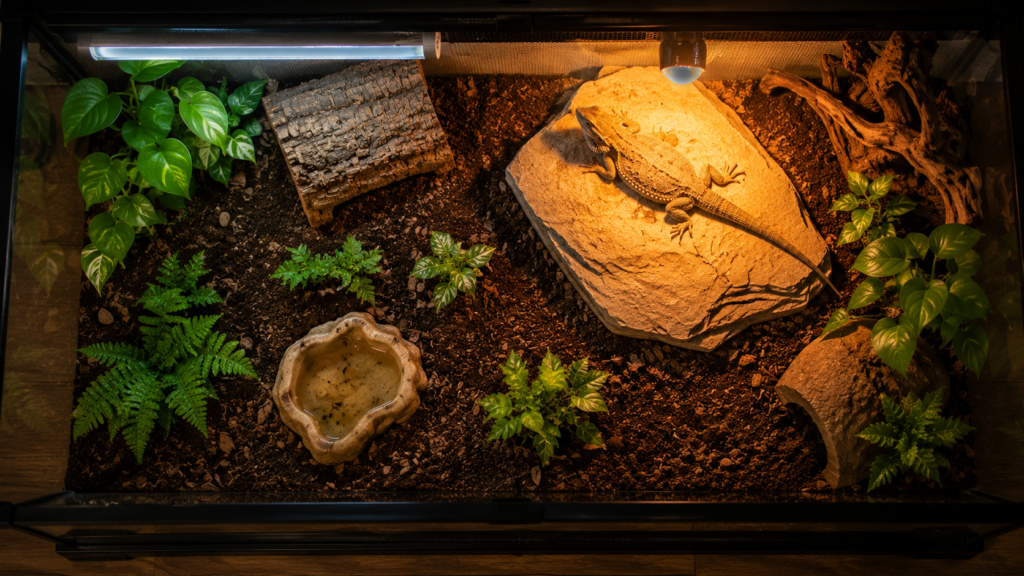
A workable setup comes down to five things: enough floor space, a strong basking and UVB source, a substrate that won’t cause harm if swallowed, hiding spots on both the warm and cool sides, and decor that gives the dragon something to climb and explore. Skip any one of these and you’ll likely be troubleshooting behavior or health issues later, things like glass surfing, poor appetite, or stuck shed. A juvenile can start in a 40 gallon breeder tank, but plan for an adult enclosure of at least 4 feet long by 2 feet deep by 2 feet tall. Buying the smaller tank as a stopgap usually means buying twice, so many keepers now start with the adult size from day one.
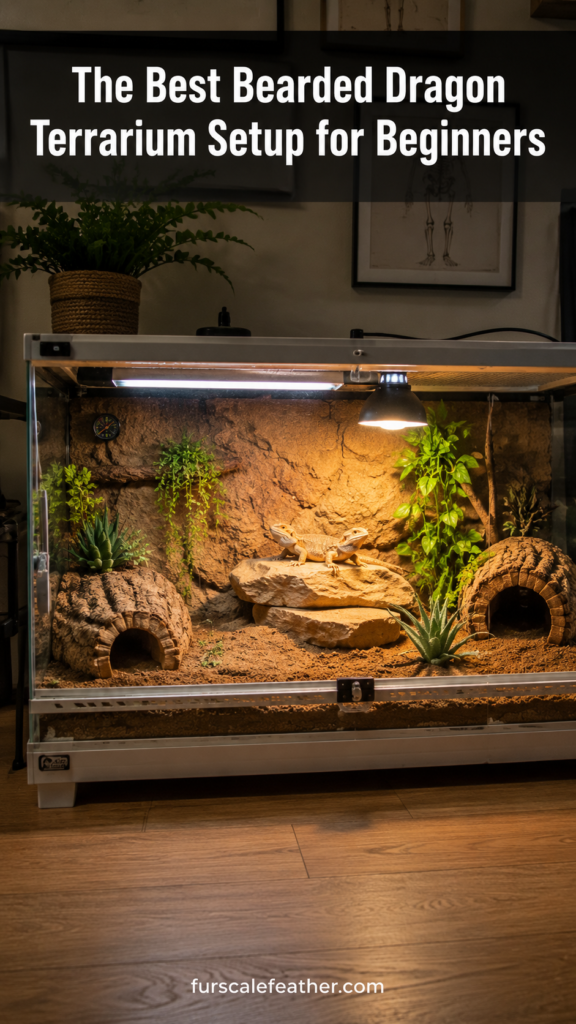
How to Set Up a Bioactive Bearded Dragon Enclosure Step by Step
A bioactive enclosure uses live plants and a cleanup crew (springtails and isopods) to break down waste, which cuts down on manual cleaning once it’s established. Here’s the order that avoids the most common setup mistakes.
- Pick the enclosure. A front-opening PVC or wood enclosure holds heat and humidity far better than an all-glass tank, which matters for both basking temperature and, if you go bioactive, moisture retention for the springtail population.
- Build the substrate layers. Start with a drainage layer of clay pebbles about 1 to 2 inches deep, add a mesh barrier, then 3 to 4 inches of a bioactive soil blend on top.
- Add the cleanup crew. Introduce springtails first and let them establish for one to two weeks before adding isopods, which gives the springtail population a head start.
- Plant it. Use hardy, non-toxic species like pothos, dwarf jade, or hens and chicks in the cooler zones, since bearded dragons will nibble on greenery.
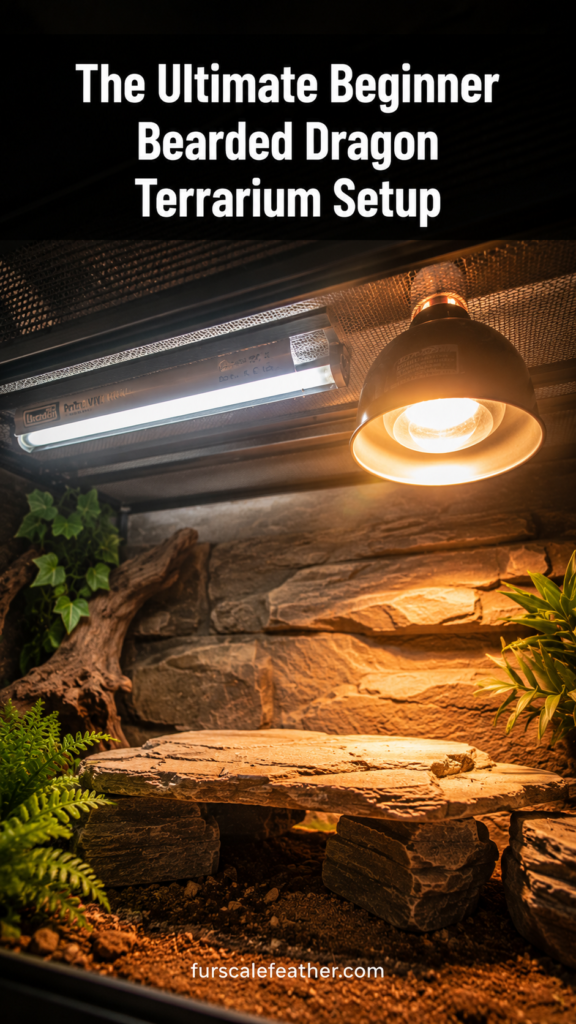
- Install lighting and heat. Mount a linear UVB fixture across most of the tank’s length and a separate basking bulb at one end, positioned so the basking surface hits 95 to 110°F for a juvenile and 95 to 105°F for an adult.
- Add hides and climbing decor. Place at least one hide on the warm side and one on the cool side so the dragon isn’t forced to choose between shelter and temperature.
- Cycle before move-in. Run the tank empty of your dragon for 2 to 4 weeks so plants root and the cleanup crew multiplies enough to keep up with waste.
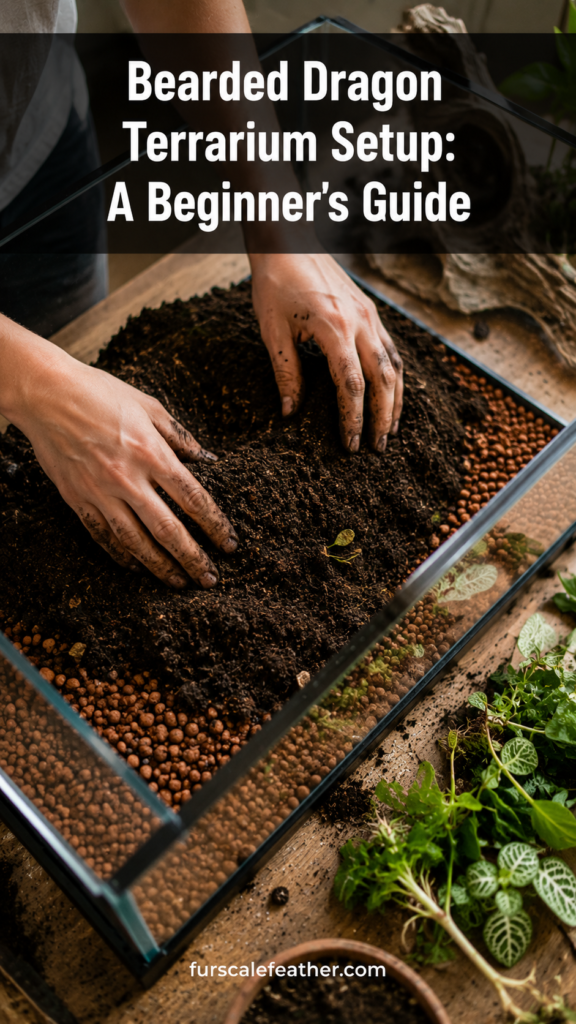
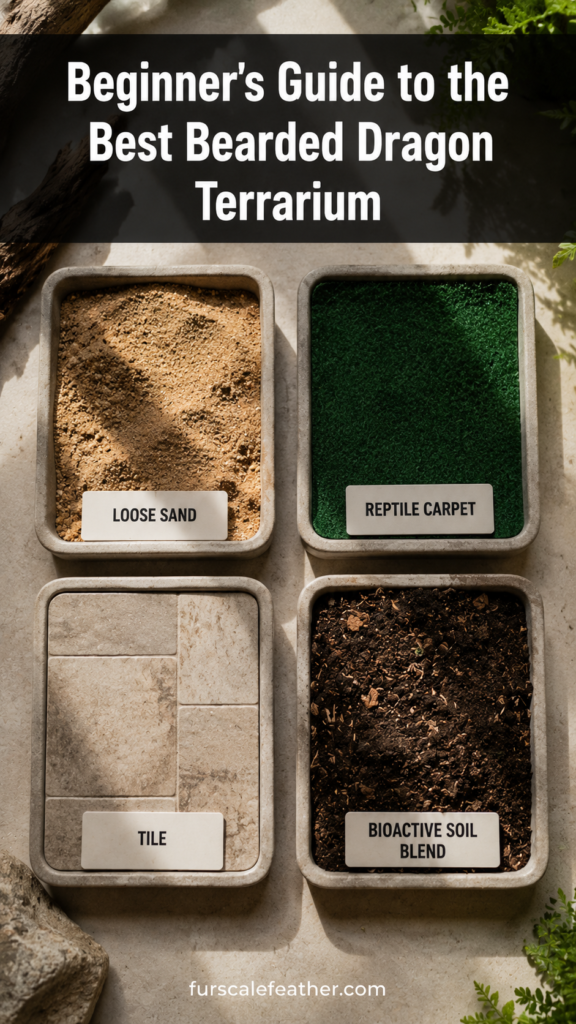
Best Substrate for Bearded Dragon Tanks
Substrate is the most argued-about part of any bearded dragon tank ideas thread, and for good reason: the wrong choice has sent animals to the vet.
- Paper towel or newspaper: Free, easy to spot-clean, zero risk of impaction, but it looks flat and doesn’t hold humidity or let a dragon dig.
- Reptile carpet: Reusable and low mess, but it can trap bacteria in the loops and doesn’t allow natural digging behavior.
- Tile: Holds heat well from an under-tank source and is easy to disinfect, though it offers no digging or burrowing option.
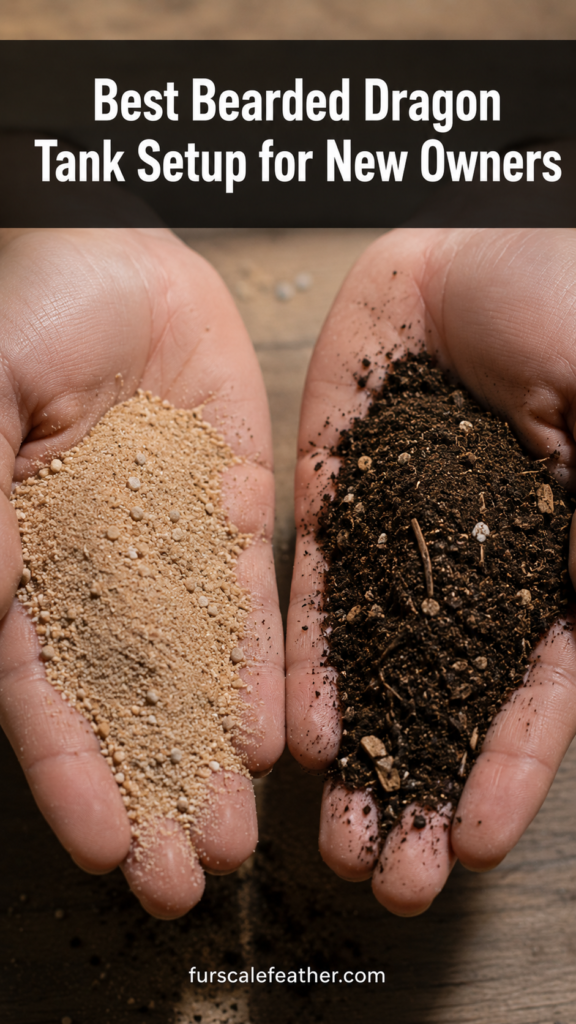
- Loose calcium sand: Marketed heavily for reptile tanks, but several exotic vets have raised concerns about impaction risk if particles are swallowed during feeding, especially in young dragons.
- Bioactive soil blend (a mix of organic topsoil, clay, sand, and fiber): Supports live plants and a cleanup crew, holds a light burrow shape, and in most tested blends is fine enough that accidental ingestion in small amounts passes without issue.
For a typical beginner terrarium substrate, a bioactive soil blend is the recommended winner. It gives the dragon a more natural reptile habitat to dig and forage in, and once the cleanup crew is established it needs far less manual scooping than loose sand or carpet.
A Mistake Worth Learning From
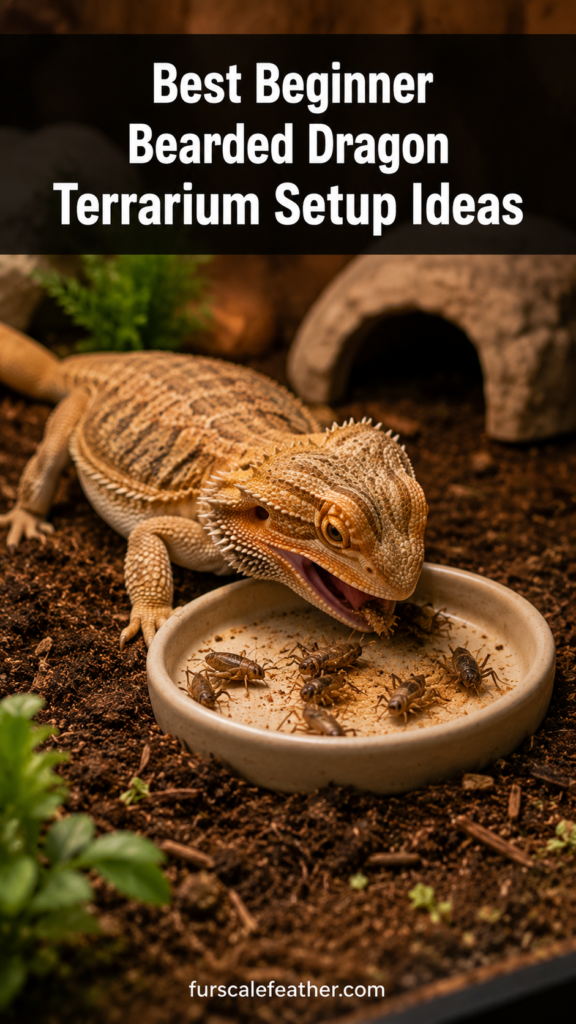
A reader in Arizona told me her nine month old bearded dragon, Rango, stopped eating for twelve days after she switched from reptile carpet to a loose calcium sand product she’d seen recommended online. An exotics vet examined Rango and suspected a mild impaction from ingested sand during feeding. She switched to a bioactive soil blend and started feeding insects in a shallow dish instead of directly on the substrate. Rango resumed normal eating within four days. Her main takeaway: the substrate that photographs best isn’t always the one that’s safest to feed on top of.
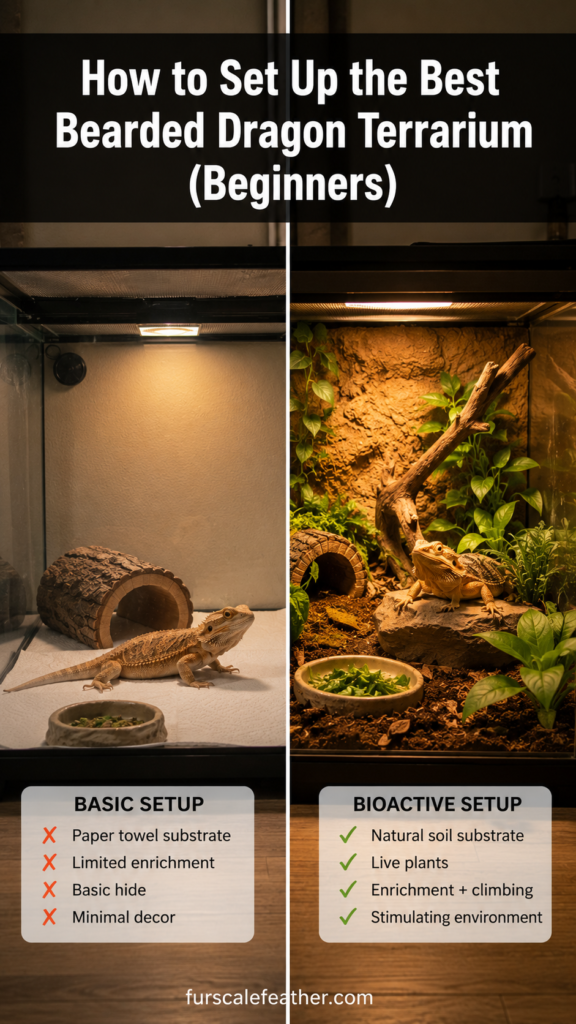
Bioactive vs Traditional Setup: Which Fits a Beginner Better
- Traditional (paper towel or tile, no live plants): Cheaper to start, faster to clean, and forgiving if you forget a step, but it looks plain and needs more frequent full cleanings.
- Bioactive (live plants, cleanup crew, soil blend): Higher upfront cost and a 2 to 4 week cycling period before your dragon moves in, but it cuts weekly maintenance once established and creates a more stimulating reptile habitat.
For most beginners who are ready to commit to the setup time, bioactive is the better long-term choice. The extra few weeks of patience at the start pays off in less scrubbing every month after.
Bearded Dragon Tank Decor Ideas for Function and Enrichment
Decor should do a job, not just fill space.
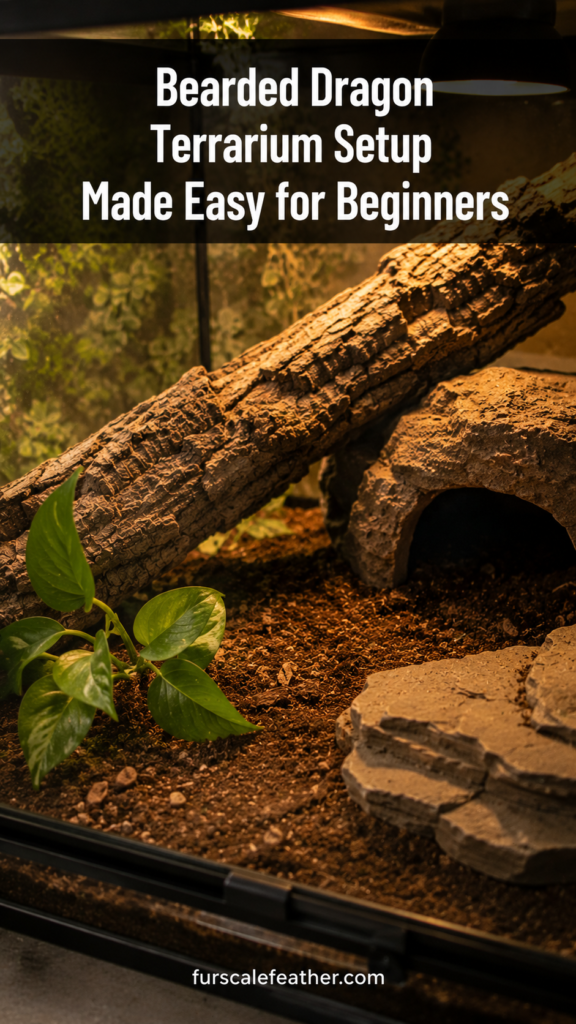
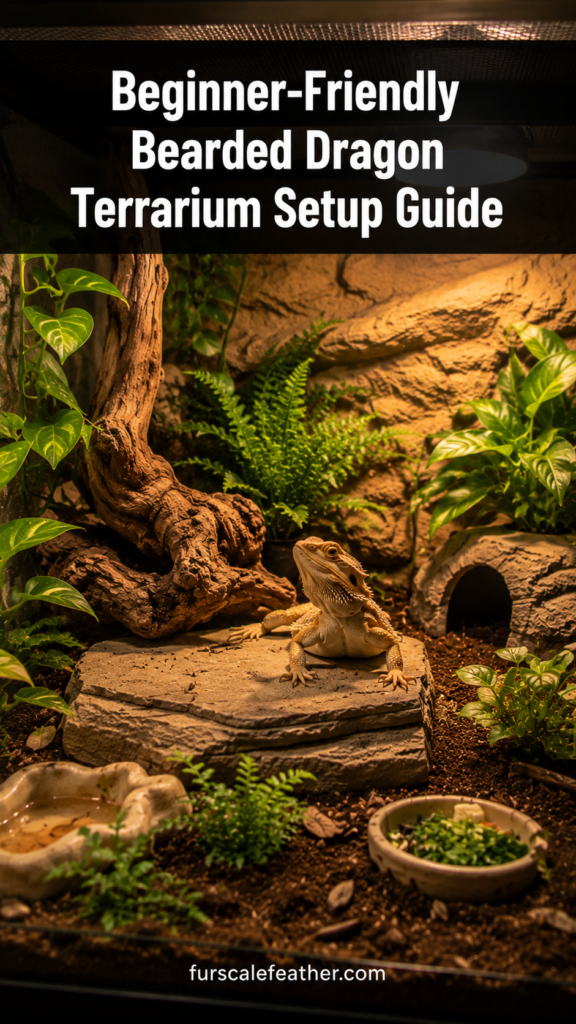
- A basking platform, like a large flat rock or ledge, positioned directly under the heat bulb.
- At least two hides, one on the warm end and one on the cool end.
- Sturdy branches or cork bark for climbing, since bearded dragons bask at different heights in the wild.
- A shallow water dish, sized so a juvenile can’t tip it or drown in it.
- A background piece, either 3D foam or a printed panel, which also helps hold humidity slightly higher on that side.
A local reptile rescue that fosters surrendered bearded dragons tested branch placement across a dozen enclosures and found dragons used diagonal branches leading toward the basking spot far more often than horizontal ones placed elsewhere in the tank.
Lighting and Heating Product Picks
I haven’t personally tested every bulb on the market, so these picks come from manufacturer lab data, independent UVI testing, and feedback from long-time keepers.
- Arcadia Pro T5 HO Reptile Lamp: Independent UVI testing consistently shows it holds a stronger, more even output across the fixture’s length compared to many T5 competitors, which matters since UVB output drops off toward the ends of a tube.
- Zoo Med ReptiSun T5 HO: A widely used, more budget-friendly option with solid output near the center of the tube, though testing shows a steeper drop-off toward the edges than the Arcadia.
For a beginner setup, the Arcadia Pro T5 HO is the recommended winner because the more even output across the tube means fewer dead zones where UVB is too weak, which matters most in a wider bioactive enclosure.
Safe Reptile Bedding: What to Avoid and What Works
I interviewed a reptile veterinarian about the substrate debate, and her main point was straightforward: no substrate is 100% risk-free, but particle size and feeding habits matter more than the marketing on the bag. She recommended feeding insects from a dish rather than loose on any substrate, checking that a new dragon is eating and passing waste normally in the first two weeks, and calling an exotics vet promptly if a dragon stops eating for more than a few days or shows straining, bloating, or lethargy. She was clear that this isn’t a diagnosis tool, just a general safety habit, and that any suspected impaction needs an in-person vet exam.
Questions People Usually Ask
What is the best substrate for a bearded dragon terrarium? A bioactive soil blend is generally the safest and most functional choice for most keepers, since it supports digging and live plants while carrying low impaction risk compared to loose sand.
Do bearded dragons need a bioactive enclosure? No, a traditional setup with paper towel or tile works fine and is easier for a first-timer, but a bioactive terrarium for beginners tends to need less manual cleaning once it’s cycled and running.
What size tank does a beginner bearded dragon need? A juvenile can start in a 40 gallon breeder, but plan to move to at least a 4 by 2 by 2 foot enclosure by adulthood.
How long does it take to cycle a bioactive terrarium? Most keepers cycle the tank empty for 2 to 4 weeks so plants root and the cleanup crew population grows enough to keep pace with waste.
Is sand safe for bearded dragon tanks? Loose calcium sand carries a documented impaction risk, especially in younger dragons, so many exotic vets recommend feeding from a dish and choosing a bioactive soil blend or solid substrate instead.
Getting a bearded dragon terrarium set up right the first time saves you from redoing the substrate, rearranging the heat zones, or making an emergency vet trip down the road. Start with the enclosure size and lighting, since those are the hardest to change later, then build the substrate and decor around them. If you’re leaning bioactive, give the tank its full cycling time before your dragon moves in. Whatever setup you land on, keep an eye on appetite and waste in the first couple of weeks, since that’s the clearest early sign the setup is working.
Disclosure: Product picks in this article are based on manufacturer lab data, independent UVI testing, and aggregated keeper feedback rather than personal, hands-on testing. This article contains no paid sponsorships or affiliate placements as written.