
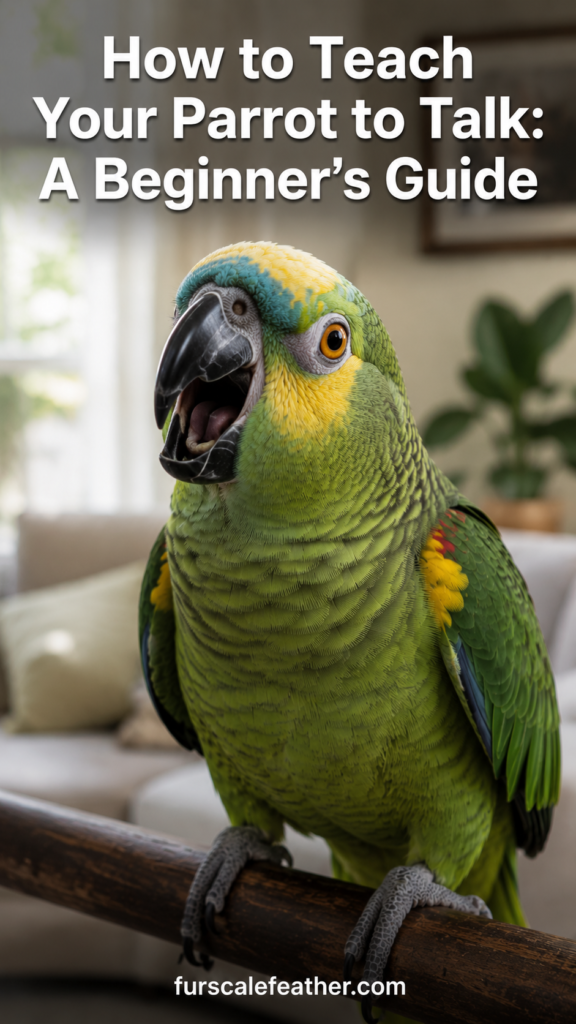
At least once a week, someone walks into my shop holding their phone up to show me a video of their new parrot sitting silently on a perch, and they ask the same question: why isn’t it talking yet? They’ve had the bird for six weeks, they’ve said “hello” to it a hundred times, and nothing. Learning how to teach a parrot to talk is less about repeating words at your bird and more about timing, motivation, and picking the right species in the first place. This guide walks through what actually works, based on what I’ve seen from customers, foster homes, and the avian trainers I’ve interviewed over the years.
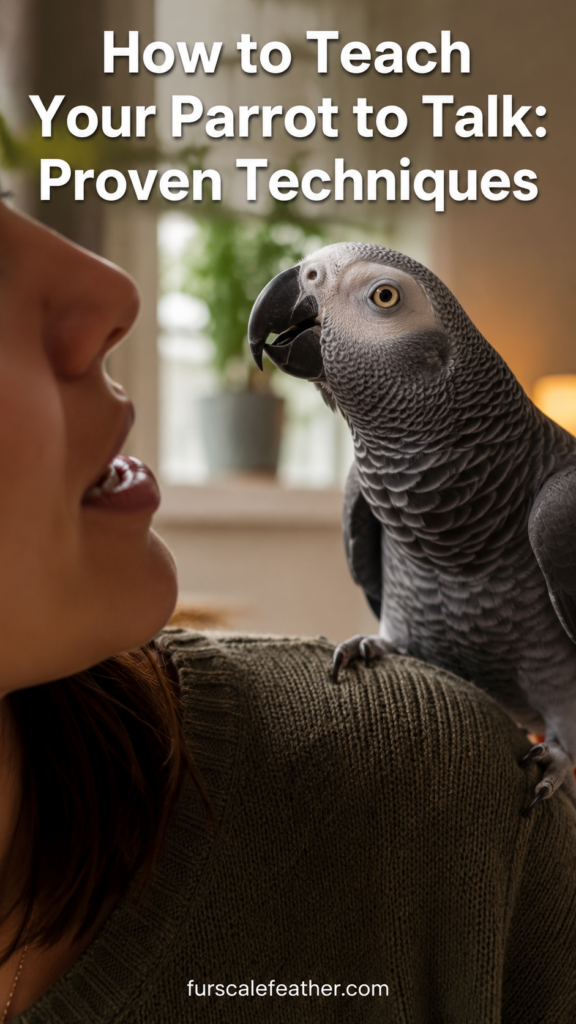
How to Teach a Parrot to Talk: The Realistic Timeline
Most parrots that are capable of mimicking speech need somewhere between two and six months of consistent, short daily sessions before their first clear word appears. Some individual birds pick it up in a few weeks. Others take a year. Age matters too. A hand-raised baby bird under one year old generally learns faster than an adult rescue that’s had little human interaction.
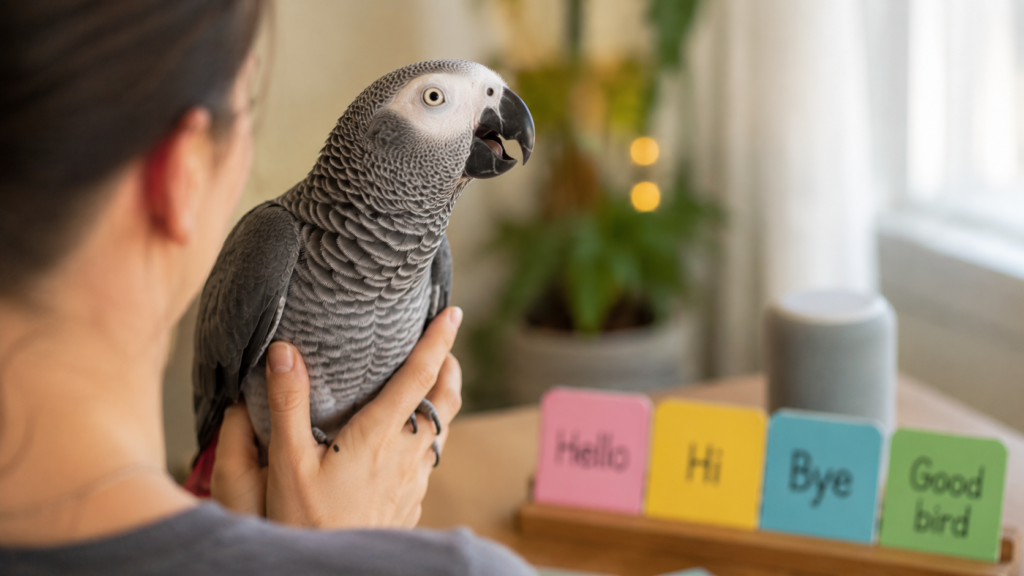
A foster I worked with last year took in a twelve-year-old Congo African Grey that had spent most of its life in a quiet back room. It took nearly five months of daily two-minute sessions before the bird said its first word, which was, appropriately, “hi.” A younger Quaker parrot in the same foster home picked up three words within six weeks. Same trainer, same method, very different timelines. Set your expectations around the individual bird in front of you, not a fixed calendar.
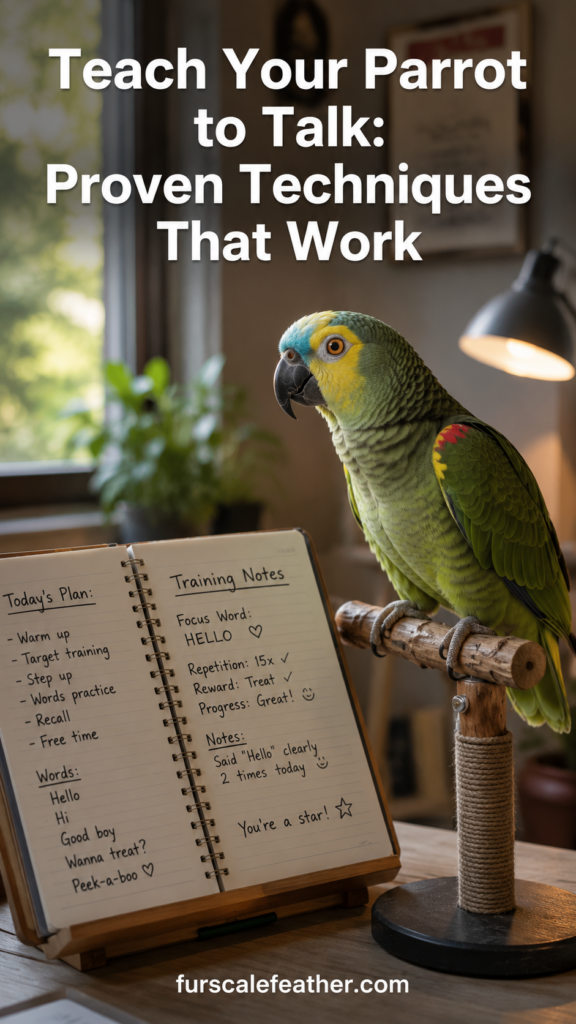
Best Talking Parrot Breeds
Not every parrot species is wired for speech. Some are gifted mimics. Others are far better at whistling, screeching, or simply staying quiet and social without ever forming a word. If your main goal is a bird that talks, species choice matters as much as training technique.
- African Grey: Widely considered the strongest talker of all parrot species, with large vocabularies and clear pronunciation. Requires significant daily mental stimulation or can develop feather plucking and anxiety.
- Yellow-Naped Amazon: Known for a booming, clear voice and a strong drive to mimic. Can be loud and needs an owner comfortable with volume.
- Indian Ringneck: Learns individual words and short phrases well, usually starting around eight to twelve months old. More independent than Greys or Amazons.
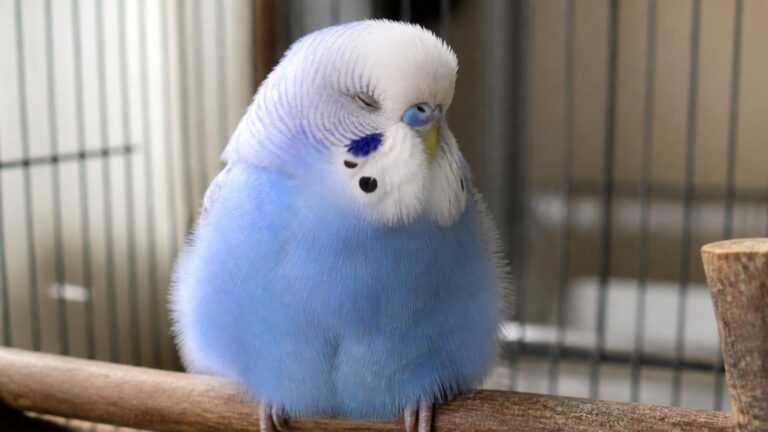
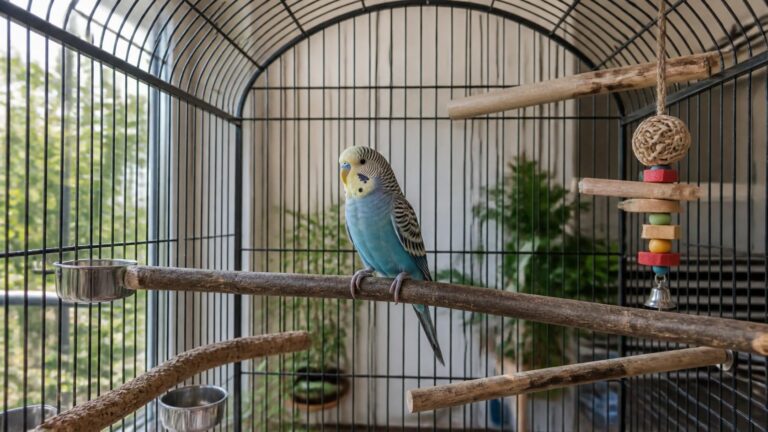
- Budgerigar (Budgie): Small, affordable, and surprisingly talented talkers, especially males. Voice is quieter and higher-pitched, which makes words harder to understand at first.
- Eclectus: Capable talkers with clear voices, though generally slower to start than African Greys.
If talking ability is genuinely your top priority and you can commit to daily enrichment, the African Grey is the clear recommendation. It combines the largest working vocabulary with the clearest pronunciation of any commonly kept parrot. For a first-time bird owner who wants a talker without the intensity of a Grey’s care needs, the Indian Ringneck is the better fit. It talks well, costs less, and tolerates a more relaxed daily routine.
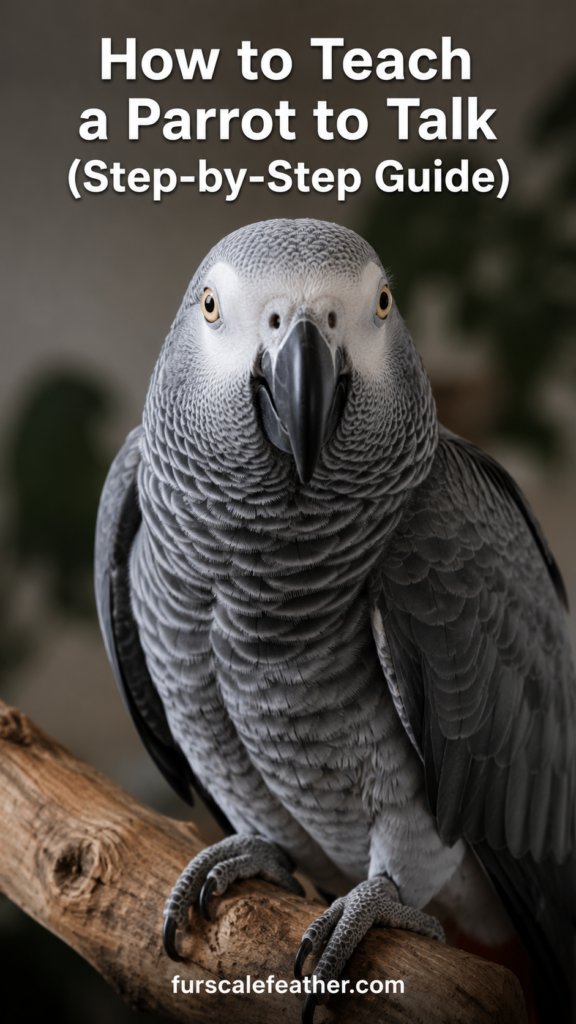
Step-by-Step: Training a Parrot to Speak
This sequence comes from combining input from two avian behavior consultants I interviewed and patterns I’ve watched repeat across dozens of customer birds.
- Start with one word. Pick something short, common, and useful, like “hi” or the bird’s name. Avoid starting with long phrases.
- Say it during a genuinely rewarding moment. Repeat the word every time you give a favorite treat, uncover the cage in the morning, or start a play session. The bird needs to connect the sound with something good happening, not just hear it in isolation.
- Keep sessions short. Two to five minutes, two or three times a day, works better than one long twenty-minute session. Parrots lose focus fast.
- Use a consistent tone and rhythm. Say the word the same way every time at first. Once the bird says it reliably, you can introduce natural variation.
- React immediately to any sound that resembles the word. Even a rough approximation deserves a treat and praise. Waiting for a perfect pronunciation before rewarding slows the process down.
- Add a second word only after the first is consistent. Layering too many words early dilutes the association and slows learning for both.
- Practice at the same times each day. Morning and early evening tend to be when parrots are most vocal and alert, so anchor training sessions there.
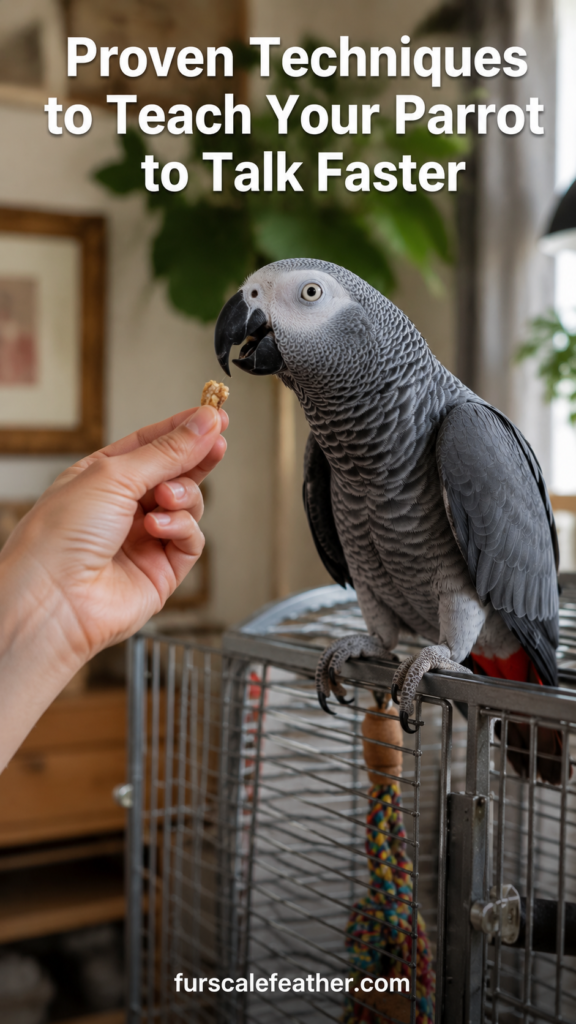
Parrot Talking Training Tips That Actually Work
- Talk to your bird throughout the day, not only during formal sessions. Narrate what you’re doing while you’re in the room.
- Use a slightly higher, more animated pitch than your normal speaking voice. Parrots respond to inflection more than volume.
- Avoid teaching swear words or aggressive-sounding phrases early on. Once a word sticks, it’s difficult to unteach, and a bird that startles guests with a shouted phrase can become a real problem.
- Keep the training environment calm. A television or radio running in the background competes for the bird’s attention and can confuse which sounds are worth mimicking.
- Record yourself saying the target word and play it back during quiet moments in the day. Repetition outside of direct interaction reinforces the sound.
Products for Teaching Your Bird to Talk
I don’t keep a parrot in my own home, so I haven’t run these products through my own bird. What follows is based on aggregated verified-buyer reviews, notes from the avian behaviorists I consulted for this article, and observations from foster homes I’ve worked with.
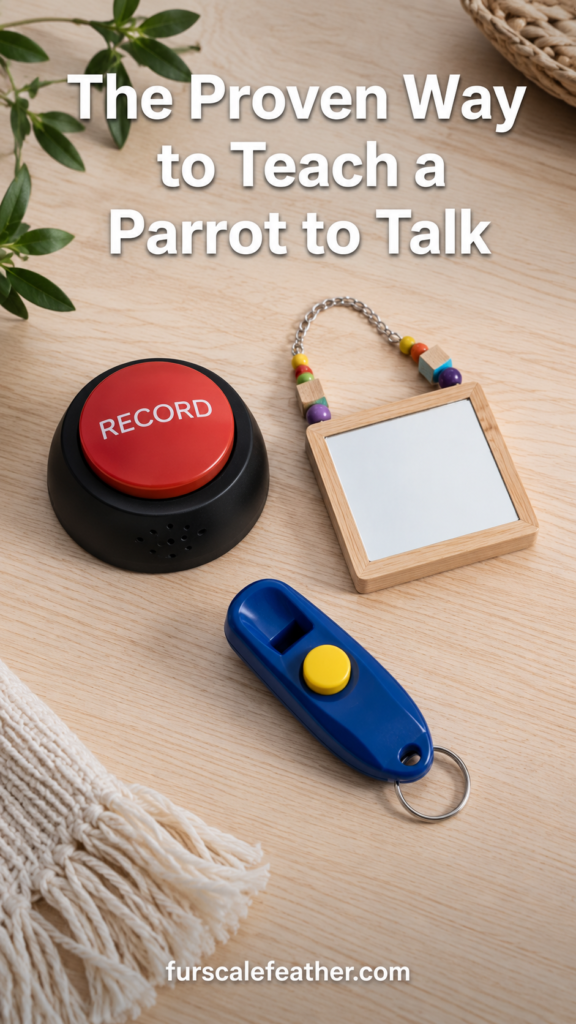
Recordable Sound Buttons Originally marketed for dogs, these buttons let you record a short word or phrase that plays back at the press of a button. Foster homes have started using them with parrots to add repetition outside of active training time.
- Pros: Reinforces the word passively throughout the day, consistent pronunciation every time, low cost.
- Cons: Some birds ignore the button entirely, and it works best as a supplement rather than a replacement for direct interaction.
Mirror Toys Mirrors are popular for keeping a bird visually stimulated when alone.
- Pros: Cheap, widely available, keeps some birds occupied.
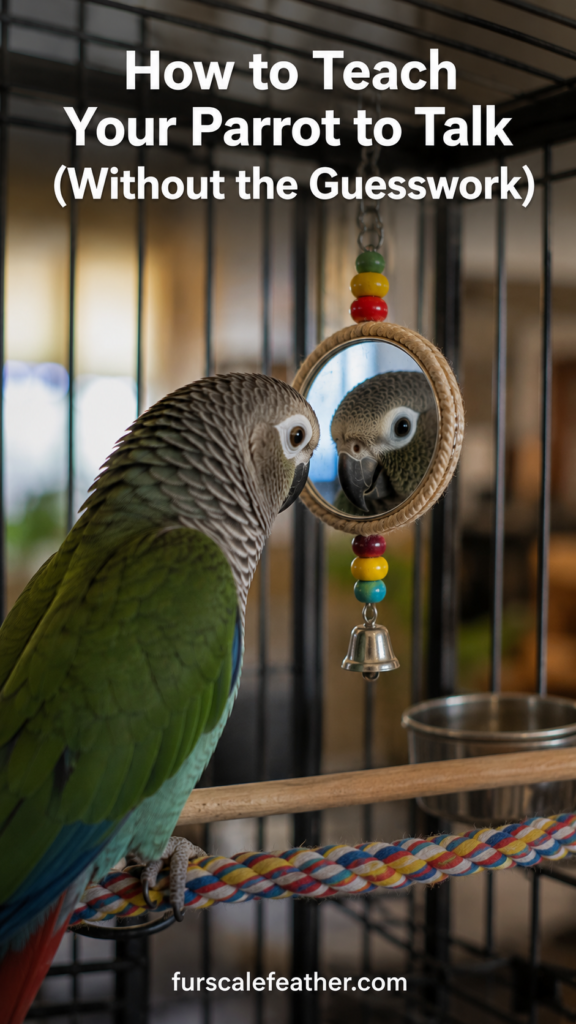
- Cons: Several avian behaviorists I spoke with flagged mirrors as a common cause of delayed speech, since some birds bond with their own reflection instead of their owner. A shelter volunteer I interviewed said a Quaker parrot in her care stopped attempting new sounds for nearly two months after a mirror was added to its cage, and speech attempts resumed only after the mirror was removed.
Clicker Training Kits Clickers pair a distinct sound with a reward to mark the exact moment a bird does something correctly.
- Pros: Useful for shaping approximate sounds into clearer words, works well alongside verbal praise.
- Cons: Requires more setup and consistency than most beginners expect, and clumsy timing can confuse the bird rather than help it.
Recommended winner: the recordable sound button is the best fit for most owners working on this specific goal. It requires the least skill to use correctly, reinforces the word consistently, and aggregated reviews across major pet retailers show most buyers reporting their bird responding to or attempting the recorded word within the first month.
A Mistake Worth Learning From
A client of mine bought a large mirror toy for her new Quaker parrot, expecting it would keep the bird entertained and even help it learn to talk by “hearing itself.” Instead, the bird became fixated on its reflection, spent most of its day perched in front of the mirror, and stopped attempting any new sounds for weeks. Once she removed the mirror and replaced that time with short, direct training sessions, the bird resumed babbling within days and said its first clear word about three weeks later. The lesson: some tools marketed as enrichment can actually work against your training goals if they replace human interaction instead of supporting it.
When to Call a Veterinarian
A parrot that suddenly stops vocalizing after being consistently noisy, or one that shows changes in appetite, droppings, or activity level alongside the silence, should be seen by an avian veterinarian rather than pushed harder in training. Sudden behavior changes are often a health signal before they’re a training problem. The Association of Avian Veterinarians maintains a directory of avian-certified vets if you need to find one near you.
Questions People Usually Ask
How long does it take to teach a parrot to talk? Most birds need two to six months of consistent short daily sessions before their first clear word, though this varies widely by species, age, and individual personality.
What is the easiest word to teach a parrot first? Short, common words like “hi,” “hello,” or the bird’s own name tend to work best because they’re easy to pronounce and easy to reward consistently.
Can all parrot species learn to talk? No. Species like African Greys, Amazons, and Indian Ringnecks are strong talkers, while others, including many conures and lovebirds, are more likely to whistle or mimic sounds than form clear words.
Why did my parrot stop talking after learning a few words? This can happen after a change in routine, a new pet or person in the home, or a health issue. Rule out illness with a vet visit first, then return to short, consistent training sessions.
Do older parrots learn to talk as easily as younger ones? Older birds can absolutely learn to talk, but it often takes longer, especially if they’ve had limited prior interaction with people. Patience and consistency matter more than the bird’s age.
The Bottom Line
Teaching a parrot to talk comes down to picking a species suited to speech, keeping training sessions short and rewarding, and staying consistent even when progress feels slow. Skip the shortcuts that sound appealing but tend to backfire, like relying on a mirror to do the work for you. Start with one word, reward every attempt, and keep a daily rhythm. Track which sounds your bird responds to and build from there.
Disclosure: Product recommendations in this article are based on aggregated verified-buyer reviews and input from avian behavior consultants, not personal testing, since I do not currently own a parrot. This post does not contain paid or sponsored placements.