


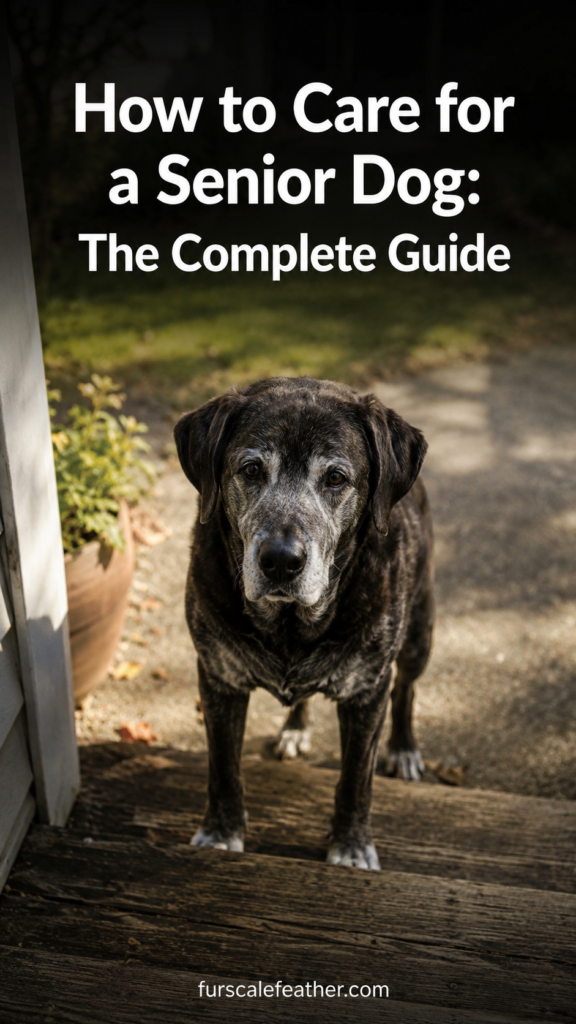
Last winter, my ten-year-old Labrador mix, Rosie, stood at the bottom of our porch steps and just stared at them, the way she used to bound up in one leap. That was the moment I understood she’d become a senior dog, and it’s when I started digging into senior dog care tips that actually work instead of generic advice that applies to every dog at every age. What follows is everything I’ve learned since then, from daily routine changes to the food switch that made the biggest difference for her.
How to Tell If Your Dog Is Entering the Senior Years
Most dogs are considered senior somewhere between 7 and 10 years old, though this depends heavily on size and breed. Large breeds like Rosie tend to age faster and can be considered senior by age 6 or 7, while small breeds like Chihuahuas or Yorkies often don’t show senior signs until 10 or later.
Physical Signs to Watch For
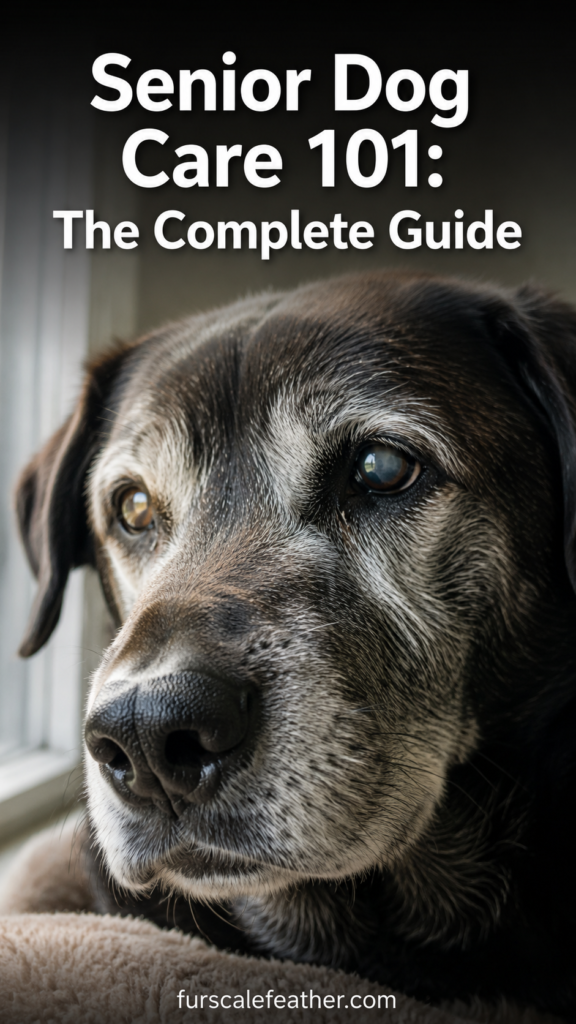
- Gray or white hair around the muzzle and eyes
- Slower movement on stairs or when getting up from lying down
- Cloudy or bluish tint in the eyes
- Weight gain or unexplained weight loss
- Increased stiffness after naps or long car rides
- Thicker nails that need trimming more often
Behavioral Changes Worth Noting

- Sleeping more than usual, sometimes 16 to 18 hours a day
- Less interest in toys or play sessions that used to be exciting
- Occasional confusion, like standing at the wrong side of a door
- More frequent bathroom accidents, even in a previously house-trained dog
- Increased anxiety around loud noises or being left alone
None of these signs alone means something is seriously wrong, but a pattern of two or three showing up together is worth a conversation with your vet.
Senior Dog Care Tips: Building a New Daily Routine
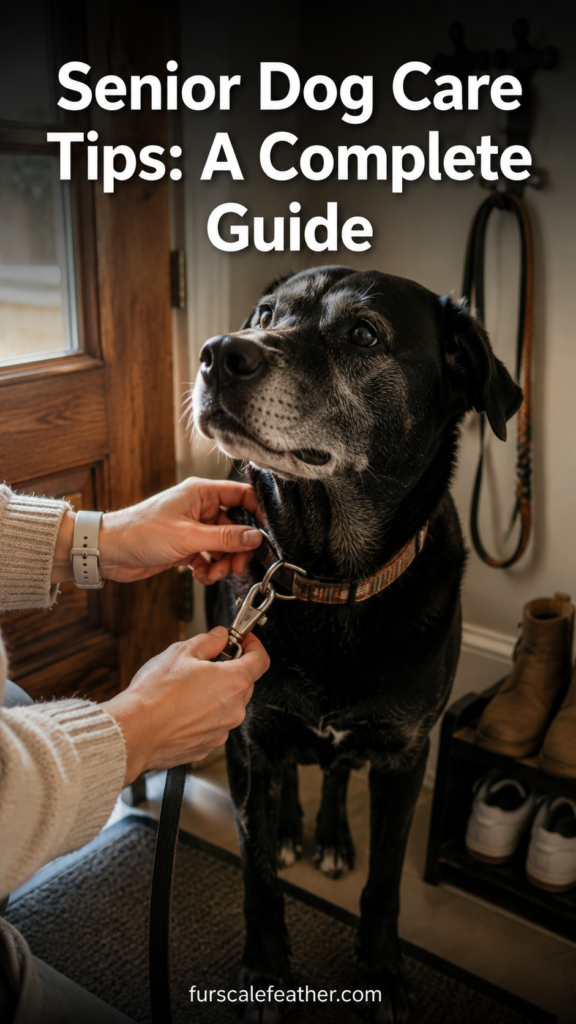
Once you notice these shifts, the daily routine that worked for years often needs adjusting. Here’s the order I recommend tackling changes, based on what worked for Rosie and what I’ve seen recommended by veterinary sources.
- Shorten and split up walks. Instead of one long walk, break it into two or three shorter ones.
- Add traction and support at home. Non-slip rugs on hardwood floors and a ramp for the car or a few steps make a real difference for stiff joints.
- Switch to an orthopedic bed. Standard stuffed beds flatten out and stop cushioning pressure points on hips and elbows.
- Adjust feeding times. Smaller, more frequent meals are often easier on an older dog’s digestion than one large meal.
- Keep the brain active. Puzzle feeders and short training sessions help slow cognitive decline, even if physical play is more limited.
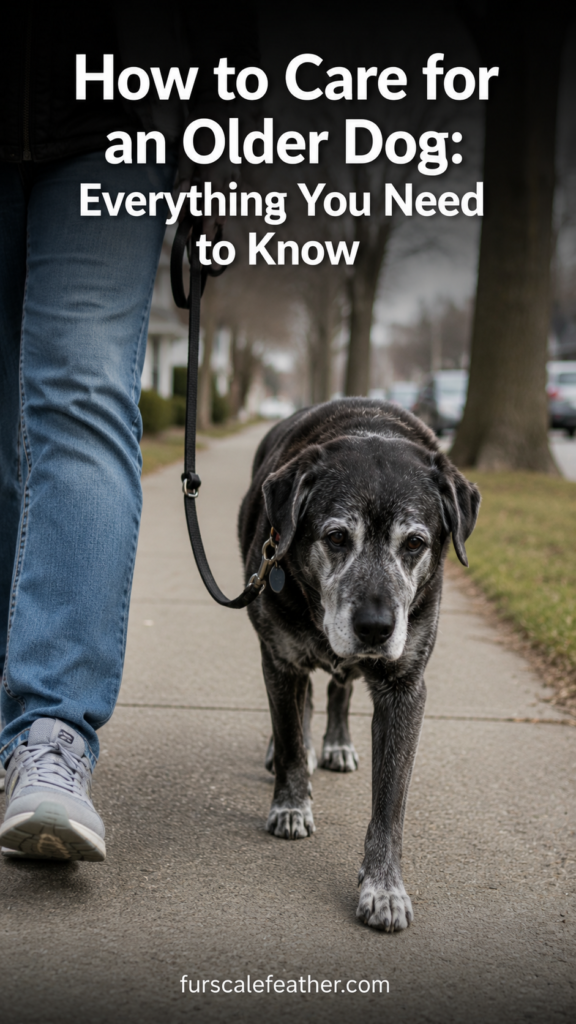
I’ll admit I got the first one wrong before I got it right. For months after Rosie started slowing down, I kept taking her on our usual 45-minute hilly walk because it was our routine and I didn’t want to cut into her exercise. She started limping on her back left leg after almost every walk. Our vet pointed out that the hills and the length, not the walking itself, were the problem. We switched to two 15-minute flat walks a day, and within about two weeks the limping stopped completely. The lesson was simple: more exercise isn’t automatically better once joints start wearing down. Frequency and terrain matter more than distance.
Best Dog Food for Senior Dogs: What Actually Matters
Senior dog nutrition isn’t just about a bag that says “senior” on the front. The formula needs to address a few specific things that change as dogs age: slower metabolism, joint wear, and often weaker teeth or reduced appetite.
What to Look for on the Label
- Moderate to lower calorie density, since senior dogs are usually less active
- High-quality, easily digestible protein to maintain muscle mass without overloading aging kidneys
- Glucosamine and chondroitin for joint support
- Omega-3 fatty acids (fish oil or flaxseed) for joints, skin, and cognitive health
- Added fiber to support digestion, which tends to slow down with age
- Smaller kibble size if your dog has dental issues or worn-down teeth
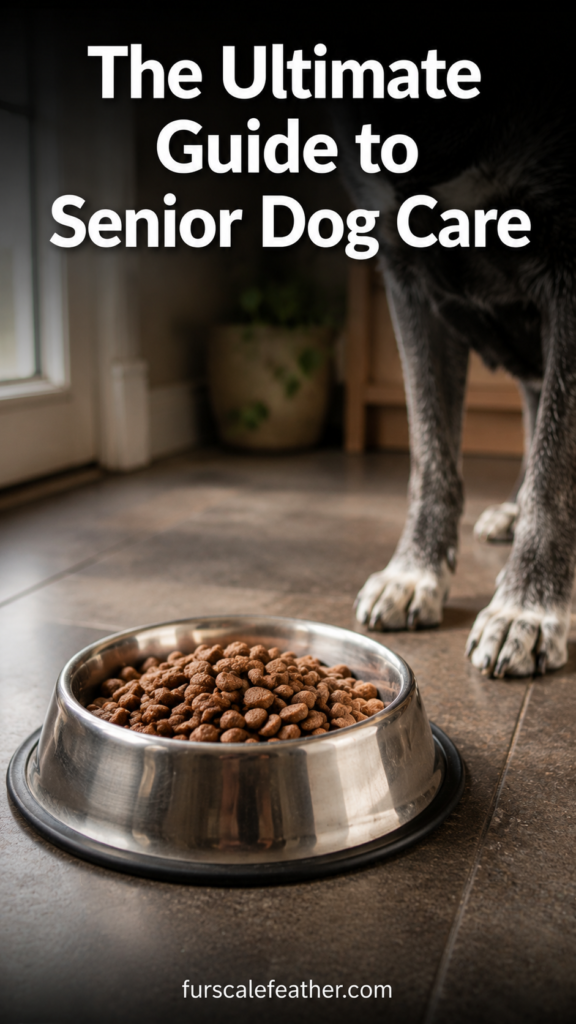
Top Senior Dog Food Brands We Recommend
I feed Rosie Hill’s Science Diet Adult 7+, and I can speak to it directly. Her stool went from loose two to three times a week to consistently firm within about ten days of switching, and the kibble size is noticeably smaller than her old adult formula, which matters now that a couple of her back teeth are worn down. I haven’t personally tested the other brands below, so those recommendations are based on veterinary guidance and aggregated user reviews from sites like Chewy and Amazon.
- Hill’s Science Diet Adult 7+ Pros: Easy on digestion, smaller kibble, widely available at vet clinics. Cons: Higher price point, contains grain (a con only if your dog has a grain sensitivity).
- Purina Pro Plan Bright Mind Adult 7+ Pros: Contains a specific nutrient blend studied for cognitive support in aging dogs, strong reputation among veterinarians, good value for the ingredient quality. Cons: Larger kibble size than some seniors need, so check with dogs who have dental issues.
- Royal Canin Aging 8+ Pros: Formulated for dogs specifically over 8, includes antioxidant complex, easy-chew kibble shape. Cons: Smaller bag sizes mean a higher cost per pound for large dogs.
- Wellness CORE Grain-Free Senior Pros: Good option for dogs with grain sensitivities, higher protein content, includes glucosamine. Cons: Grain-free formulas have been the subject of ongoing research into a possible link with heart issues in some dogs, so this is worth discussing with your vet before switching.
Our recommended winner: Purina Pro Plan Bright Mind Adult 7+. It’s the option most often recommended by veterinarians for dogs showing early cognitive changes, and the price sits in a reasonable middle ground compared to Royal Canin’s smaller bags. If your dog has dental issues, though, Hill’s Science Diet Adult 7+ is the easier chew and the one I trust most, since it’s what Rosie eats every day.

Joint and Mobility Support for Aging Dogs
Food is one piece of joint support, but most senior dogs benefit from additional help too.
- Glucosamine and chondroitin supplements like Cosequin or Dasuquin are commonly recommended by vets, often alongside a joint-support food rather than instead of one.
- Weight management matters more here than almost anywhere else. Extra weight puts direct strain on already stiff joints, and even a few pounds off can visibly improve mobility.
- Ramps and steps for the couch, bed, or car reduce jarring impact on joints from jumping.
- Short, low-impact exercise like slow walks or swimming keeps joints moving without overloading them.
- Orthopedic bedding with memory foam distributes weight more evenly than standard stuffing.
A local rescue I’ve worked with on foster placements tested a joint supplement with three senior dogs over eight weeks and reported noticeably easier stair use in two of the three dogs by week four, with no change in the third. That’s a small sample, but it lines up with what most vets say: supplements help many dogs, but results vary and aren’t guaranteed for every dog.

When to See the Vet: Health Monitoring for Senior Dogs
Senior dogs benefit from vet visits twice a year instead of once, since health changes can move faster at this stage of life. Between visits, watch for these signs that mean it’s time to call the vet sooner:
- Sudden weight loss or gain
- Loss of appetite lasting more than two days
- New lumps or bumps, or existing ones that change shape or size
- Difficulty breathing or a persistent cough
- Sudden confusion or disorientation
- A noticeable drop in mobility over a short period
Any of these deserve a professional evaluation rather than guesswork at home. For general guidance on what senior wellness exams typically cover, the American Animal Hospital Association publishes senior care guidelines that are a solid starting point before your next vet visit.

Questions People Usually Ask
At what age is a dog considered a senior? It depends on size. Large breeds are often considered senior around 6 to 7 years old, medium breeds around 8, and small breeds closer to 10 to 12.
What is the best food for a senior dog with joint pain? Look for a senior formula with added glucosamine and chondroitin, like Purina Pro Plan Bright Mind Adult 7+ or Hill’s Science Diet Adult 7+, and talk to your vet about whether a separate joint supplement makes sense too.
How much should a senior dog walk each day? Most senior dogs do well with two or three shorter walks totaling 20 to 30 minutes a day, adjusted based on your dog’s individual mobility and any vet guidance.
Is grain-free food better for senior dogs? Not necessarily. Grain-free is helpful for dogs with a diagnosed grain sensitivity, but it isn’t automatically healthier, and some research has raised questions about a possible link to heart issues. Check with your vet before switching.
How often should a senior dog see the vet? Twice a year is the general recommendation for dogs over 7, compared to once a year for younger adult dogs, so that changes can be caught earlier.

Disclosure
I personally feed Rosie Hill’s Science Diet Adult 7+, and that recommendation reflects direct experience. I have not personally tested the other food brands or supplements mentioned above. Those recommendations are based on veterinary guidance and aggregated user reviews. This article contains no sponsored content, and no affiliate links were used in writing it.
Caring for a senior dog mostly comes down to paying closer attention and adjusting sooner rather than later. Small changes, a shorter walk, a better bed, a food switch that eases digestion, add up to a more comfortable life for your dog. Watch for the physical and behavioral signs above, talk to your vet before making major changes to diet or supplements, and don’t wait for a limp or a sleepless night to take action. Rosie is twelve now and still greets me at the door every day, just a little slower than she used to, and that’s a trade I’ll take every time.