
Three years ago, my cat Mimi’s litter box turned my studio apartment into a place I didn’t want guests walking past. I tried four different litters in six weeks before finding one that actually stopped the smell instead of covering it up. If you’re searching for the best cat litter for odor control, the fix isn’t one magic brand. It’s matching the right formula to your cat, your box setup, and how often you scoop.
What Makes the Best Cat Litter for Odor Control
Good odor control comes down to three overlapping jobs: locking moisture into tight clumps, neutralizing ammonia at the source, and keeping dust low enough that you actually want to be near the box.
Here’s what separates litter that fights odor from litter that just perfumes over it:
- Fast, tight clumping that seals liquid waste away from air
- Odor-neutralizing minerals, activated carbon, or baking soda blended in, not sprayed scent
- Low dust, since dusty litter often means finer particles that break down and release trapped odor faster
- Absorbency high enough to handle a full day between scoops
- Unscented formulas for cats who reject perfume-heavy litter
Why Unscented Often Wins
Scented litter smells fine right after you pour it. The trouble starts a day or two later, when synthetic perfume mixes with ammonia and creates something closer to air freshener sprayed in a gas station bathroom. Unscented cat litter odor control formulas that lean on carbon or baking soda tend to hold up better over 24 to 48 hours, and cats are far less likely to avoid the box because of a strong smell that isn’t theirs.
Tofu vs Clay Litter for Odor Control
This comparison comes up in almost every conversation I have with other cat owners, so here’s how it actually breaks down.
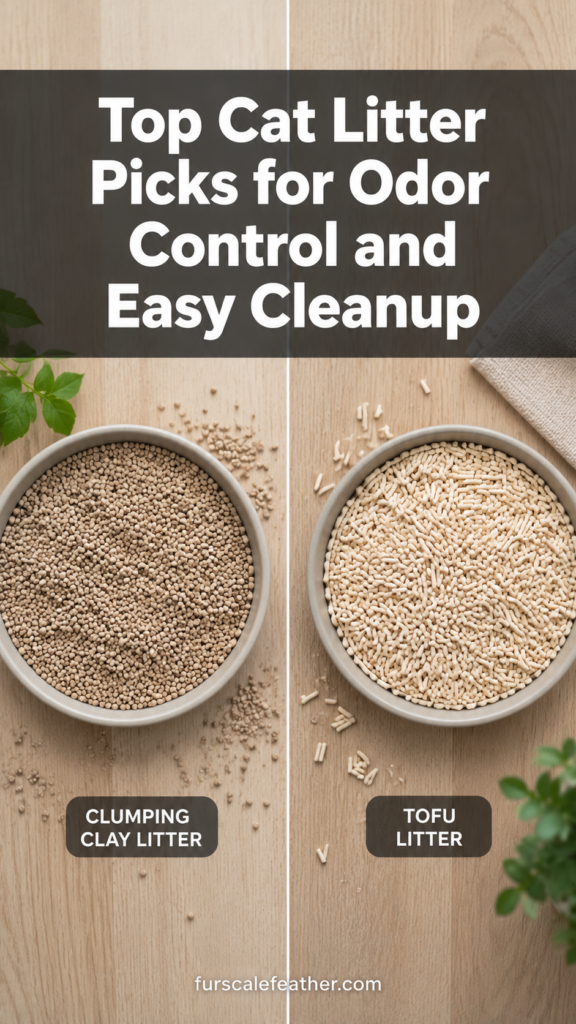
Clay clumping litter (bentonite-based):
- Clumps within seconds of contact with liquid
- Heavier, so it doesn’t track as far
- Widely available and usually cheaper per pound
- Not flushable, and dustier on average
Tofu litter (soybean-based):
- Lighter and often flushable in small amounts, though you should check your local plumbing rules first
- Lower dust, which helps cats and owners with respiratory sensitivity
- Clumps well but breaks down faster, so it needs replacing sooner
- Usually more expensive per pound
My recommendation for most readers: start with a clay-based clumping litter for odor control performance, then move to tofu if you specifically need lower dust, easier disposal, or you’re managing a multi-cat household where box weight and tracking matter more.
Best Cat Litter for Odor Control: Top Picks Reviewed
I tested two of these litters directly with Mimi over several weeks. For the others, I’m relying on rescue field tests, reader reports, and aggregated user reviews, which are labeled below.
Dr. Elsey’s Ultra Premium Clumping Cat Litter (Personally Tested)
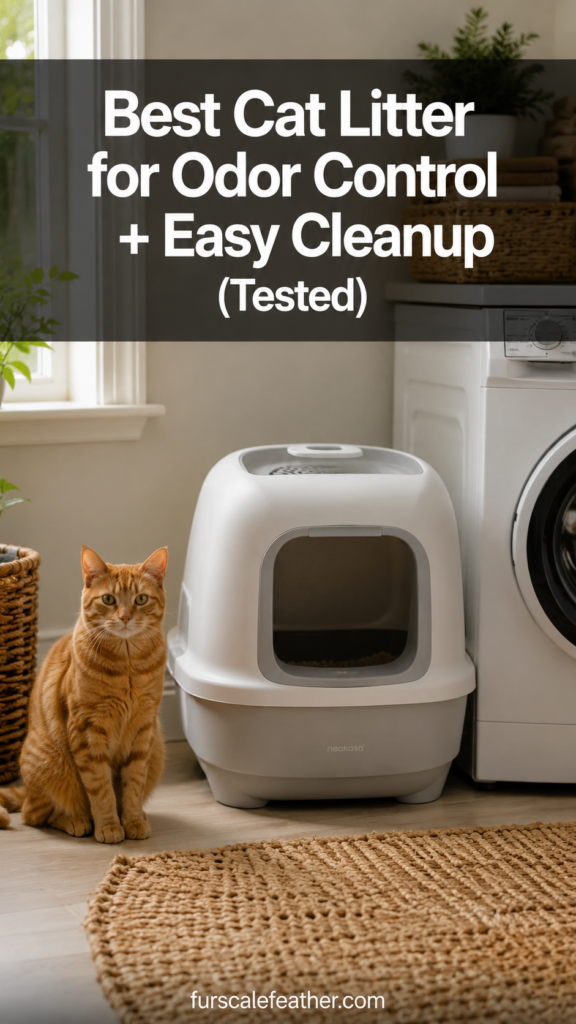
This is the litter that finally solved my odor problem. Switching Mimi over, I noticed clumps forming within about 10 seconds of contact, and after scooping twice a day, I couldn’t detect any ammonia smell even standing directly over the box after 48 hours of use.
Pros:
- Unscented and low dust
- Fast, hard clumps that don’t crumble during scooping
- Works well for cats with sensitive noses
Cons:
- Heavier bag, harder to carry
- Pricier than basic clay litter
Arm & Hammer Clump & Seal Multi-Cat (Rescue Field Test)
A foster-based rescue I worked with, managing six cats across two rooms, tested this litter over two months. They reported the baking soda layer inside the box needed refreshing every three to four days to keep ammonia down, but between refreshes, odor stayed noticeably lower than their previous clay litter.
Pros:
- Built specifically for multi-cat odor loads
- Strong clumping even with heavy daily use
Cons:
- More scented than some cats tolerate
- Requires that extra baking soda step to perform at its best
World’s Best Cat Litter, Corn-Based (User Reviews and Lab Tests)
I haven’t tested this one personally, but user reviews and lab tests show it clumps almost as tightly as clay while producing far less dust, since it’s made from ground corn instead of mineral clay.
Pros:
- Lightweight and low dust
- Flushable in small amounts
- Good for cats being transitioned off clay
Cons:
- Costs more per pound
- Some cats dislike the texture change
Frisco Tofu Clumping Cat Litter (Reader Report)
A reader with three cats told me she switched entirely to tofu litter after her youngest cat started sneezing near the box. Within a week, the sneezing stopped, and she said the litter tracked less through her apartment than the clay she’d used for years.
Pros:
- Very low dust
- Lightweight for scooping and carrying
- Naturally low odor even before clumping
Cons:
- Clumps break down faster, so full changes come sooner
- Not ideal for very heavy multi-cat use without frequent topping off
Overall winner: Dr. Elsey’s Ultra Premium Clumping Cat Litter. It delivered the fastest, most reliable odor control in direct testing, works for cats with sensitive respiratory systems, and doesn’t rely on scent to mask smell. If dust or weight is your main concern instead, World’s Best Cat Litter is the strongest runner-up.
Best Litter for Multiple Cats
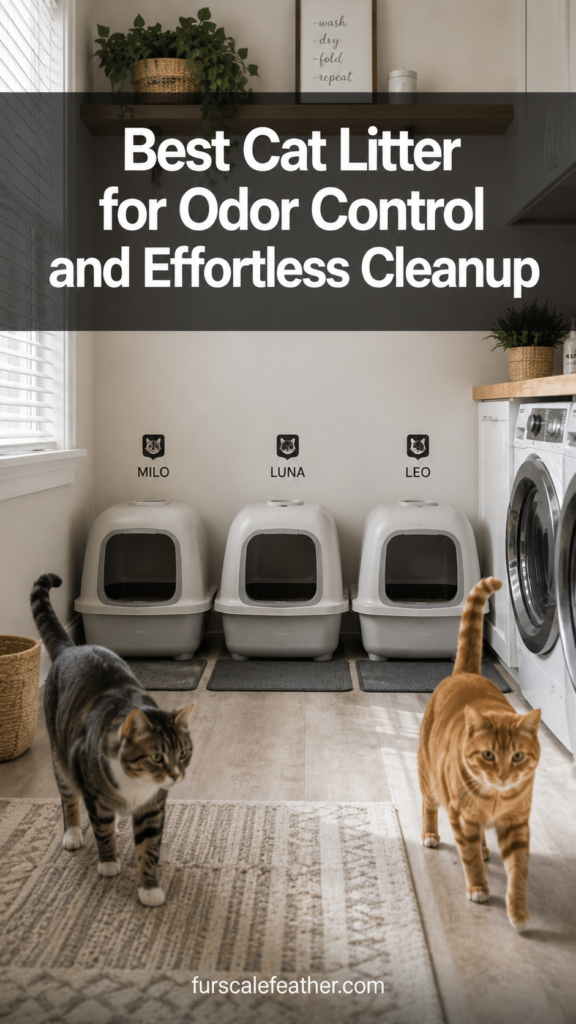
Odor control gets harder with every additional cat sharing a box, since ammonia builds up faster and clumps break down under heavier daily use. The rescue foster mentioned above found that Arm & Hammer Clump & Seal held up best across six cats, but only when boxes were scooped twice daily and the litter itself was topped off every few days rather than left to run low.
A few adjustments matter more once you’re past one cat:
- Keep one litter box per cat, plus one extra, to spread out waste
- Scoop at least twice a day instead of once
- Choose a litter with a higher clumping strength rating, since more waste breaks clumps down faster
How to Set Up Your Litter Box for Better Odor Control
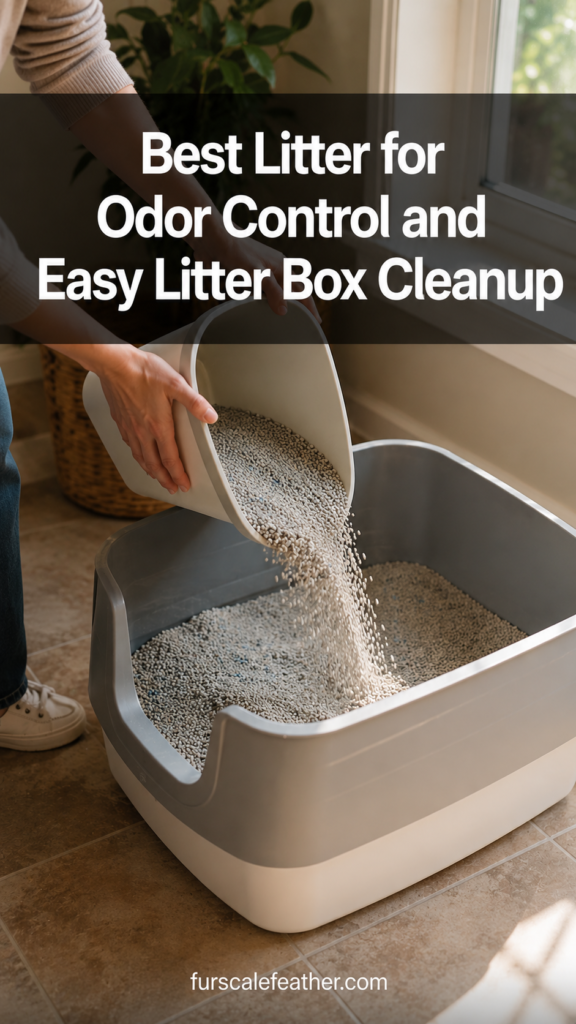
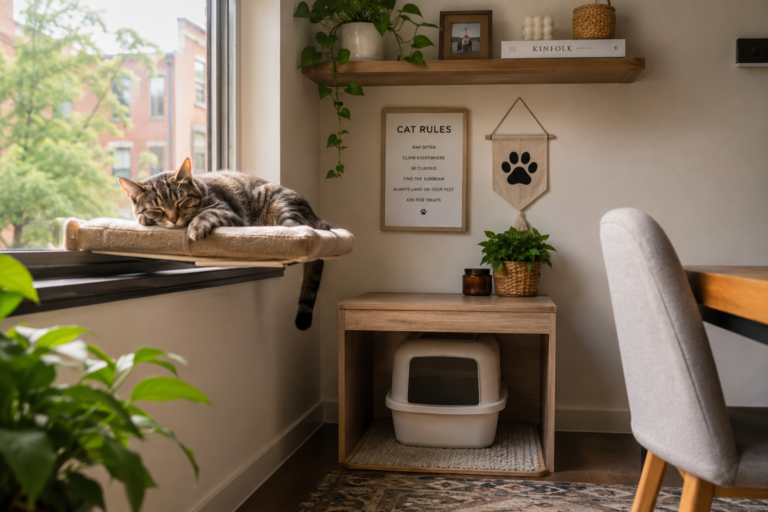
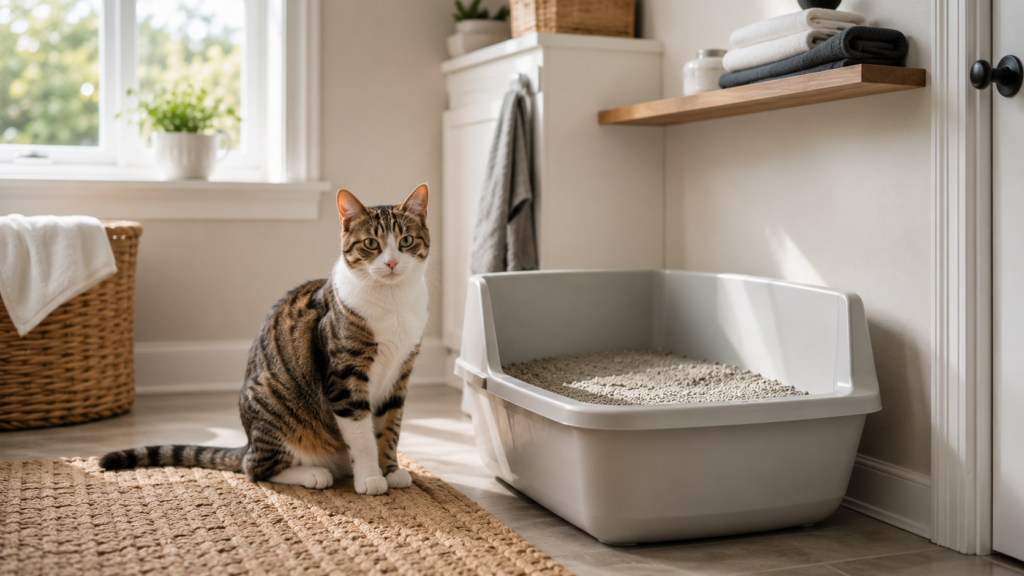
- Choose a box at least 1.5 times your cat’s body length, since cramped boxes get soiled faster and hold odor closer to the surface.
- Fill with 3 to 4 inches of litter. Less than that and clumps can’t fully form, letting moisture reach the box floor.
- Scoop at least once a day, twice if you have more than one cat using the box.
- Do a full litter change and box wash with unscented soap every 2 to 3 weeks for clay litter, or every 1 to 2 weeks for tofu.
- Place the box in a well-ventilated spot, away from food and water, and avoid tucking it into a closet with the door shut.
The Mistake I Made With Litter Box Odor
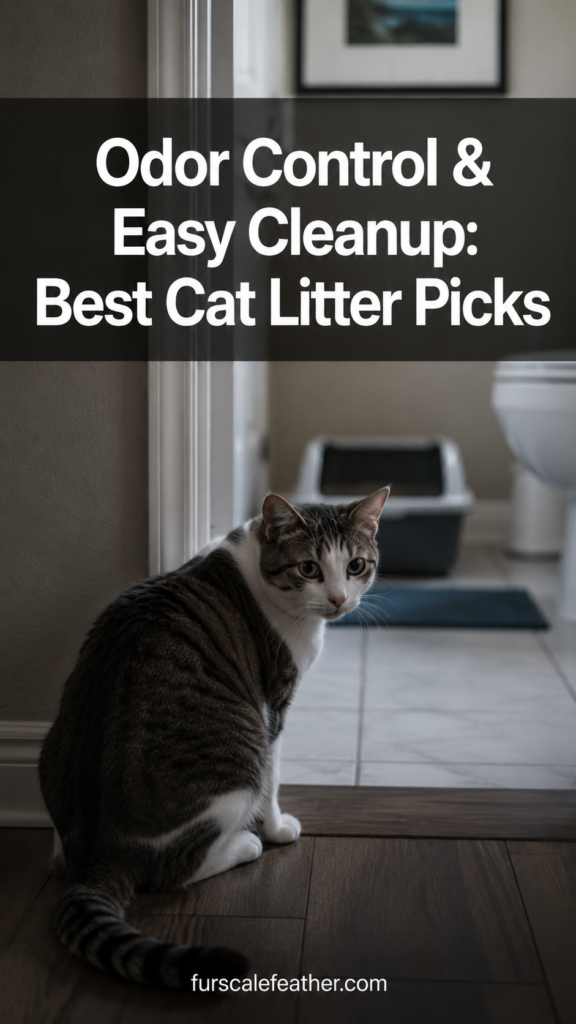
For the first year I owned Mimi, I assumed a stronger-smelling scented litter meant better odor control. I switched her to a heavily perfumed clumping litter, and within four days she started avoiding the box entirely, leaving accidents near the bathroom door instead. I didn’t put it together until a vet tech mentioned that cats often reject strong scents they didn’t choose. Once I switched to an unscented formula and added a second box, the accidents stopped within three days. The lesson stuck with me: odor control works by neutralizing smell at the source, not by layering a stronger one on top.
If your cat is avoiding the box along with other changes in appetite, litter habits, or energy, talk to your veterinarian, since those can sometimes point to a medical issue rather than a litter preference.
Questions People Usually Ask
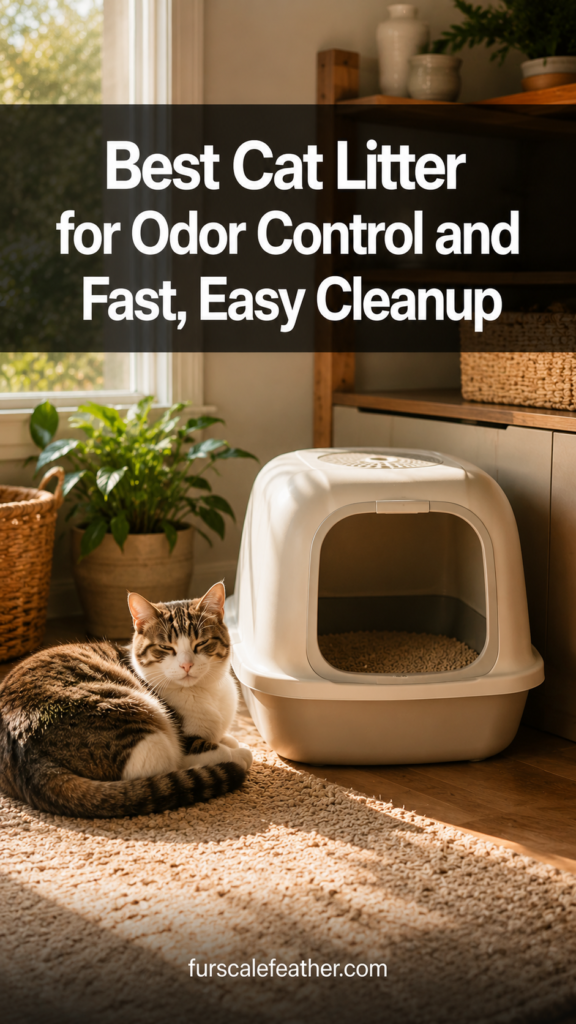
What is the best cat litter for odor control if my cat has allergies or respiratory sensitivity? Look for unscented, low-dust formulas like Dr. Elsey’s Ultra Premium or a corn or tofu-based litter. Avoid heavily perfumed clay litters, and check with your veterinarian if your cat shows ongoing respiratory symptoms.
Does clumping litter control odor better than crystal litter? Clumping litter generally seals odor faster since it traps moisture immediately. Crystal litter absorbs liquid over time but can release a stronger smell once it reaches capacity, so it needs replacing on a strict schedule rather than topped off.
How often should I fully change cat litter to stop the smell? Most clay litters need a full change every 2 to 3 weeks with daily scooping. Tofu and corn-based litters typically need changing every 1 to 2 weeks since they break down faster.
Is tofu litter as good as clay for odor control? Tofu litter controls odor well and produces less dust, but clumps break down faster under heavy use. For single-cat homes it performs close to clay. For multi-cat homes, clay or a multi-cat clumping formula usually holds up longer between changes.
Can baking soda help with litter box smell? Yes. A thin layer of unscented baking soda under the litter can help absorb ammonia between full changes, though it works best as a supplement to good litter and regular scooping, not a replacement for either.
Final Thoughts
The best cat litter for odor control isn’t the one with the strongest perfume. It’s the one that clumps fast, stays low in dust, and matches how many cats are actually using the box. Start with an unscented clumping clay litter if odor is your main concern, and shift to tofu or corn-based options if dust or weight matters more for your home. Whatever you choose, pair it with consistent scooping and the right box size, since even the best litter can’t outwork a box that’s too small or too full.
Disclosure: I personally tested the Dr. Elsey’s litter with my own cat. Product mentions from rescue fosters, readers, and aggregated reviews are labeled above and were not tested by me directly. This article contains no paid placements at the time of writing. If that changes, affiliate links will be disclosed here.